
CAA News Today
News from the Art and Academic Worlds
posted Jul 11, 2018
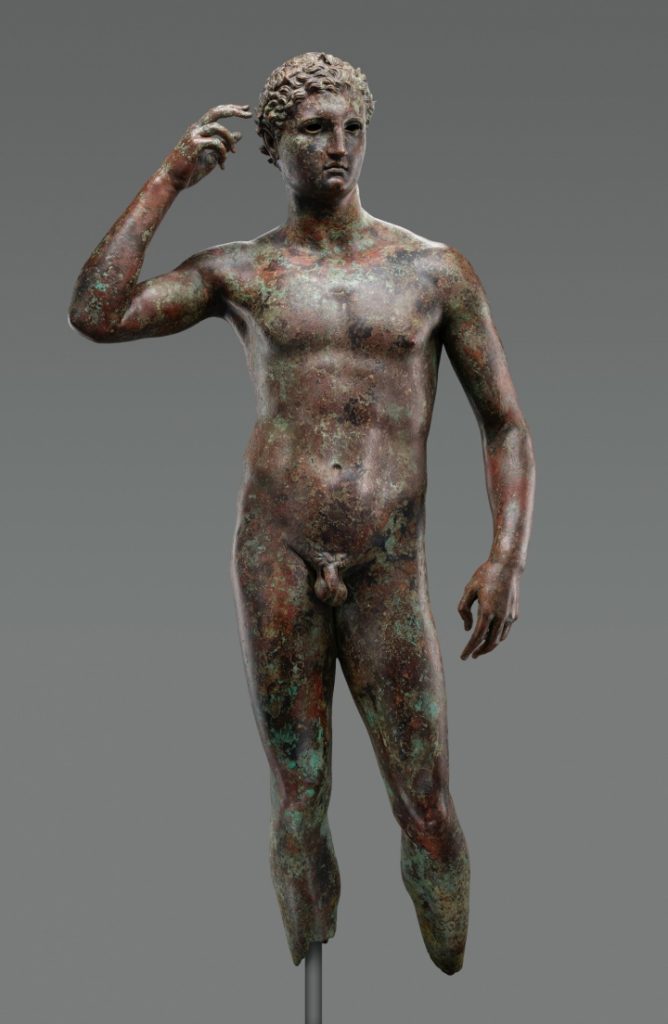
Unknown artist, Victorious Youth, 300–100 BC. Image via the Getty Open Content Program/Hyperallergic.
Trump Officials Reverse Obama’s Policy on Affirmative Action in Schools
The Trump administration said last week that it was abandoning Obama administration policies that called on universities to consider race as a factor in diversifying their campuses. (New York Times)
Should the Getty Return Its Famed “Victorious Youth” Statue?
The case demonstrates that the ownership of cultural objects found in international waters remains a murky area of law. (Hyperallergic)
Advice for Artists on How to Make a Living—When Selling Art Doesn’t Pay the Bills
Teaching: A boon or a trojan horse? (Artsy)
Adrian Piper’s Show at MoMA is the Largest Ever for a Living Artist. Why Hasn’t She Seen It?
The conceptual artist’s life and work push against the boundaries of race and identity in America. (New York Times)
Opinion: Why the Supreme Court Ruling on Unions Could Be Good for Adjuncts
Do unions need to shed their historic approach? (Chronicle of Higher Education)
Martha Rosler’s Powerful Collages Are a Wake-Up Call to America
Rosler was ahead of her time when she reconceived the printed matter distributed at marches and protests. (Artsy)
Explore SAH Archipedia, an Online Encyclopedia of American Architecture and Landscapes
posted Jul 09, 2018
Hosted by CAA-affiliated society Society of Architectural Historians (SAH), SAH Archipedia is an online encyclopedia of US architecture and landscapes that contains peer-reviewed essays, photos, and maps. Since its launch in 2012, SAH Archipedia has grown in scope and the full version now contains nearly 20,000 building histories covering all 50 US states.
Currently, entries for over 3,700 structures are available to the public through the site’s open access counterpart, SAH Archipedia Classic Buildings.
SAH recently announced that SAH Archipedia will be made open access in 2019. Help SAH in this effort by donating before August 31 to secure their NEH matching grant.
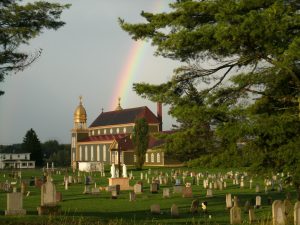
Musée Culturel du Mont-Carmel http://sah-archipedia.org/buildings/ME-01-003-0064 Photo Credit: Don Cyr
New in caa.reviews
posted Jul 06, 2018
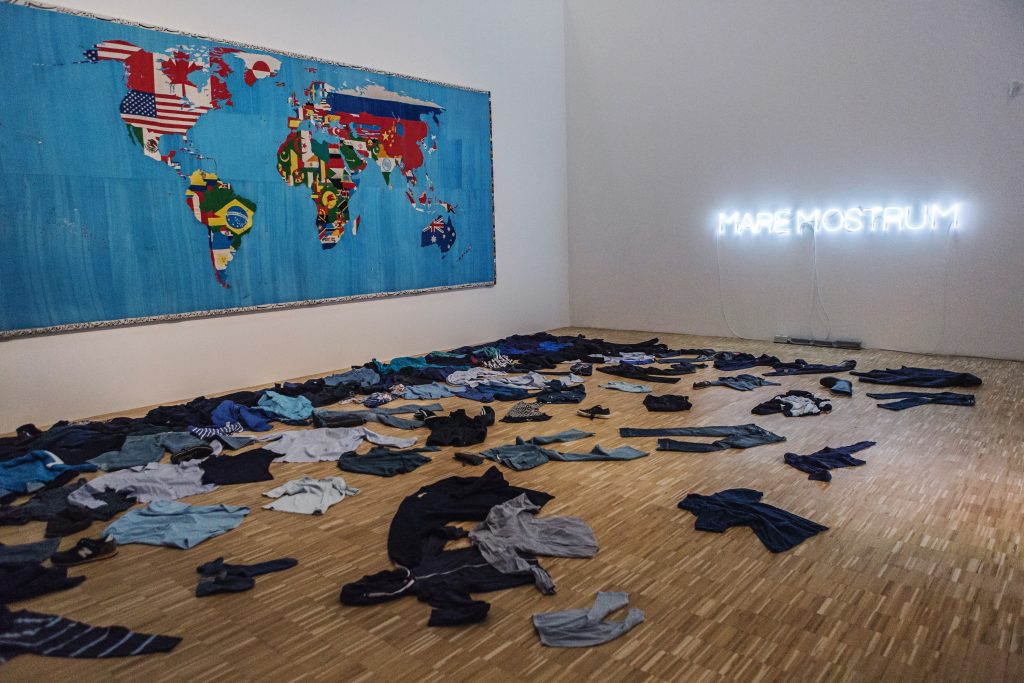
Cristina Morandi reviews The Restless Earth (La Terra Inquieta) edited by Massimiliano Gioni and Micola Brambilla. Read the full review at caa.reviews.
CWA Picks for July 2018
posted Jul 05, 2018
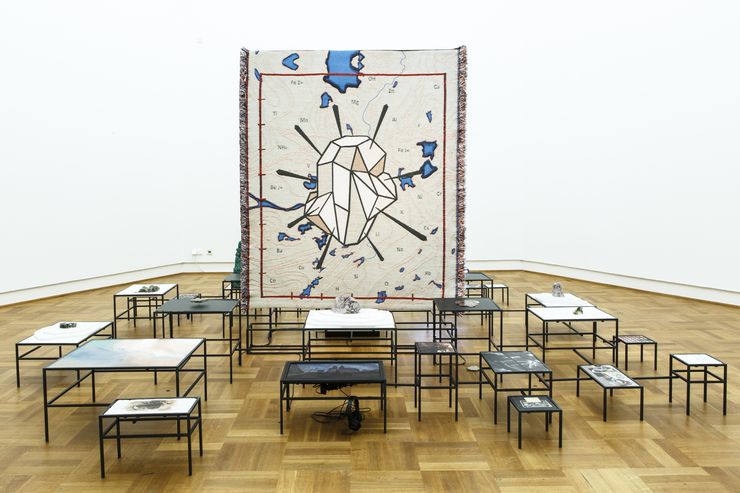
Otobong Nkanga, In Pursuit of Bling, 2014, on view at the Museum of Contemporary Art Chicago through September 2nd. Photo: Eva Broekema
CAA’s Committee on Women in the Arts selects the best in feminist art and scholarship to share with CAA members on a monthly basis. See the picks for July below.
Teresa Burga: Aleatory Structures
May 26—August 18, 2018
Migros Museum für Gegenwartskunst
Limmatstrasse 270
CH-8005 Zurich
Teresa Burga: Aleatory Structures, is the first retrospective in Switzerland of this arguably feminist Peruvian conceptualist –a central figure of the 1960s Peruvian avant-garde– whose recent rediscovery has gained her both international recognition and a second wind after a three-decade hiatus from art making. The exhibition brings together a large number of works that range from early paintings, modular sculptures and Pop environments to the drawings and multimedia, often cybernetic, installations which mark the complexity of her conceptualist practice, as well as its silent unfolding while working as a Customs employee when the dictatorship limited the exhibition possibilities of her vanguard proposals. In effect the show captures not only the diversity of her practice but of the ways in which it records and challenges the social realities and power structures of her changing times in Peru both as an artist and a woman.
Burga’s gendered concerns and depersonalized aesthetics coalesced through Pop experimentation with painting collages, objects and environments in a milieu of anti-modernist rebellion that breached the gap of Limanese art and life with ephemeral art environments and happenings. Indeed she positioned herself as a female Pop artist in 1967, devoting her solo exhibition at Cultura y Libertad Gallery to a critical representation of middle-class womanhood—both a testament as well as a feminist critique of the developmentalist euphoria of 1960s Peru. The situation of women in patriarchal society surfaces at another brief moment of hope in Peru, the return to democracy after General Alvarado’s military regime, through her collaboration with psychotherapist Marie-France Cathelat for the radical research-based work for the Perfil de la Mujer Peruana (Profile of the Peruvian Woman), 1980-1 that surveyed anonymously the living conditions of 129 middle-class women living Lima in their twenties about a wide assortment of issues structured along twelve “profiles” (physiological, psychological, social, educational, cultural, religious, professional, economic, etc). Between these two landmarks, Burga’s representation of women underwent transformations textured by the conceptualist turn of her work before and after her graduate studies at the School of the Art Institute of Chicago (1968-1970), as manifested by her now celebrated multimedia self-representation Autorretrato. Estructura. Informe. 9.6.72. (Self-Portrait, Structure, Report, 9.6.72), 1972 through which Burga combined her critique of subjectivity and systems of representation, making the body matter for a critical exposure and ground for escaping its biopolitical control.
Mona Hatoum: Terra Infirma
April 6—August 11, 2018
Pulitzer Arts Foundation
3716 Washington Boulevard
St. Louis, MO 63108
Originating from the Menil Foundation and bringing more than 30 major works from European and US collection, this is the first large-scale solo exhibition in the US in 20 years of the celebrated London-based Palestinian artist Mona Hatoum.
Merging the languages of Minimalism and Surrealism, through a feminist lens, while having experimented with a variety of media that range from performance to film, Hatoum is istinguished for a potent sculptural and installation vocabulary that–drawing often from everyday domestic objects and engendering conflicting emotions of fear/revulsion and attraction/fascination–critically investigates ideas of home and displacement, while engaging with conditions of timely global instability and political upheaval, as well as timeless human questions.
Nairy Baghramian: Breathing Spell
May 17—October 14, 2018
Reina Sofia, Palacio de Cristal
Paseo República de Cuba,
Madrid, Spain
Large forms remeniscent of prosthetics and cartilagenous body parts lie scattered inside Madrid’s Crystal Palace, a 19th century iron and glass paean to industrialized progress. Made by Nary Baghramian, these sculptures complement the rigid organicism and transparency of their architectural setting. Trussed to columns and hugging the walls, Baghramian’s installation emphasizes contingency—the body supported, and molded by its surrounds. Born in Isfahan, Iran, the artist’s work has, in the past, focused on “the political implications of interior design,” pointing out that both women and gay men were made to culturally demur from the realm of architecture proper in favor of design and the domestic sphere. Semi-transparent tubular structures abound here—some quietly take up residence by the curving walls like banquettes of seating, and others crawl over the top of the Palacio de Cristal’s roof, like skeletal grubs.
Kim Zumpfe: outside the length of a room | or | dividing into the blue sun
May 5—September 9, 2018
Grand Central Art Center
125 N. Broadway
Santa Ana, CA
In the heart of Santa Ana’s arts district, Kim Zumpfe has created a bifurcated space evoking both shelter and disaster site. Upstairs the vision is bleak—a couch, stripped of all its plush, offers the only seating; photographs of discarded fruits are pinned to stacks of plywood, and a video monitor plays a loop of a seemingly bucolic lake view. Below, bedrolls made of fabric featuring rejected objects designed for prisons are spread about—small monitors play a blue, slow-motion video of what appears to be the sun’s surface. A tea kettle and a stash of bottled water serves as a welcome convivial gesture in this tunnel-like space. Recently Zumpfe enacted a performance, reminiscent of the anarchitectural gestures of Gordon Matta-Clark, in which she “drew” a linoleum bisecting the space vertically. Using a yellow crowbar to make her marks in plywood, drywall, plaster, and linoleum—this seemingly simple task proved herculean. The remaining marks from this performance remind us that space can be transformed, but only with great effort.
Penny Siopis: This is a True Story, Six Films (1997-2017)
February 14—July 15, 2018
Zeitz Museum of Contemporary Art Africa
Silo District, S. Arm Road
Cape Town, South Africa
Best known for her “cake” and history paintings of the 1980s and 1990s, over the past twenty years Penny Siopis has also made films. Strung together from many bits of found footage, My Lovely Day, 1997, Obscure White Messenger, 2010 and The Master is Drowning, 2012, emphasize how cultural and political realities (such as apartheid in South Africa), shape personal narratives. Siopis subtitles her videos with the voices of a variety of characters; whether these people are real or imagined, it might not matter much, for each has a complicated relationship with their context. This exhibition, at the newly built Zeitz Museum of Contemporary Art Africa, provides the first opportunity to view the artist’s video output at once.
Otobong Nkanga: To Dig a Hole That Collapses Again
March 31—September 2, 2018
Museum of Contemporary Art
220 E. Chicago Ave.
Chicago, IL
Interrogating how a raw material or natural resource is made into a product, for example soap or makeup, is at the heart of Otobong Nkanga’s artistic efforts. In her work, which is by turns sculptural, performative, olfactory, and wall-based, Nkanga opens out the histories of manufacture and production (and thus the extended legacies of colonialism and imperialism) so that we might determine the human and environmental costs of such processes. The body is the primary metaphor through which invasive incursion and extraction are imagined in this collection of wide-ranging works. In large-scale tapestries like Infinite Yield, 2015, glittery minerals cover the breast, face, and genitals of an androgynous, brown figure, who stands in the midst of a draining funnel. In the center of this exhibition, black soap is stacked in circular constructions—it is manufactured by the Carved to Flow Foundation (which Nkanga founded) in Akwa Ibom, Nigeria. Performers on hand describe the process of the soap’s creation, thereby amplifying the themes running throughout the show. Available for purchase in the exhibition, the circuits of capitalism serve to support the artist’s social practice.
News from the Art and Academic Worlds
posted Jul 04, 2018
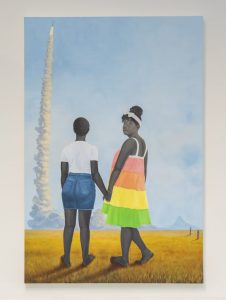
Amy Sherald’s Planes, rockets, and the spaces in between, 2018, was recently acquired by the Baltimore Museum of Art. Courtesy BMA via artnet News.
The Baltimore Museum Sold Art to Acquire Work by Underrepresented Artists. Here’s What It Bought—and Why It’s Only the Beginning
The museum sold works by Warhol and other white male artists to fund major acquisitions by Jack Whitten, Isaac Julien, and Amy Sherald. (artnet News)
Why Do Colleges Have So Much Art?
Campus museums are home to prodigious exhibits and installations that blur the line between academics and civics. (The Atlantic)
People Across the Globe Want Their Cultural Heritage Back. Canada May Offer a Blueprint for How to Get There
A proposed law could help Indigenous communities reclaim cultural heritage objects at home and abroad. (artnet News)
Colleges Grapple With Where — or Whether — to Draw the Line on Free Speech
Higher education is struggling to balance the demand by some students to be protected from offensive speech while guaranteeing freedom of speech to others. (New York Times)
Sir Anish Kapoor’s Clenched Fist of Copyright, the Battle Over Fair Use, and the NRA
Does an artist have the right to withhold their work when they don’t agree with the political message? (Hyperallergic)
How to Run a Conference Panel That Isn’t Horrible
Brass tacks pointers for making your next panel discussion a success. (LinkedIn)
What Should I Do with My PhD?
posted Jul 03, 2018
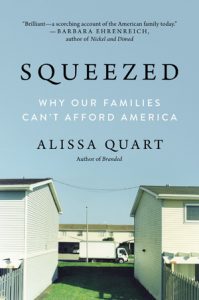 In her new book, Squeezed: Why Our Families Can’t Afford America, author Alissa Quart states what many of us know: People are being squeezed from the middle class at a far greater pace.
Specifically, Quart writes:
“The many other middle-class families running furiously and breathlessly just to find themselves staying in place are a large and varied coterie. It includes highly educated workers like lawyers, professors, teachers and pharmacists, professionals who never expected to be in this situation – often feeling cast aside by a system that seems stacked against them. Their prospects for the future, given the rise of robots and automation within their professions, are likely to dim even further.”
This is a situation that has vexed many CAA members, whether they are recent graduates or those who have seen their livelihoods derailed through the elimination of tenured teaching positions or departmental reorganization.
Faced with a reduction in the number of faculty positions over the last decade, we’ve heard many job suggestions for artists or those with a PhD. Some have suggested teaching abroad, non-profit, foundation or governmental work. There are also opportunities in publishing, museums, literary agencies, libraries, special collections or archives.
We want to hear from you. Have you seen others in the field find fulfilling work in areas outside of academia? What job-hunting suggestions do you have for those with advanced education outside of the typical areas?
Post your comments on the Google document below.
Related: Where Historians Work: An Interactive Database of History PhD Career Outcomes
“Warriors and Volunteers: A Review of George W. Bush, Portraits of Courage” on Art Journal Open
posted Jul 02, 2018
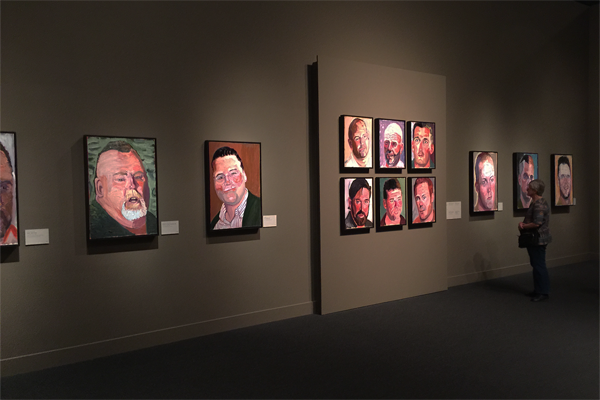
Installation images by Melissa Warak of Portraits of Courage: A Commander in Chief’s Tribute to America’s Warriors.
A new essay by Melissa Warak, “Warriors and Volunteers: A Review of George W. Bush, Portraits of Courage,” looks carefully and critically at a 2017 exhibition of paintings by former US president George W. Bush.
Warak, an art historian with close ties to veterans and active military, approaches Bush’s artistic production both technically and art-historically, but also personally and politically. Through Bush’s rendering of both visible and invisible wounds veterans sustained in the Iraq War, writes Warak, the exhibition “aims to humanize the war and highlight the president’s connection to the wounded.” Read more on Art Journal Open.
New in caa.reviews
posted Jun 29, 2018
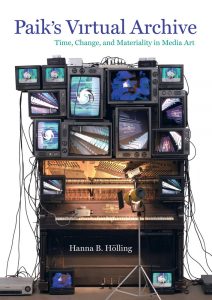
Andrea Gyorody reviews Paik’s Virtual Archive: Time, Change, and Materiality in Media Art by Hanna B. Hölling. Read the full review at caa.reviews.
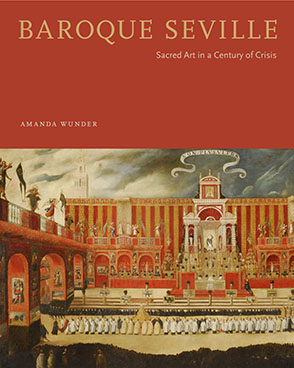
Lisandra Estevez reviews Baroque Seville: Sacred Art in a Century of Crisis by Amanda Wunder. Read the full review at caa.reviews.
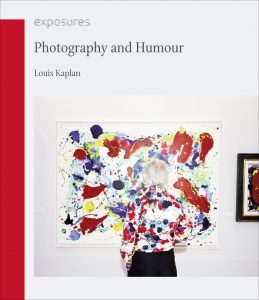
Sabine T. Kriebel reviews Photography and Humour by Louis Kaplan. Read the full review at caa.reviews.
News from the Art and Academic Worlds
posted Jun 27, 2018
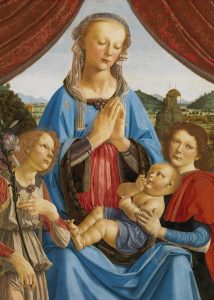
Andrea del Verrocchio and Leonardo da Vinci, The Virgin and Child with Two Angels, c. 1468–70. Courtesy National Gallery, London, via Apollo Magazine.
‘Mounting an Exhibition about Leonardo Da Vinci Is an Act of Hubris’
Chief curator Laurence Kanter reflects on Yale University Art Gallery’s upcoming exhibition. (Apollo Magazine)
The Histories of Ten Colors Through Multiple Lenses
A new book considers color across multiple disciplines, including film and literature. (Hyperallergic)
20 Curators Taking a Cutting-Edge Approach to Art History
Artsy shares their top twenty curators who are working through a 21st-century lens. (Artsy)
How to Spot a Perfect Fake: The World’s Top Art Forgery Detective
Forgeries have got so good that Sotheby’s has brought in its own in-house expert. (The Guardian)
Backpack-Sized Archiving Kit Empowers Community Historians to Record Local Narratives
A new project from the University of North Carolina at Chapel Hill equips community partners with tools to start material and oral history archives. (Hyperallergic)
‘There Is So Much You Go Through Just Trying to Make It’: Amy Sherald on How She Went From Obscurity to a Museum Survey (and the White House)
The 44-year-old artist reflects on her breakout year, and the years of hard work leading up to it. (artnet News)
CAA Statement on Supreme Court Decision to Uphold Travel Ban
posted Jun 26, 2018
In light of today’s Supreme Court ruling upholding President Trump’s travel ban, we are reposting our Statement from February 2017 here in its entirety. Our values have not changed.
As we stated when we joined two amicus briefs in May 2017, speaking out against this decision is inherent to our advocacy efforts and our international reach at CAA. The travel ban impacts the international attendees of our Annual Conference, it impinges on the flow of information and discussion between colleagues, and it harms the practice of research more broadly. See the statement below.
CAA Statement on Immigration Ban, February 2017
CAA, the largest professional group for artists and art historians in the United States, strongly condemns and expresses its grave concern about the recent presidential executive order aimed at limiting the movement of members of CAA and the broader community of arts professionals who fall under the selective set of criteria for national status or ethnic affiliation.
CAA has counted international scholars and artists among its members for many years. Committed to the common purpose of understanding the visual arts in all its forms, professionals throughout the world have enriched CAA’s community by adding diverse perspectives to the study, making, and teaching of art. With funding in recent years from the Getty Foundation to support travel and programs for scholars and curators from Africa, Latin America, Russia and Eastern Europe, and Asia, the association now includes members from seventy countries. More than ten percent of our individual members are international. CAA has counted international scholars and artists among its members since the earliest years of its existence. The roots of CAA’s present-day international program stemmed from a desire to assist European refugees in the 1930s to support personal safety as well as academic and artistic freedom. During that decade, CAA had a “foreign membership” category; as art historians fled Hitler’s Europe, CAA ran a lecture bureau for refugee scholars that created speaking engagements for them at institutions throughout the United States.
The recently announced ban on travel to the United States for residents of seven predominantly Muslim countries not only goes against the inclusive, secular underpinnings of American democracy, it stifles the open access to scholarship and art upon which our work is founded. The executive order goes against our professional and scholarly commitment to diversity, the global exchange of ideas, and the respect for difference. The contribution of immigrants, foreign nationals, and people of all cultural backgrounds greatly strengthens our intellectual and creative world. Further, we believe the executive order law challenges the values at the heart of the US Constitution’s protections on speech and association as well as our national commitment to democratic process for all.
Turning our backs on refugees and closing our borders selectively stifles creative and intellectual work in addition to its very real impact on peoples’ daily lives. We call on our public officials to thwart this attempt to seemingly preserve our own safety at the expense of those who are vulnerable and who also contribute so much.
Without question, CAA welcomes all members and non-members to our upcoming Annual Conference to discuss and debate what constitutes a thriving artistic and intellectual society. Such openness is essential to our mission. We are committed through dialogue and action to help any CAA members who are affected by this policy. To this end, the association and the Board of Directors will continue to monitor and respond to policies related to this order as well as pressure for its immediate repeal.
See the original statement posted February 2017.
See CAA Amicus Brief on Trump’s Travel Ban, May 2017.
For more on CAA’s advocacy efforts, click here.