CAA News Today
2018 Professional Development Fellowships for Graduate Students Now Open
posted Aug 01, 2018
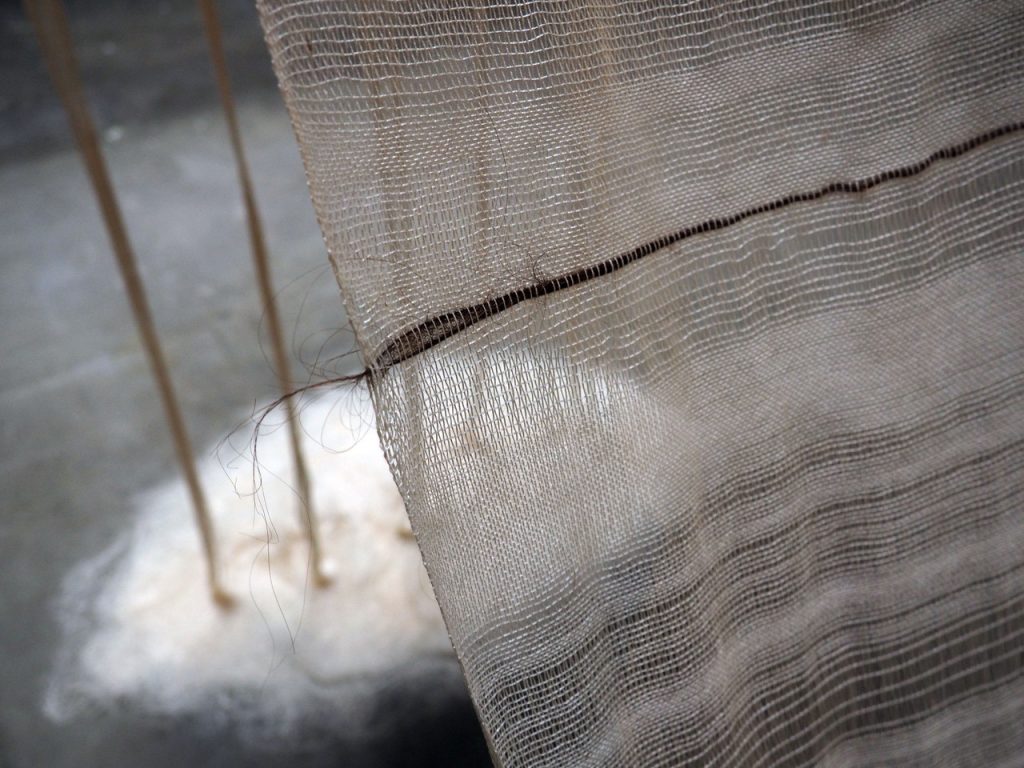
Brenna K. Murphy, Grief Work (Shroud). Detail. Cotton yarn and artist’s hair, 100 ft x 40 in. 2017 Professional Development Fellow in Visual Art.
The Professional Development Fellowships program supports promising artists, designers, craftspersons, historians, curators, and critics who are enrolled in MFA, PhD, and other terminal degree programs. Fellows are honored with $10,000 unrestricted grants to help them with various aspects of their work.
One award will be presented to a practitioner—an artist, designer, and/or craftsperson—and one award will be presented to an art, architecture, and/or design historian, curator, or critic. Fellows also receive a free, one-year CAA membership and complimentary registration to the Annual Conference. Honorable mentions, given at the discretion of the jury, also earn a free one-year CAA membership and complimentary conference registration.
CAA initiated its fellowship program in 1993 to help student artists and art historians bridge the gap between their graduate studies and professional careers. Past recipients include artists and thinkers such as Marin Sarve-Tarr (2015), Maggie Cao (2014), La Toya Ruby Frasier (2006), Risë Wilson (2002), Chitra Ganesh (2001), Miguel Luciano (2000), Miwon Kwon (1996), and Blake Stimson (1995), among many others.
ARE YOU ELIGIBLE?
CAA seeks applications from students who are current members; will receive their MFA or PhD degree in the calendar year 2019, following the year of application (2018 for the current fellowship cycle); and have outstanding capabilities and demonstrate distinction in their contribution to art history and the visual arts.
A jury of artists, curators, and other professionals will review all applications in fall 2018 and announce the recipients in January 2019.
HOW TO APPLY
DEADLINES
PhD Fellowship: October 1, 2018
MFA Fellowship: November 16, 2018
CONTACT
For more information about the CAA fellowship program, please contact Aakash Suchak, grants and special programs manager, at asuchak@collegeart.org.
News from the Art and Academic Worlds
posted Aug 01, 2018
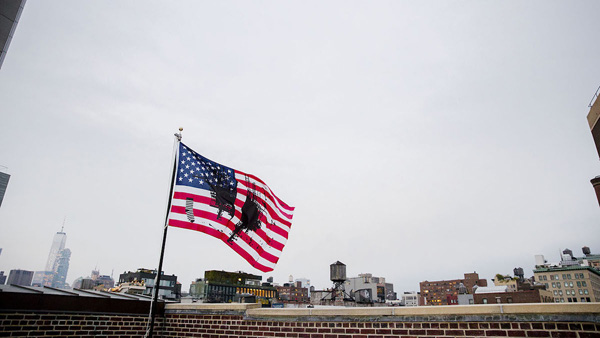
Josephine Meckseper, Untitled (Flag 2), 2017. Photo by Guillaume Ziccarelli. Courtesy of Creative Time via Artsy.
The Rise of Artistic Censorship on College Campuses Should Worry the American Public
Sarah McLaughlin from Foundation for Individual Rights in Education (FIRE) writes on the recent controversy surrounding artist Josephine Meckseper’s artwork at University of Kansas, and the trend of censorship on college campuses at large. (Artsy)
‘The Reaction Has Been Overwhelming’: Susan Unterberg Comes Forward as a Major Anonymous Patron of Female Artists
Since 1996 the Anonymous Was a Woman award has provided $5.5 million in grants to female artists aged over 40. (artnet News)
Archiving While Black
“In more than one instance, I have looked up from my research to see paintings of white men famous for committing heinous acts against indigenous communities, or racist artifacts displayed proudly as if devoid of the context in which they were produced.” (Chronicle of Higher Ed)
Debt-Ridden Students Claim For-Profit Art Institutes Defrauded Them With Predatory Lending Practices
As the Art Institutes closes 18 campuses, students claim to have been defrauded by high tuition costs, interest rates, and few career prospects. (artnet News)
In Rihanna Photoshoot for Vogue Paris, Juergen Teller Cribs Imagery from Mickalene Thomas
The two artists are both represented by Lehmann Maupin and listed side-by-side on the gallery’s website. (Hyperallergic)
Visiting the Museum: Learning Resources
Helpful tools to help students think more critically about art museums and their relation to the study and practice of art history. (Art History Teaching Resources)
New in caa.reviews
posted Jul 27, 2018
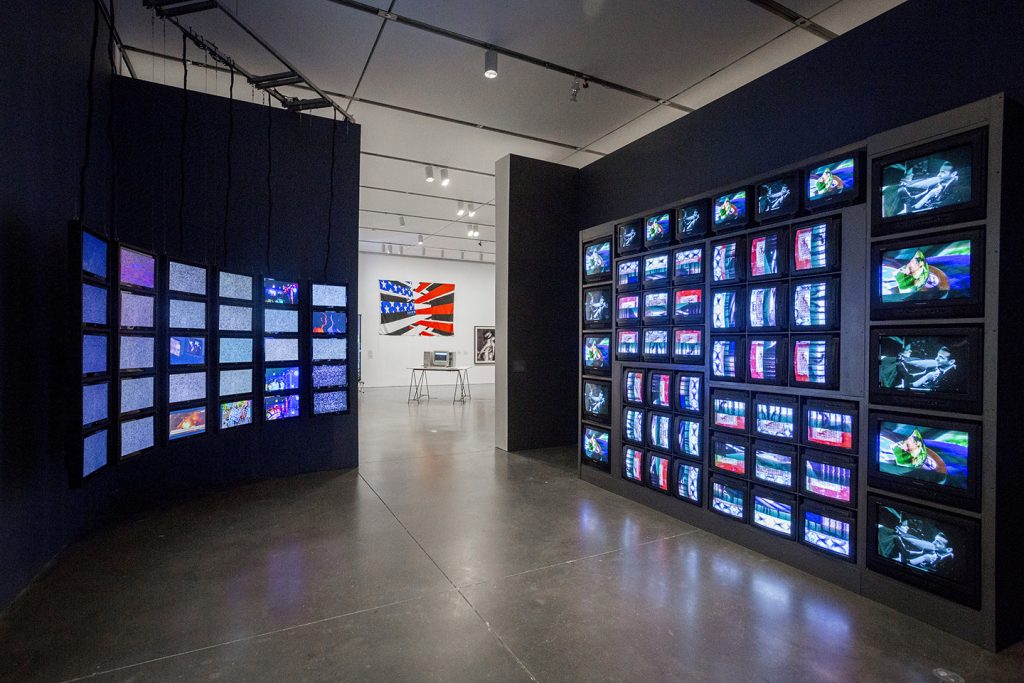
Mark Erdmann writes about Kyoto Visual Culture in the Early Edo and Meiji Periods: The Arts of Reinvention edited by Morgan Pitelka and Alice Y. Tseng. Read the full review at caa.reviews.
Valeria Federici reviews Art in the Age of the Internet, 1989 to Today edited by Eva Respini. Read the full review at caa.reviews.
News from the Art and Academic Worlds
posted Jul 25, 2018
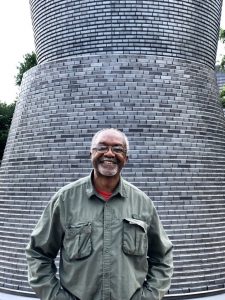
Kerry James Marshall with A Monumental Journey. Photo courtesy of the Greater Des Moines Public Art Foundation, via artnet News.
The House Overwhelmingly Rejects a Republican Proposal to Slash Funding for the NEA and NEH
A last-minute amendment to cut each agency’s funding by 15% was soundly defeated last week. (artnet News)
Why Are Some Colleges and Universities Dropping the SAT/ACT?
The University of Chicago announced that it will no longer require SAT or ACT scores from its undergraduate applicants, beginning in 2023. (MLA Action Network)
It Was a Monumental Journey’: Kerry James Marshall Unveils a Memorial to the Country’s Groundbreaking Black Lawyers
The monument in Des Moines, Iowa, took 12 years to bring to fruition. (artnet News)
Chicano Artists Challenge How We Remember the Alamo
The Other Side of the Alamo: Art Against the Myth is on view through October at the Guadalupe Cultural Arts Center in San Antonio. (Artsy)
MoMA’s Union Employees Have Been Working Without a Contract for Nearly Two Months—and Negotiations Have Stalled
Union members are concerned about wage increases, medical costs, job security, and the increasing demands of executing the museum’s expansion. (artnet News)
How to Make Time for Research and Writing
Twelve scholars share their tips for getting it done. (Chronicle of Higher Education)
CAA Member Spotlight: Ryan Seslow
posted Jul 20, 2018
Welcome to our revitalized Member News! In this ongoing series we’ll be spotlighting CAA members and learning about their work, inspirations, and thoughts on the field.
Are you interested in being featured in Member News? Let us know at: caanews@collegeart.org
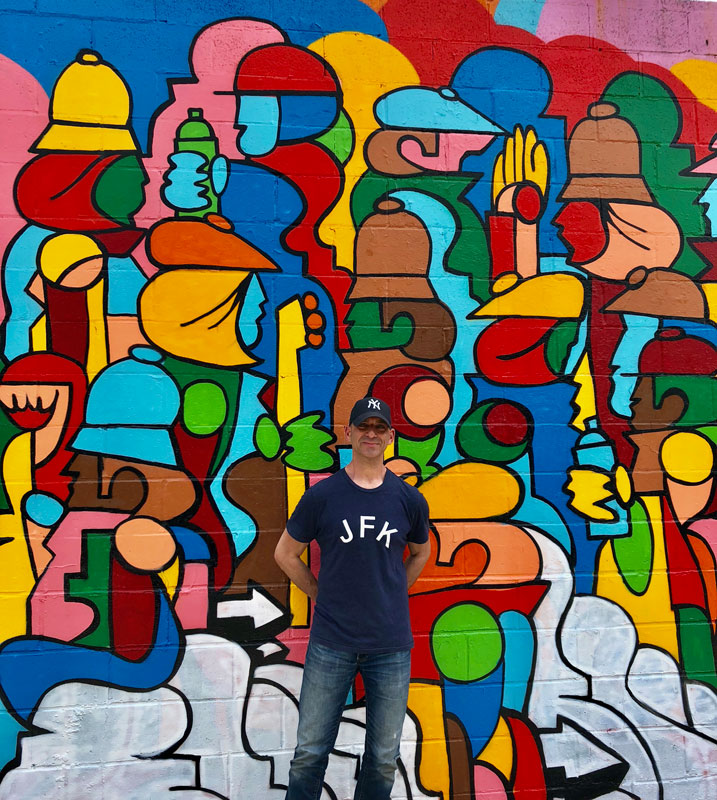
Ryan Seslow with his new mural at the Welling Court Mural Project in Astoria, NY, June 2018. All images and artwork courtesy Ryan Seslow.
CAA member Ryan Seslow is an artist, graphic designer, web designer, illustrator, and a professor of art and design living and working in New York. As a visual artist he works with a synthesis of applied arts, new media, digital and internet art, and as a professor of art and design he’s been teaching various hybrid studio art, digital art, graphic design, digital storytelling, communication technology, and web design courses for graduate and undergraduate level programs between CUNY York College, CUNY BMCC, LIU Post, and Iona College since 2004.
CAA media and content manager Joelle Te Paske corresponded recently with Ryan via email to learn more about what he’s thinking about and working on.
Joelle Te Paske: Thanks so much for taking the time to chat with me. So first things first – where are you from?
Ryan Seslow: I’m from New York, born and raised. My family migrated from Manhattan to Brooklyn and Queens, then to Long Island. My family owned a business and lived in Williamsburg for many years, then moved to Canarsie. I spent most of my childhood there and then worked for the family business for many years before college and grad school.
JTP: You’re an artist, a designer, and a professor. What drew you to the work you do?
RS: I have always been an artist. I knew it by the time I was 3 years of age because I loved to draw. I could do it for hours all by myself. By the time I was 5 years of age I was making friends in school by drawing cartoon portraits of them, it made everyone laugh. I’m also Deaf and hard of hearing, so having a visual language was the overcompensation for not hearing. I loved to learn but it was at first out of visual necessity. This became an unconventional practice and the discovery of the interconnections of all things creative. This is the short answer of course, but I have always believed in the creative human potential and how we have a responsibility to express and share it.
 JTP: When did you first become a CAA member?
RS: CAA was always mentioned and shared by colleagues. I started teaching in 2002 as a graduate assistant in my MFA program so CAA was the go-to resource for finding information on jobs and what teaching artists were doing in the field both after their MFA studies and professionally. I joined in 2002 as a graduate student and then became a member on and off over many years now. I’m guilty of letting memberships lapse in-between but CAA has always been there to welcome me back!
I always wanted to know what other people like myself in the field were doing, how they were doing it, and why? I like to watch things from afar for a while, to understand them and experience them in my own way. This is my learning process. This always leads to ideas on how I can contribute to a larger whole. Sometimes its strangely immediate but it’s usually over time.
JTP: Have you attended CAA conferences?
RS: I haven’t, shame on me! Although I do follow the event, especially since so much of it is accessible online. Many of my teaching colleagues have attended and given presentations over the years in the various cities it takes place. I have always had the vicarious experience of hearing their stories and reading the reflection blog posts. Social media certainly helps this even more now. Perhaps 2019 is my year! Perhaps its time to create a presentation to share my last 14 1/2 years of teaching art and design at the college level from the perspective of a Deaf and Hard of Hearing professor.
JTP: What do you appreciate about being a CAA member? Where would you like to see CAA improve?
RS: I appreciate CAA’s website and the resources that are available there. I appreciate the art journals and other publications, plus the updates that CAA is currently making. I feel that I can reach out to you guys and know that I will get a response, support, and guidance. That’s huge, and I am very grateful for that.
CAA can easily expand upon their presence by collaborating with members in various capacities. I would love to curate an online exhibition on CAA’s website of art history remix GIFs. Or a “pass the buck” internet art collaboration that allows members to contribute and participate and also incorporate their students into the project. Transparency and equality, let’s emphasize this more through community. Art education and the college art education platform is in tremendous flux right now. CAA is in a great position to be a bridge between the institutions, teaching artists and professors, students and the communities they serve, and beyond.
JTP: What’s exciting to you right now in academia?
RS: What excites me most in academia right now is the students, first and foremost and always the students. I love my students and I love re-emphasizing why I am a teaching artist at the college level. I’m there to help create a learning platform both inside and outside of the classroom—instilling skill sets that can be learned, displayed, and applied into the non-static world (meaning NOW, not just when they graduate). This includes public collaborative projects between my campuses and regular use of websites and the internet for dialogue, exhibition, and posterity. The internet and mobile applications make it easy to constantly be an example and share use-value-based content.
I’m excited to see how teaching artists are stepping up to the challenges of a changing academic world. Less and less full-time positions are being created and less people are majoring in various art and design programs. How does this effect both full-time professors and adjuncts? What will this lead to? I’m noticing things—many more integrated and experimental special topics courses are being created to test for interest and collaboration. Companies are partnering with colleges and universities to see “how” they can work together. Good or bad, we shall see, but either way it is a continued time of learning and taking responsibility for solving problems. This forces us to make assessments about how to respond. It is our responsibility to be of service regardless of what gets cut.
JTP: What’s not so exciting in academia?
What is not so exciting, well—the chronic complaining about how things used to be in academia. People need to move on. Chronically complaining about the past and what once was is a waste of energy. The past is the past, nothing is ever static, everything changes—art, artists, art movements, art departments and higher learning institutions. We are always in a state of change and we need to remind each other of this. It is so much easier to operate from the past because it is familiar, but we don’t grow that way.
We need to put more emphasis on the imagination and create potential to generate new solutions. We are always in a position to seek and create new solutions through collaboration and community building. This can also be created outside a single institution. Why not form new relationships and collaboratively solve problems with institutions in other countries, for instance? There is much to learn from contrast. Whether it be social, political, environmental, emotional, or psychological. We need to include and consider others in everything we do.
JTP: I love that you mention the importance of empathy and compassion for the future of education on your website. Can you speak more about that?
RS: I would be happy to! As I mentioned above, what excites me the most about teaching in higher education (and being a teaching artist in general) is the students. I love people. I’m interested in the psychology of learning and how that simulates itself through art, creativity, and design in a group practice.
Before any new class begins I have the highest level of respect that each student is first and foremost a beautiful human being. Professors are not better or higher than their students. We were all undergraduate students at one point. When I was in undergraduate college, I struggled as a Deaf and Hard of Hearing person attending an all-hearing university. I was afraid to ask my professors to speak louder or more slowly or clearly. Sadly, many of them were standoffish and strict with outdated rules from the 1940s (I was in college in the early 1990s). There was a lack of approachability and human rapport that I later used as the contrast—that was who I would never be. Of course, this was not all of my professors, but there were quite a few.
I set the entire tone and rapport of the 15-week semesters in the first class by meeting my students and learning about each other. The classes are not about me. Before I say one word about the course content and subject, the class meets each other as human beings, they share snippets of their lives, interests, and why they are taking the course. We talk about life, creativity, the imagination’s potential, and how to create a classroom dynamic where we are all collaborators of a whole. This has never once failed and continues to help me learn so much about myself, and the infinite number of ways that others see and experience the world.
In order to be effective teachers we must become masters of communication. This means we must master the art of listening. It’s not simply “hearing” what someone is saying, but learning how to be attuned and aware that listening goes far beyond the functions of the ears. It means being fully present with out the distractions of one’s ego making judgments and counteracting what is being said by the person speaking or communicating. As a Deaf and Hard of Hearing person working mainly in hearing persons environments it has been a very long road for me to learn how to communicate in various ways. The hearing world can learn a lot from the Deaf and Hard of Hearing community on this. I’m currently working on ways to share more about this with my colleagues, students and administrators.
JTP: That’s terrific, thank you. Could you share some of the projects you’re working on now?
RS: Ah, many, many things, here are a few:
1. I have an online exhibition running right now. I created this specifically for my website to show the potential of creating works for the internet first – then see how they can transcend into otherness. (Otherness meaning a non-commissioned public space a gallery or a museum.) I’m doing this because the internet is incredibly accessible, versatile and has so much potential for sharing of art.
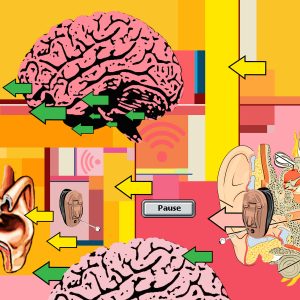
This exhibition is titled: Communicating My Deaf & Hard of Hearing Self – Part 1
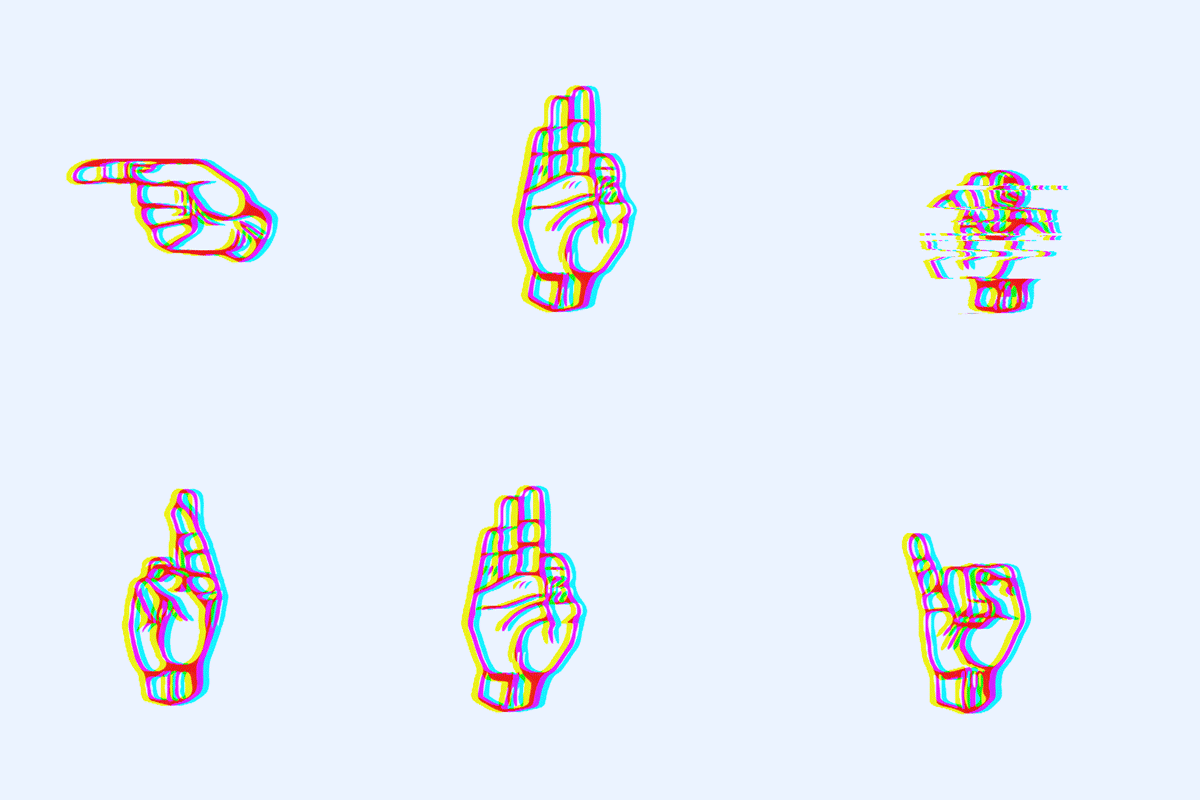
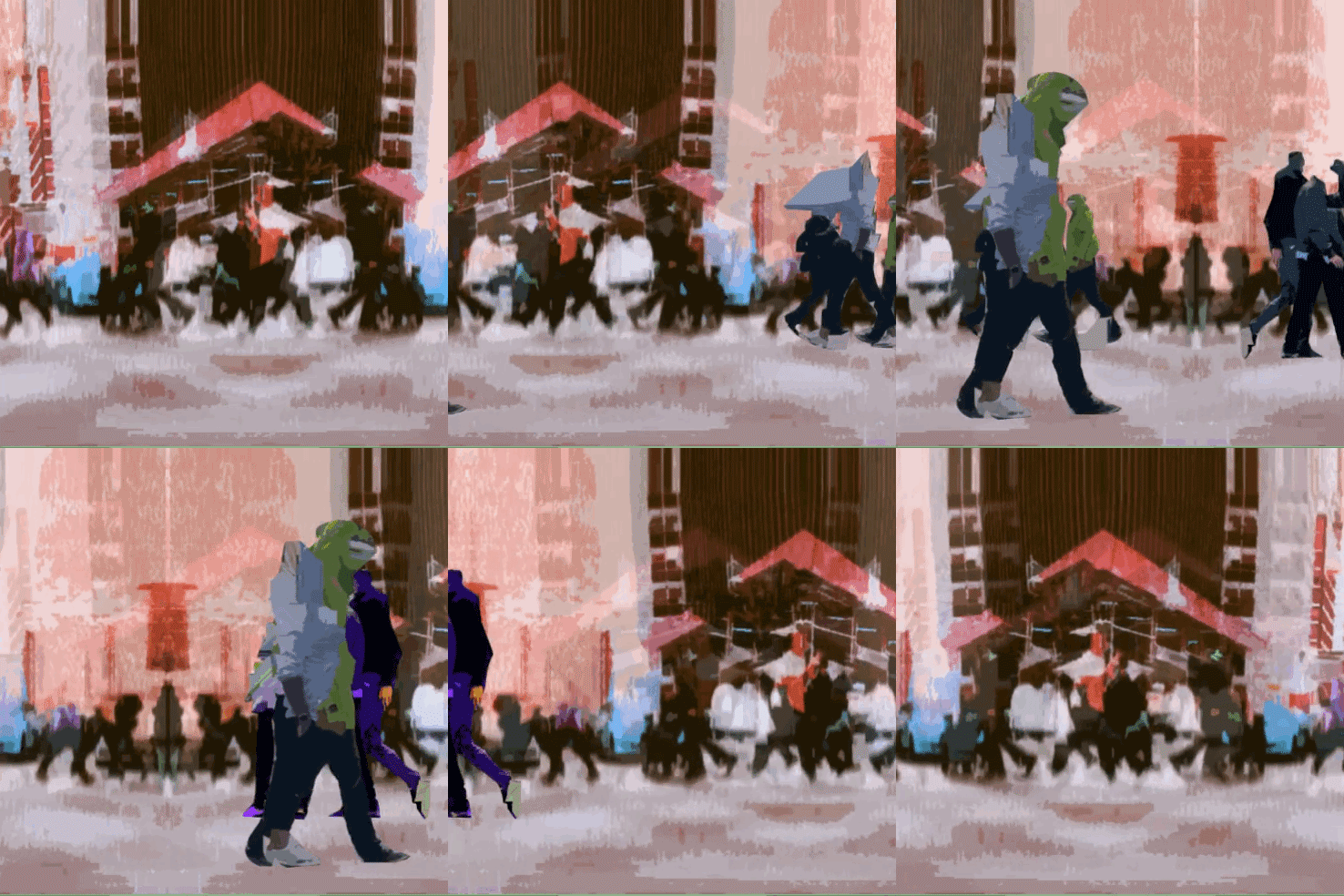
All of the pieces have been created in 2018 and consist of digital illustrations, collage, animated GIFs, video art, and written words. Fragments of manipulated grainy images and re-compositions display the variation and extension of each piece. The works are visual representations for the regular distortions, missing of sounds, words, and overall communication I experience daily. They represent how I feel, react, overcompensate, and adjust to communication in various interactions. They are intended to be both subtle, confusing and difficult to follow. Communicating My Deaf & Hard of Hearing Self – Part 1 is the first installation in the series. It is first published here on my website and shared via my social media platforms. I am seeking to extend this body of work into a lecture series for both the Deaf, Hard of Hearing and the Hearing world.
2. One of my favorite pedagogical models is a class blog. I see a lot of power and potential in it. I teach between two CUNY colleges here in New York and just submitted a wonderful cross-campus class collaboration to the New York Public Library’s zine collection. The students applied their new skill sets by interacting with each other using a class blog via the CUNY Academic Commons (where I’m a sub-committee member). You can view the entire project here.
3. I’m the curator and juror of the Art of the Hills exhibition currently on view at the Berkshire Museum in Pittsfield, MA. You can read my essay on the project here and via the Museum’s website.
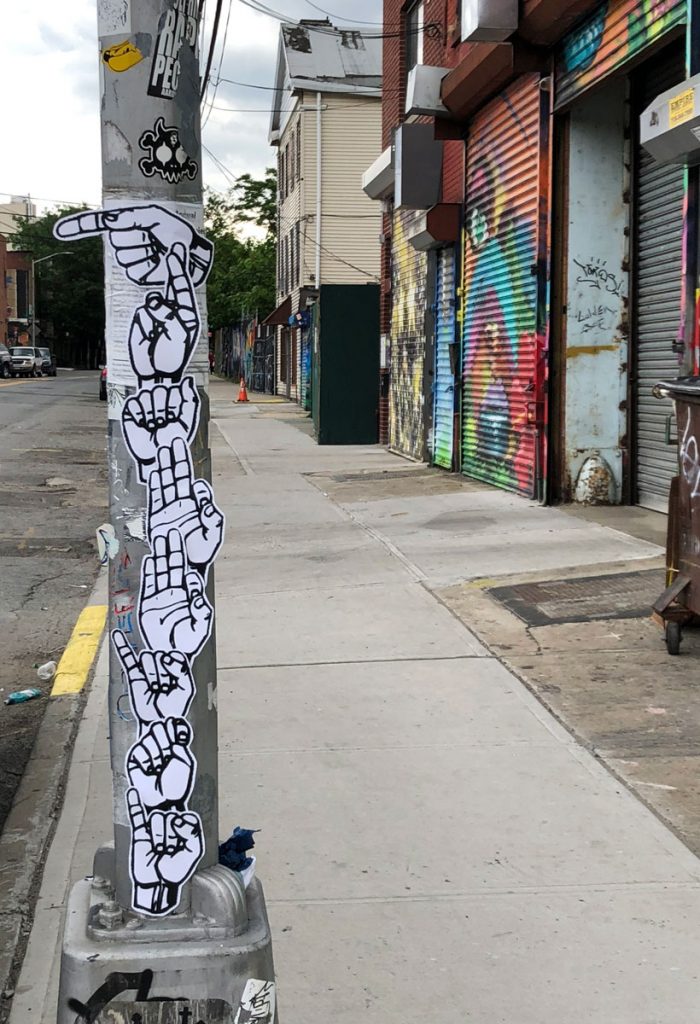
4. I have a new mural at the Welling Court Mural Project in Astoria, NY. The image attached to this interview is of me and my completed mural from this past June, 2018. You can read more here.
JTP: What would you like to see more of in the field regarding resources for Deaf and Hard of Hearing professors?
RS: I would very much like CAA’s help. We could create a network and resource for connecting with more Deaf and H of H teaching artists and professors. It would be great to initiate this via this interview and build off of it.
Are you a teaching artist and/or professor who identifies as Deaf or Hard of Hearing? Let us know.
JTP: Who is your favorite artist or designer? Favorite exhibition?
RS: Ah, the hardest of all questions! I’m constantly redefining and integrating new and old favorites across all levels of influence and inspiration. I tend to like various things and discover so much retroactively through continuous research.
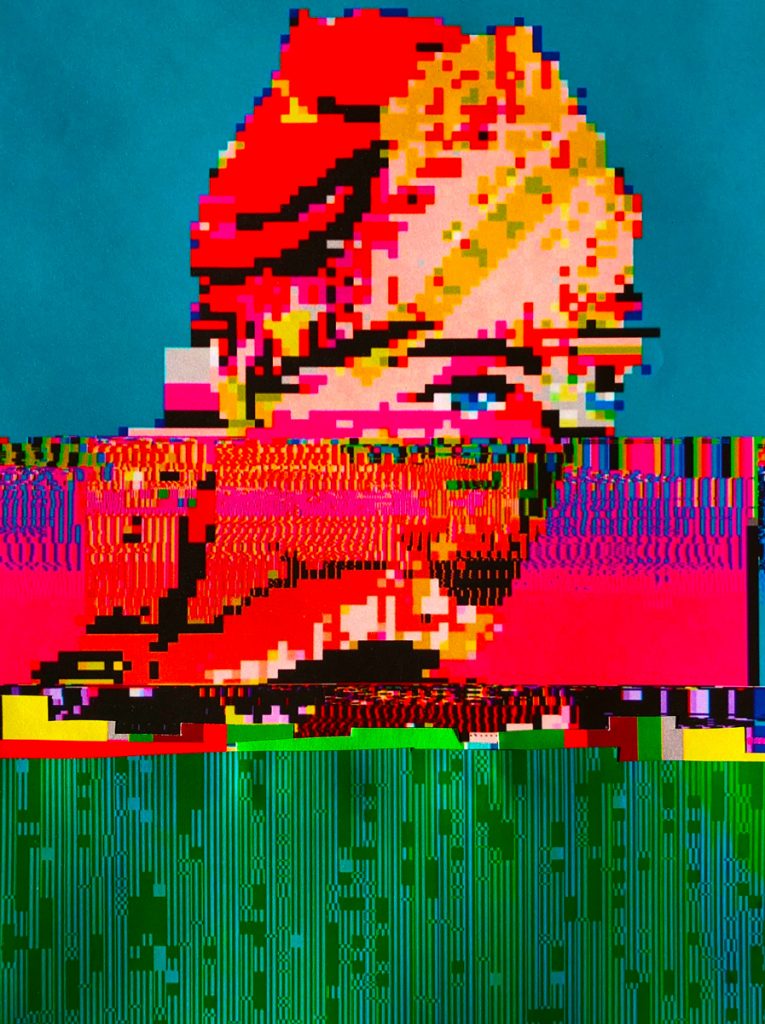
My longest running artistic influence is by far the 1980s New York City subway graffiti movement and many of the artists that pioneered it. Artists like Doze Green, Dondi White, Futura, Lady Pink, John Fekner, and Lee Quinnones are just a few to name. I got into writing graffiti in 1984 and it always stayed with me. I share the history of graffiti in every course I teach.
There is context and influence to be shared across all art and design disciplines. I also love the work of Takashi Murakami, Kara Walker, Cai Guo-Qiang, Yayoi Kusama and Matthew Barney (to name a few). Matthew Barney’s retrospective at the Guggenheim Museum in 2003 was, and still is, one of my favorite exhibitions of all time. I say this because not only did I love the variety of interconnected works in film, photography, sculpture, drawing, and installation, but the museum space itself was incredibly important and complementary to the entire exhibition. I saw the show 8 times in total.
I’m a big Paul Rand fan in the design world, as well as Joshua Davis and Debbie Millman (and her podcast Design Matters).
One of my favorite books is called Viral Art written by the multi-talented author, curator, and critic RJ Rushmore. You can download or read this book online. It’s a fantastic peek into the evolution of how graffiti and street art and their practitioners now use the internet and various web tools as a means of transcending the art form.
JTP: Thanks, Ryan! It’s great to connect with you and learn about your work. Let’s keep building resources.

This interview has been lightly edited for clarity.
New in caa.reviews
posted Jul 20, 2018
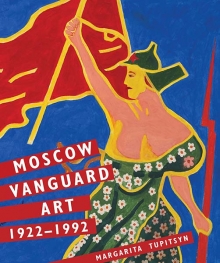
Natasha Kurchanova writes about Moscow Vanguard Art: 1922–1992 by Margarita Tupitsyn. Read the full review at caa.reviews.
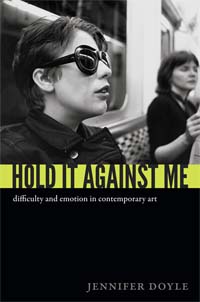
Robert Summers discusses Hold It Against Me: Difficulty and Emotion in Contemporary Art by Jennifer Doyle, and Performance by Diana Taylor. Read the full review at caa.reviews.
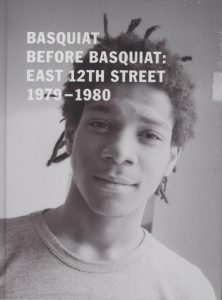
Meg R. Jackson reviews Wall Writers: Graffiti in Its Innocence by Roger Gastman, Trina Calderon, and Caleb Neelon, and Basquiat before Basquiat: East 12th Street, 1979–1980, edited by Nora Burnett Abrams. Read the full review at caa.reviews.
Explore the Latest Issue of The Art Bulletin
posted Jul 19, 2018
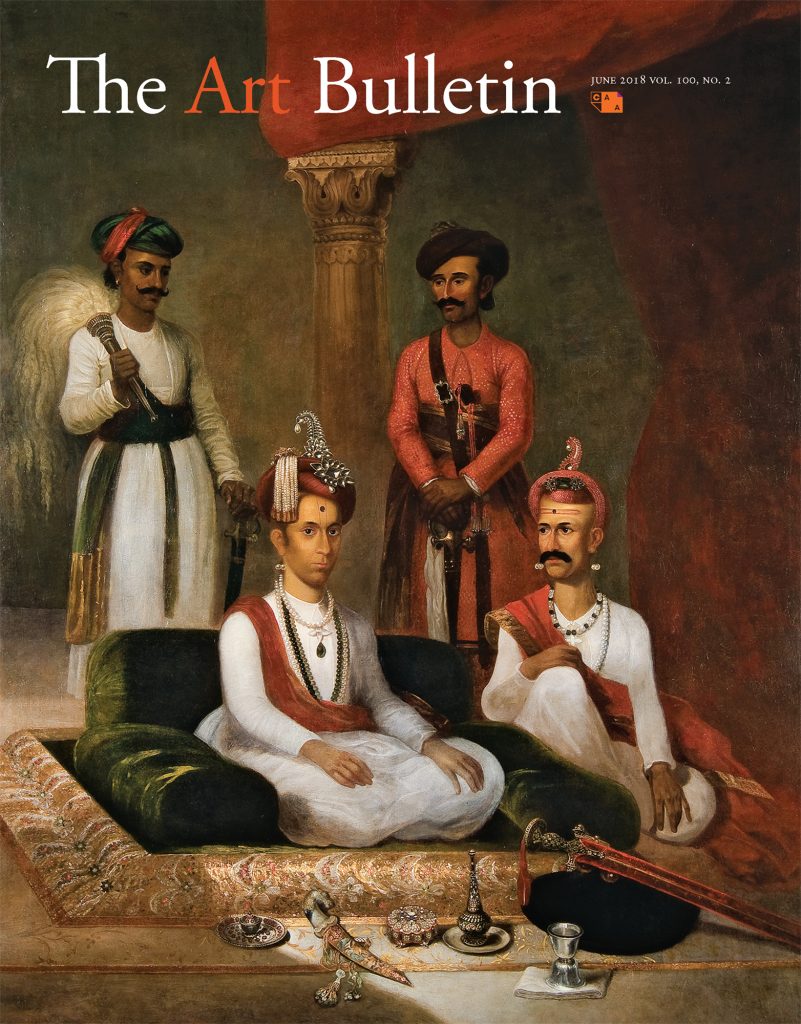
Print copies of The Art Bulletin will arrive in mailboxes this week. Click here to explore the digital version.
TABLE OF CONTENTS
The Exuding Wood of the Cross at Isenheim
Gregory C. Bryda
Watteau, through the Cracks
Oliver Wunsch
“Take All of Them”: Eclecticism and the Arts of the Pune Court in India, 1760–1800
Holly Shaffer
The Unanticipated Politics of Heritage in 1830s France: A Walk-In Diorama
Katherine Fischer Taylor
Pasteup Pictures: Ed Ruscha’s Every Building on the Sunset Strip
Jennifer Quick
REVIEWS: Screens and Projections
Nicholas Bauch, Enchanting the Desert: A Pattern Language for the Production of Space
Ellery E. Foutch
Armin Medosch, New Tendencies: Art at the Threshold of the Information Revolution (1961–1978)
Adair Rounthwaite
Hanna B. Hölling, Paik’s Virtual Archive: Time, Change, and Materiality in Media Art
Gregory Zinman
Erika Balsom, After Uniqueness: A History of Film and Video Art in Circulation
Kevin Hatch
Meredith Hoy, From Point to Pixel: A Genealogy of Digital Aesthetics
Kate Mondloch
Not a member? Click here to join CAA and explore the issue in full.
News from the Art and Academic Worlds
posted Jul 18, 2018
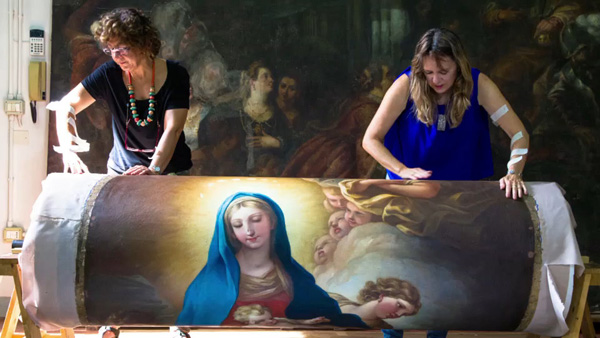
Nicoletta Fontani and Elizabeth Wicks restore masterwork by Violante Siries. Courtesy Advancing Women Artists, via artnet News.
How a Female-Led Art Restoration Movement in Florence Is Reshaping the Canon
Visiting Florence 12 years go, American philanthropist Jane Fortune asked: “Where are the women?” (artnet News)
Where Historians Work: An Interactive Database of History PhD Career Outcomes
Where Historians Work is an interactive, online database that catalogues the career outcomes of the 8,515 historians who earned PhDs at US universities from 2004 and 2013. (American Historical Association)
Rate My Professors Ditches Its Chili Pepper “Hotness” Rating
“Life is hard enough for female professors. Your ‘chili pepper’ rating of our ‘hotness’ is obnoxious and utterly irrelevant to our teaching. Please remove it because #TimesUp and you need to do better.” (Inside Higher Ed)
What College Presidents Make
A look at the latest data on compensation for more than 1,400 chief executives at private colleges and public universities. (Chronicle of Higher Education)
The Symbols of Prejudice Hidden in Medieval Art
An exhibition at the Morgan Library & Museum suggests that our view of monsters was never black-and-white. (Artsy)
Explore Humanities Projects Across the US
Using the National Humanities Alliance’s new resource, you can search and filter over 1,400 publicly engaged humanities projects in universities and colleges nationwide. (National Humanities Alliance)
New in caa.reviews
posted Jul 13, 2018
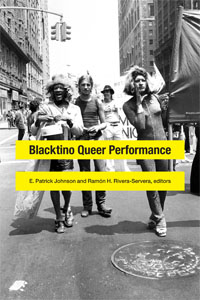
Sarah Stefana Smith writes about Blacktino Queer Performance, edited by E. Patrick Johnson and Ramón H. Rivera-Servera. Read the full review at caa.reviews.
Affiliated Society News for July 2018
posted Jul 12, 2018
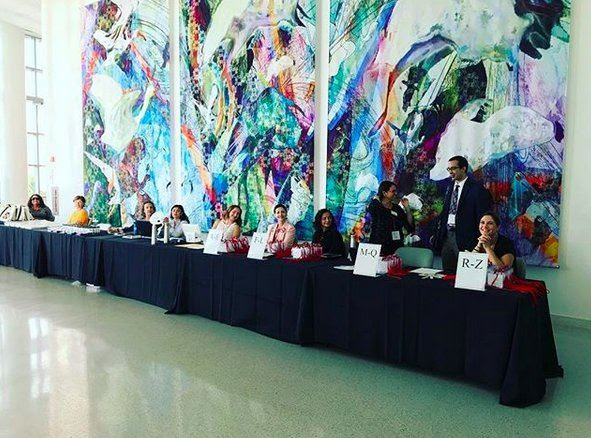
Presenters at the AAMG UMAC Annual Conference in Miami, June 21-24, 2018.
Affiliated Society News shares the new and exciting things CAA’s affiliated organizations are working on including activities, awards, publications, conferences, and exhibitions. For more information on Affiliated Societies, click here.
Art Historians Interested in Pedagogy and Technology (AHPT)
AHPT (Art Historians Interested in Pedagogy and Technology) has been an affiliate society since the 1990s and enjoyed a re-enlivened period from 2011-17. The aim of the Society was to provide a platform for teaching Art Historians to learn about and engage with new technologies that would enhance their pedagogy. Since the turn of the millennium, those of us who teach Art History have engaged deeply with multiple technologies. Particularly at CAA sessions, the Society has worked to have stimulating and educational presentations and workshops ranging in topics such as pedagogical philosophy and use of museum collections to hands-on opportunities to work directly with tools such as Voice-thread, Twitter, and OMEKA. As we continue to use and explore ever-evolving options for technological innovation within the field of Art History, the Society has noticed a trend toward self-training in new tech, and very little interest in the Society. Although CAA sessions have been popular and stimulating, there are many such sessions being offered by other groups and individuals, and thus the time for AHPT to dissolve is at hand. We are pleased to see the work of AHTR (Art History Teaching Resources) which continues to focus on teaching and learning, and so we point those of you also interested in these topics to spend some time on their website and look out for their sponsored sessions. Thank you so much for your support and interest in AHPT and hope to see you in New York in February! -Sarah J. Scott, AHPT President
Alliance for the Arts in Research Universities (a2ru)
Decipher
Announcing Decipher, a hands-on design research conference at University of Michigan / Stamps in partnership with the AIGA Design Educators Community and the new DARIA Network (Design as Research in the Americas). The event will address crucial themes of defining, doing, disseminating, supporting, and teaching design research.
Design educators and practitioners from all disciplines are encouraged to submit. There are also opportunities to engage as submission reviewers and for students to serve as conference volunteers. Learn more.
a2ru Circuits Webinar: Impacts Arts-Integrative and Interdisciplinary Practices on Research Universities
Wednesday, July 18, 2018
2:00-3:00pm EDT
Register HERE
Description: What are the roles and impacts of the arts, design, and interdisciplinary practice on teaching, research, and engagement in research universities? How do they impact students? Faculty? The community? Individual disciplines? What about the products and practices that emerge from the studio, the laboratory, and the community?
In a webinar on July 18, 2018, the a2ru research team will present a high-level overview of findings, including our synthesis of the results of over 300 interviews with faculty and academic leadership at over 38 research universities. We will also discuss resources for case-making, next-steps in our research process, and we’ll conclude by fielding questions and insights from participants.
This webinar will be recorded and posted on the a2ru website along with transcript following the session. More info at a2ru.org.
Association for Latin American Art
ALAA-Arvey Foundation Exhibition Catalogue Award
ALAA is pleased to announce its first annual ALAA-Arvey Foundation Exhibition Catalogue Award. The award will be presented to the lead author or authors of an especially distinguished exhibition catalogue of Latin American or Latinx art, from the Pre-Columbian era to the present, published under the auspices of a museum, library, or collection. The award is generously funded by the Arvey Foundation and consists of a $1,000 honorarium. We will present the award at the CAA annual meeting in February 2019. The name of the recipient(s) will appear in the newsletters of both ALAA and CAA.
For the February 2019 Award, we will evaluate exhibition catalogues on Latin American or Latinx art from the Pre-Columbian era to the present that meet the following criteria:
- Publication date between September 1, 2017 and August 31, 2018.
- Catalogues may be written in English, Spanish, or Portuguese.
- Single or multi-authored exhibition catalogues with a substantive text that advances art historical knowledge will be considered
- A three-person committee of accomplished art historians and curators, each with expertise in a wide geographical and temporal range, will evaluate the entries.
Publishers, authors, and others must contact the chair of the ALAA exhibition catalogue award committee by October 1, 2018 to verify whether a prospective entry is eligible for the competition according to the above criteria. Please include the following information: Title, author(s), and a general description of subject. If the catalogue appears eligible, the committee Chair will provide mailing addresses for all three committee members. Copies of catalogues are to be sent directly to each, and can be sent at any time over the summer but must be received no later than November 15, 2018.
Exhibition Catalogue Award Committee:
Chair, Diana Magaloni dmagaloni@lacma.org
Julia P. Herzberg julia.herzberg@gmail.com
James Oles joles@wellesley.edu
ALAA Article Prize
The Association for Latin American Art, an affiliate of the College Art Association, announces its First Annual Article Prize for a distinguished scholarly article on any aspect of Latin American/Latinx art, architecture, or visual culture, of any period from the Pre-Columbian era to the present, published in a peer reviewed journal, edited volume, or exhibition catalogue during the previous year. The award consists a $500 honorarium and will be presented at the ALAA business meeting at the annual meeting of the College Art Association in February 2019. The name of the recipient will appear in the newsletters of both ALAA and CAA.
For the February 2019 Award, we will evaluate articles that meet the following criteria:
- Publication date between September 1, 2017 and August 31, 2018.
- Essays may be written in English, Spanish, or Portuguese.
Essays will be evaluated by a three-person committee of accomplished art historians, each with expertise in a wide geographical and temporal range. For consideration, authors should send their articles as a pdf to the Chair of the ALAA article prize committee, Carolyn Dean csdean@ucsc.edu, no later than November 15, 2018. Peer nominations will also be accepted.
Committee:
Carolyn Dean, Chair csdean@ucsc.edu
Angelica Afanador jardindepomarrosa@gmail.com
Harper Montgomery hmontgom@hunter.cuny.edu
ALAA Annual Margaret Arvey Book Award
The Association of Latin American Art, an affiliate of the College Art Association, announces its Eighteenth Annual Book Award for the best scholarly book published on the art of Latin America from the Pre-Columbian era to the present. The award is generously funded by the Arvey Foundation and consists of a citation and a $1,000 honorarium. We will present the award at the annual meeting of the College Art Association in New York in February 2019. The name of the recipient will appear in the newsletters of both ALAA and CAA.
For the February 2019 Award, we will evaluate books on Latin American Art from Pre-Columbian to the present that meet the following criteria:
- Publication date between September 1, 2017 and August 31, 2018.
- Books may be written in English, Spanish, or Portuguese.
- Books may have one or more authors
The books will be evaluated by a three-person committee of accomplished art historians, each with expertise in a wide geographical and temporal range (Cynthia Kristan-Graham, Michael Schreffler, and Claudia Calirman). Publishers, authors, and others must contact Cynthia Kristan-Graham by October 1, 2018, to verify whether a prospective entry is eligible for the competition according to the above criteria. Please include the following information: Title, author(s), and a general description of subject. If the book appears eligible, she will provide mailing addresses for all three committee members. Copies of books are to be sent directly to each, and can be sent at any time over the summer but must be received no later than November 15, 2018.
Questions may be addressed to Dr. Cynthia Kristan-Graham, 589 Deer Run Rd., Auburn, AL 36832 or c.kristan.graham1@gmail.com.
ALAA Graduate Student Travel Award
We are pleased to announce the annual ALAA Graduate Student Travel Award. The award, generously funded by former ALAA president Patricia Sarro, will provide $500 toward expenses related to attending the CAA annual conference, ALAA business meeting, and ALAA sponsored sessions. Funds may be put towards hotel costs, registration, or airfare/ground travel. The awardee need not be presenting (although presenters are encouraged to apply), but should demonstrate a specific need to attend sessions or visit archives in the conference city. To apply, please send a letter of interest, including your current research area, name of your university, program, advisor, and specific purpose for attending to the conference by email to Michele Greet (mgreet@gmu.edu) by October 31. The awardee will be selected by the executive committee and will be notified of his/her acceptance by November 15. Funds will be paid upon receipt of the award, but awardee must submit receipts to ALAA verifying that funds have gone toward conference expenses (within 2 weeks of returning from the conference). The awardee is also expected attend the ALAA business meeting at the conference where he/she will be recognized as an award recipient. The awardee will also receive one year of complimentary ALAA membership.
Association for Modern and Contemporary Art of the Arab World, Iran, and Turkey (AMCA)
AKPIA@MIT | A Conversation on Modern Art in the Arab World and its Documents: Thursday, May 24, 2018
AMCA founding members Anneka Lenssen, Sarah Rogers and Nada Shabout held a conversation at MIT celebrating the launch of their new edited volume Modern Art in the Arab World: Primary Documents (2018). The event took place on Thursday, May 24, 2018 with a roundtable discussion moderated by AKPIA students Sarah Rifky and Suheyla Takesh.
Modern Art in the Arab World: Primary Documents (2018)–an anthology of translated art writing by artists and intellectuals in the Arab world of the twentieth century–offers an unparalleled resource for the study of modernism. Many of the published texts are appearing for the first time in English, and include manifestos, essays, discussion transcripts, diary entries and letters. The book is the eighth volume in The Museum of Modern Art’s Primary Documents series, which offers access to essential documents for the study of global modernism. This edition, includes sixteen new entries, by the editors and other scholars, and a new essay by the historian and Arab-studies scholar Ussama Makdisi providing a historical overview of the region’s intertwined political and cultural developments in the twentieth century.
During this event, the editors discussed how this project came about, the intricacies and challenges of the creating this archive, the challenges of organizing, selecting and contextualizing the material included in the book, and more broadly what bearings this project has on new histories of global modernism under construction.
Anneka Lenssen is Assistant Professor of Global Modern Art, at UC-Berkeley. She received her PhD in 2014 from the History, Theory, Criticism program and Aga Khan Program for Islamic Architecture at MIT. Her current book project, Beautiful Agitation: Modern Painting in Syria and the Arab East, is a study of avant-garde painting and the making of Syria as a contested territory between 1920 and 1970.
Sarah Rogers is an independent scholar. She earned her PhD in 2008 from the History, Theory and Criticism program, where she wrote her dissertation “Post-war Art and the Historical Roots of Beirut’s Cosmopolitanism.” She is a founding member of the Association for Modern and Contemporary Art of the Arab World, Iran and Turkey (AMCA) and is currently editing a collection of essays on the Khalid Shoman Private Collection.
Nada Shabout is a Professor of Art History and the Coordinator of the Contemporary Arab and Muslim Cultural Studies Initiative (CAMSCI) at the University of North Texas. She is author of Modern Arab Art: Formation of Arab Aesthetics (2007) and the founding president of the Association of Modern and Contemporary Art of the Arab World, Iran and Turkey (AMCA), and has served as Consulting Director of Research at Mathaf: Arab Museum of Modern Art, Doha. She has curated a number of exhibition including the inaugural show Sajjil: A Century of Modern Art, at Mathaf, in Doha in 2010.
Association for Textual Scholarship of Art History (ATSAH)
ATSAH Members Publications 2018
Sarah Lippert, University of Michigan at Flint
Space and Time in Artistic Practice and Aesthetics; The Legacy of Gotthold Ephraim Lessing (IB Tauris 2017).
Sarah Lippert, University of Michigan at Flint
Artistic Responses to Travel in the Western Tradition (Routledge 2018)
Sara Nair James, Professor of Art History, emerita, Mary Baldwin University
“Wit and Humor in Ugolino di Prete Ilario’s Life of the Virgin at Orvieto,” Source: Notes in the History of Art vol 36, no.3-4 (Spring/Summer 2017): 159-167.
Liana De Girolami Cheney, President of ATSAH, “Camillo Camilli’s Imprese for the Academies,” Journal of Literature and Art Studies Vol. 8. No. 4 April 2018): 589-613
Liana De Girolami Cheney, President of ATSAH, “Galileo Galilei’s Tomb in Santa Croce: Art and Science,” in Imagining Other Worlds: Explorations in Astronomy and Culture, eds. Nicholas Champion and Chris Impey (Bath, UK: INSAPIX and Sophia Center Press, 2018): 60-75.
Liana De Girolami Cheney, President of ATSAH, “Giorgio Vasari’s Planetary Journey,” in Artistic Responses to Travel in the Western Tradition, ed. Sarah Lippert (New York: Routledge 2018):156-169.
Andrzej Piotrowski, University of Minnesota
The Routledge Companion to Contemporary Architectural History (New York: Routledge, 2018).
Damiano Acciarino, Lettere sulle grotteschi: 1580-1581. Collana di Storia Dell’Arte Moderna, 2. Rome: Aracne, 2018.
ATSAH Award for Students and Scholars
In commemoration of our 30th anniversary, ATSAH plans to offer two awards: one prize for the best article by an emerging scholar (no higher than Associate level). The topic may range from classical to Pre-Raphaelite art, reflecting the aims of ATSAH. The second is a small travel grant for junior scholar presenting a paper an ATSAH session.
The board of ATSAH selects these awards.
For further data, contact:
Liana Cheney, PhD, President of ATSAH,
lianacheney@earthlink.net
Historians of Netherlandish Art (HNA)
HNA welcomed 250 participants for the ninth quadrennial HNA Conference held in Ghent, Belgium, May 23-26, 2018. HNA will move to a triennial format going forward, with the next conferences in 2021 and 2024. Please visit our HNA Conference webpage for more information: https://hnanews.org/news/opportunities/hna-conference/
The editors of JHNA are pleased to announce that the Samuel H. Kress Foundation has awarded the journal a grant to underwrite the costs of publishing a digital project in the next year. The project in question is Melanie Gifford’s “The Fall of Phaeton in the evolution of Peter Paul Rubens.” Melanie is Research Conservator for Painting Technology at the National Gallery of Art, Washington. Her project uses high-resolution zoomable images and interactive paint sample analysis to illustrate her discovery of two distinct campaigns of revision by the artist in The Fall of Phaeton. This new information has important implications for our understanding of the artist’s evolution: we see how he continued to engage critically with his experience in Italy (1600-1609) after he had returned to Antwerp, and we observe his creative process as he moved between paintings and rethought the efficacy of his compositions.
Articles can be submitted to JHNA at any time. Please see the following link: https://jhna.org/submissions/
CFP RSA 2019 Toronto
Netherlandish Art and Artists in Spain, 1400-1600
HNA-Sponsored Session
HNA invites papers to be presented at the annual meeting of the Renaissance Society of America (RSA) in Toronto that explore one of the many aspects of Netherlandish-Spanish artistic relationships, with a particular focus on the artists and works of art that were, at least once, physically situated in Spain.
Click here to see the CFP.
American Society for Aesthetics
The American Society for Aesthetics is pleased to announce its 76th Annual Meeting, October 10-13, 2018, in Toronto, Ontario, Canada. The meeting features dozens of sessions with papers, commentators, and panels on the arts. Toronto artist, Ilene Sova, will be the featured Danto speaker, speaking on Friday evening on “The Missing Women Project: Portraits as a Site of Community Impact.”
For more information on the meeting, please see our web site, with complete schedule, abstracts, and information on how to register.
The American Society for Aesthetics was founded in 1942 to promote study, research, discussion, and publication in aesthetics. “Aesthetics” is understood to include all studies of the arts and related experiences from a philosophic, scientific, or other theoretical standpoint, including those of psychology, sociology, anthropology, cultural history, art criticism, and education. We welcome work from all perspectives, including “analytic” and “continental” approaches. The ASA publishes the Journal of Aesthetics and Art Criticism and the ASA Newsletter. Both publications are free to members.
Visit our web site to learn more about us: http://aesthetics-online.org/
Join our Facebook page: https://www.facebook.com/groups/7399905817/
Follow us on Twitter: @ASA_aesthetic
Association of Academic Museums & Galleries (AAMG)
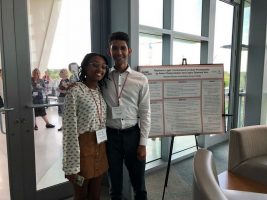
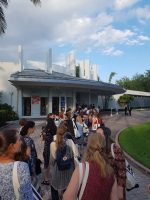 Close to 400 academic museum and gallery professionals attended the 2018 AAMG UMAC Annual Conference in Miami, Florida from June 21-24, 2018. Many thanks to all who attended, presented, and supported our program this year. We hope to announce our 2019 venue within the next few months. Stay tuned!
Society of Architectural Historians (SAH)
Travel to Cuba with architect Belmont Freeman, FAIA, December 1-14, for the 2018 SAH Field Seminar and enjoy an ambitious immersion in the architecture, urbanism, and landscape of the country, covering territory from Havana in the west to Guantánamo, Cuba’s eastern-most province.
The first five days will concentrate on the capital city of Havana and its environs, examining the colonial architecture of the old city, early and mid-century modernism, and the radical avant-garde of the post-revolution period. The second week will take us on an overland journey through a string of historic cities—and beautiful countryside—ending in Santiago de Cuba, Cuba’s #2 city and very Caribbean counterpart to cosmopolitan Havana.
Travel to Cuba, and to Havana in particular, has in recent years become easier for Americans. This tour, therefore, is designed to take SAH members away from tourist centers and to places that they would be unlikely to visit on their own.
An SAH Study Program Fellowship is available for a graduate student or emerging scholar to participate in the tour. The application deadline is Friday, August 3.
Space is limited. The registration deadline is Friday, August 3.
Community College Professors of Art and Art History (CCPAAH)
The Community College Professors of Art and Art History have two opportunities to submit presentations for our conference panels next year. Please consider submitting to our session at the 2019 College Art Association Conference in New York. See page 11 for our session, Collaborations in and out of the Classroom: New Ideas and Interdisciplinary Approaches in the CAA Call for Participation: http://www.collegeart.org/pdf/programs/conference/CAA-CFP-2019.pdf
We will also have an opportunity to submit for our panel at the FATE (Foundations in Art Theory and Education) Conference in Cincinnati next spring. Watch the FATE website https://www.foundations-art.org/conferences for more information about the CCPAAH Session and the details for submissions. For more information contact Susan Altman, ccpaah@gmail.com and submit for CAA by August 6 to: Saltman@middlesexcc.edu
International Sculpture Center
Registration is open now for the 28th ISC Conference: Defining Moments in the Face of Change, and is available to ISC members, non-members, students, and all those with an interest in sculpture. The conference will include keynote speaker, Doris Salcedo, as well as engaging panel discussions, networking events, and exciting tours, & optional activities. https://sculpture.org/philly2018/
The ISC’s Cultural Arts Tour is taking an intimate group of contemporary art enthusiasts to the elusive island of Cuba. Through the help of a local guide, access to artist’s studios, and private museum tours, our attendees will immerse themselves in the color and culture of Cuba. Learn more at https://www.sculpture.org/cultural-tours/cuba
SECAC
SECAC awards two $5,000 prizes annually to members: The Artist’s Fellowship, awarded for work on a specific project, and the William R. Levin Award for Research in the History of Art, for work on a publication. Artist’s Fellowship entries must be submitted by August 14, 2018, at https://secac.secure-platform.com/a/solicitations/home/3; the Levin Award entries must be submitted by August 31, 2018. For more information see secacart.org, Awards.
SECAC invites individual paper proposals for the SECAC at CAA 2019 session, Below the Mason-Dixon Line: Artists and Historians Considering the South. To be considered please submit the following materials to the session chair Rachel Stephens at rachel@ua.edu, by July 27: proposal form http://www.collegeart.org/pdf/programs/conference/CAA-CFP-2019.pdf, abstract, brief statement of expertise, and shortened CV. Accepted participants must be members of both SECAC and CAA.
Session abstract: From the eighteenth-century onward artists have turned their attention to sites and scenes of the American South. In the years before the Civil War, southern art tended to glorify the plantation while striving to maintain the social order. Stereotypes initiated during the antebellum period continued unabated post-war. Many of these continue in various forms today. This session invites papers by both artists and scholars whose work investigates the rich history of the American South. Papers considering any medium will be considered.
The 74th Annual SECAC Conference, hosted by the University of Alabama at Birmingham, will be held October 17 through 20, 2018. Offsite events include a keynote address by Andrew Freear of Auburn University’s Rural Studio and a reception to view the exhibition Third Space/Shifting Conversations about Contemporary Art at the Birmingham Museum of Art, and the annual SECAC Artist’s Fellowship and Juried Exhibitions’ reception at will be held at UAB’s Abroms-Engel Institute for the Visual Arts. Conference registration opens August 1.
The International Art Market Studies Association (TIAMSA)
The conference “ART FOR ALL PEOPLE? QUESTIONING THE DEMOCRATIZATION OF THE ART MARKET” takes place in Vienna, Austria, 27-29 Sept 2019.
TIAMSA members go FREE, non-members fees are € 30 / 15 (concessions).
The conference has an exciting pre-program on Thu 27 with a tour of viennacontemporary art fair or an insider’s tour to the archive of the Belvedere Research Center.
We look forward to seeing you there!
Foundations in Art: Theory and Education (FATE) News
http://www.foundations-art.org/
Coming up in July: Submit your paper proposals for panels and workshops! FATE’s 17th Biennial Conference, “Foundations in Flux,” will be hosted by Columbus College of Art & Design in Columbus, Ohio on April 4th-6th, 2019. http://www.foundations-art.org/conferences
Positive Space is FATE’s bi-monthly podcast providing opportunities for those passionate about art foundations to discuss and promote excellence in the development and teaching of college level foundations in art & design studio and history classes.
Episode 33 [ 6.27.18 ] Positive Space sits down with Anthony Watkins, Associate Professor of Graphic Design at Sam Houston State University. Watkins discusses foundations effect on Graphic Design, teaching professionalism in his field and inspirations for students.
Episode 32 [ 6.13.18 ] Positive Space speaks with Michael Marks, Associate Professor of Art and Foundations Program Coordinator at the South Carolina School of the Arts at Anderson University. Michael discusses the foundations program at Anderson University and the release of FATE in Review.
Episode 31 [ 5.23.18 ] In this episode Positive Space speaks with Jesse Payne, Head of the Drawing Studio and Assistant Professor in the Art & Design Foundations Department at Virginia Commonwealth University, based in Doha, Qatar. Mr. Payne discusses the opportunities created teaching at an international university.
If you have podcast ideas, contact us! Positive Space has a phone number: 904-990-FATE. Give us a call & record a message today or visit: http://www.foundations-art.org/positive-space-podcast
Join us September 14-15, 2018, for a Regional FATE Conference at the University of Central Florida in Orlando, Florida for a symposium to share your new and developing pedagogical approaches, curriculum, and projects. This will provide the unique opportunity to hear fellow art colleagues share their experiments, successes, and failures and how they will continue to change in the future. https://www.foundations-art.org/regional-events
International Association of Art Critics (AICA-USA)
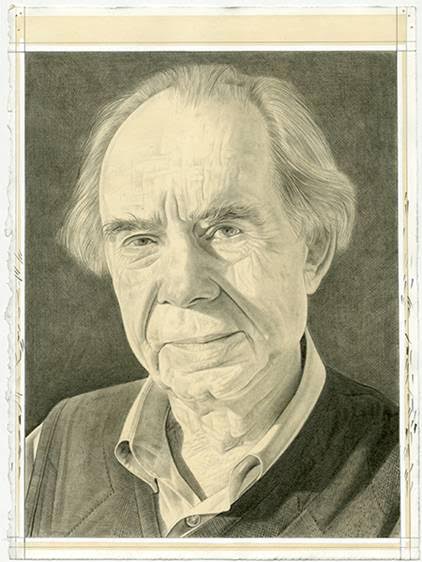
Phong Bui, Portrait of Irving Sandler, 2006, pencil on paper
Announcing the AICA-USA Irving Sandler Award for Distinguished Art Criticism
The American chapter of the International Association of Art Critics (AICA-USA) is pleased to announce the establishment of the AICA-USA Irving Sandler Award for Distinguished Art Criticism.
As an organization devoted to serving art writers and critics, we are committed to promoting and honoring excellence in young art critics. At a time when the very role and value of art criticism are in question, we look for guidance and inspiration to esteemed art critic and beloved board member and friend, Irving Sandler, who has tirelessly illuminated the role of art, artists and art criticism in the 20th and 21st centuries. AICA-USA will bestow The AICA-USA Irving Sandler Award for Distinguished Art Criticism to a worthy young art critic on an annual basis.
This award marks a continuation of AICA-USA’s dedication to young critics and to excellence in art writing, exemplified by its existing programs: The Young Art Critics Mentoring Program, organized in partnership with the Cue Art Foundation; the Art Writing Workshop, a partnership with the Creative Capital | Warhol Foundation Arts Writers Grant Program; and the annual Distinguished Critic Lecture, hosted in collaboration with the Vera List Center for Art and Politics.
Design Incubation
The Fellowship Program at Design Incubation
Application deadline: Sept 1, 2018
Fellowship dates: January 10-12, 2019
Location: St. John’s University, Manhattan Campus, 51 Astor Place, New York, NY 10003
Target Audience: Design academics in one or more of the following areas: graphic design, information design, branding, marketing, advertising, typography, web, interaction, film and video, animation, illustration, game design. Full-time tenure track or tenured faculty are given preference but any academic may apply. Applicants who are tenure track or tenured faculty are given first priority but other faculty or independent researchers may apply.
Format: All Fellows accepted into the program participate in the Fellowship Workshop as part of the overall experience. The Fellowship workshops offers participants the opportunity to share and develop ideas for research and individual writing projects while receiving constructive feedback from faculty mentors and peers in their field.
Fellows arrive with a draft of their writing and work on this specific project throughout the various sessions of the Fellowship Workshop. Each meeting includes a number of short informational sessions and a session devoted to analyzing and editing written work. The remainder of the 3-day workshop will be focused on activities which allow participants to share their projects with peers and receive structured feedback. Between sessions, Fellows will have time to execute revisions, review others participants work, and engage in discussions. Initiation of and work on collaborative projects is encouraged.
For more further details and to apply visit the website:
https://designincubation.com/the-fellowship-program-at-design-incubation/
To apply visit the application details and online form:
https://designincubation.com/fellowship-application-process/
For Frequently Asked Questions visit the FAQ page:
https://designincubation.com/fellowship-faqs/
Association of Print Scholars (APS)
The Association of Print Scholars (APS) is currently accepting submissions for the upcoming session at the 2019 College Art Association Annual Meeting “Coloring Print: Reproducing Race Through Material, Process, and Language” (New York, 13-16 Feb 2019). Deadline: August 6, 2018.
APS is pleased to award its first annual Collaboration Grant to Self Help Graphics & Art, in order to provide funding for honoraria so that artists may participate in panel discussions related to the organization’s 45th anniversary exhibition, Entre Tinta y Lucha (Between Ink and the Struggle). The APS Collaboration Grant, which carries a $1,000 prize, follows the mission of APS and supports innovative scholarship about printmaking and fostering dialogue among members of the print community. The deadline for the 2019 Collaboration Grant is December 1, 2018.
Rebecca Capua, Associate Paper Conservator at the Sherman Fairchild Center for Works of Art on Paper, The Metropolitan Museum of Art, has been awarded the 2018 Schulman and Bullard Article Prize. Capua’s article, “Japonisme and Japanese Works on Paper: Cross-cultural and hybrid materials” was published in Adapt and Evolve: East Asian Materials and Techniques in Western Conservation. The Schulman and Bullard Article Prize, which carries a $2,000 prize, is generously sponsored by print dealers Susan Schulman and Carolyn Bullard. Following the mission of APS, articles can feature aspects of printmaking across any geographic region and all chronological periods. APS is currently accepting submissions for the 2019 prize until January 31, 2019. Visit our website for more information: https://printscholars.org/