
CAA News Today
Sarah G. Sharp and Kara Hearn
posted by CAA — December 11, 2017
The weekly CAA Conversations Podcast continues the vibrant discussions initiated at our Annual Conference. Listen in each week as educators explore arts and pedagogy, tackling everything from the day-to-day grind to the big, universal questions of the field.
This week, Sarah G. Sharp, assistant professor at University of Maryland and faculty of the Art Practice MFA Program at SVA in New York, and Kara Hearn, video artist and assistant chair of Film and Video at Pratt Institute, discuss video training for artists across disciplines.
New in caa.reviews
posted by CAA — December 08, 2017
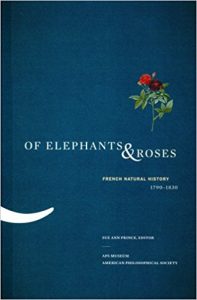
Katie Hornstein discusses Of Elephants & Roses: French Natural History, 1790–1830 by Sue Ann Price. Read the full review at caa.reviews.
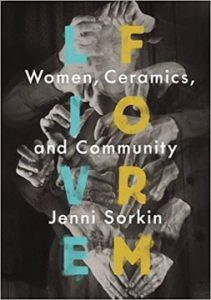
K.L.H. Wells reviews Live Form: Women, Ceramics, and Community by Jenni Sorkin. Read the full review at caa.reviews .
Christina Fail writes about Activating Democracy: The “I Wish to Say” Project edited by Sheryl Oring. Read the full review at caa.reviews.
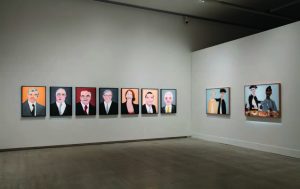
Kate Warren writes on TarraWarra Biennial 2016: Endless Circulation by Victoria Lynn and Helen Hughes. Read the full review at caa.reviews.
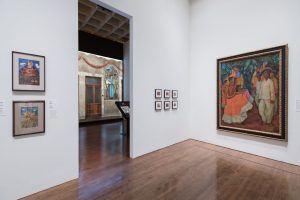
Monica Bravo takes a look at Paint the Revolution: Mexican Modernism, 1910–1950 edited by Matthew Affron, Mark A. Castro, Dafne Cruz Porchini, and Renato González Mello. Read the full review at caa.reviews.
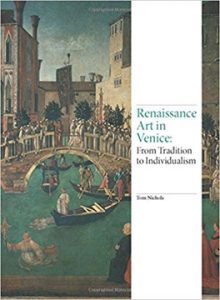
Joseph Hammond reviews Renaissance Art in Venice: From Tradition to Individualism by Tom Nichols. Read the full review at caa.reviews.
Akela Reason writes on Icon of Modernism: Representing the Brooklyn Bridge, 1883–1950 by Sarah Kate Gillespie, Janice Simon, Meredith E. Ward, and Kimberly Orcutt. Read the full review at caa.reviews.
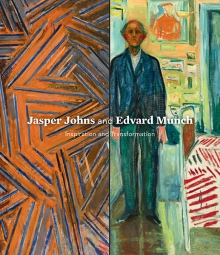
Kathleen Chapman reviews Jasper Johns and Edvard Munch: Inspiration and Transformation edited by John B. Ravenal. Read the full review at caa.reviews.
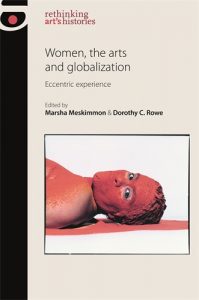
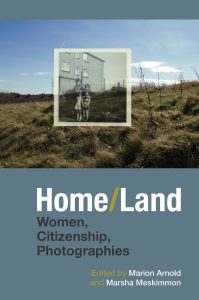
Jane Chin Davidson discusses Women, the Arts and Globalization: Eccentric Experience edited by Marsha Meskimmon and Dorothy C. Rowe and Home/Land: Women, Citizenship, Photographies edited by Marion Arnold and Marsha Meskimmon. Read the full review at caa.reviews.
Associate Editor for Digital Publications
posted by CAA — December 08, 2017
Please note: This position has been filled. Thank you.
College Art Association
50 Broadway, Fl 21
New York, NY 10004
Date posted: December 6, 2017
Position Title: Associate Editor for Digital Publications
Supervisor: Director of Programs and Publications
Full-time, salaried with benefits
Founded in 1911, the College Art Association (CAA) is the preeminent international leadership organization in the visual arts, promoting the field through intellectual engagement, advocacy, programs, and a commitment to the diversity of practices and practitioners. Each year, CAA offers an Annual Conference, publishes two scholarly journals and offers a variety of other programs. Visit CollegeArt.org for a complete description of programs and offerings.
CAA has more than 9,000 members worldwide. The majority of members are curators, art historians, scholars, visual artists, and designers.
Responsibilities:
The Associate Editor for Digital Publications reports to the Director of Programs and Publications. The Associate Editor serves principally as production manager and copyeditor for Art Journal Open, assists in production of caa.reviews, and provides support for other digital publication projects.
The Associate Editor works closely and collaboratively with colleagues in all departments within CAA as well as with representatives from the Board of Directors, editorial boards, and Publications Committee, to establish priorities and to ensure the highest standards of publishing. The Associate Editor acts as the liaison for CAA publications to the association’s communications and marketing department; skills in social media and copywriting are essential.
Art Journal Open
- Responsibilities include, but are not limited to serving as production manager working closely with the Web Editor to produce essays and artists’ projects for the website.
- Creates and maintains production schedules, including deadlines for submissions, editing, proofreading, and publishing.
- Communicates regularly with the Director of Programs and Publications, Editorial Director, and Web Editor about the progress of web projects and texts.
- Reviews text, image, video, and other files submitted for publication; checks permissions submitted by authors; and obtains replacement files when necessary
- Copyedits, fact-checks, and proofreads manuscripts; manages editorial process for contributors
- Designs and implements layouts for all projects published
- Prepares manuscripts and images for upload
- Uploads and publishes all content
- Manages and maintains functionality and administrative aspects of the site including contracts, permissions, and payments
Programs and Publications Department
- Assists with maintenance of reviews website
- Works on multimedia projects for reviews using the Scalar platform
- Works with Publications and Programs Editor to upload and publish content on reviews on a weekly basis
- Works collaboratively with CAA’s communications, marketing, and membership department to promote content published across all CAA’s publications, including preparing marketing copy and strategizing; works with CAA’s Media and Content Manager on preparing content for social media
- Collaborates with Grants and Special Programs Manager on grant programs and applications
Required Qualifications:
- Bachelor’s degree, preferably in an art related field
- A minimum of 2 years experience in editorial production; a background or interest in contemporary art editing is a plus
- Working knowledge and experience with WordPress or working with another CMS system to publish online. Familiarity with PHP development is a plus
- Experience with HTML/CSS, Photoshop, Vimeo, and social media platforms including Instagram, Facebook, and Twitter
- Strong English-language and copyediting skills (Chicago Manual of Style)
- Excellent communication, organizational, and time-management skills
- Excellent attention to detail and interpersonal skills
- Demonstrated ability to understand production scheduled, meet deadlines and quality expectations
- Demonstrated ability to work independently and collaboratively as a member of a team
- Flexibility, creativity, and initiative
- Pleasant demeanor
- Proficiency with Microsoft Word and Excel
- Ability to work resourcefully and adapt to changing needs within the department
Interested individuals should submit a cover letter and resume to Tiffany Dugan, Director of Programs and Publications, via email (with “Associate Editor for Digital Publications” and applicant’s last name in subject line) at TDugan@collegeart.org. No telephone inquiries will be accepted. Applications accepted until position is filled. Please include the names and contact information for three references who can speak to your qualifications and ability to perform the tasks requested.
The College Art Association is an equal opportunity employer and considers all candidates for employment regardless of race, color, sex, age, national origin, creed, disability, marital status, sexual orientation, gender expression, or political affiliation.
News from the Art and Academic Worlds
posted by CAA — December 06, 2017
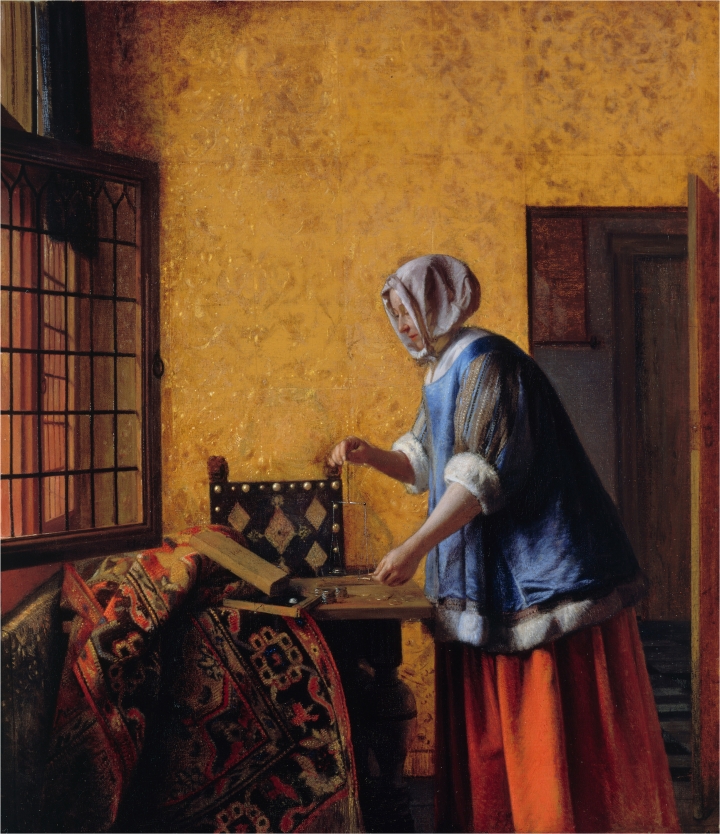
Pieter de Hooch, Woman Weighing Coins (c. 1664), oil on canvas (image courtesy of the Staatliche Museen zu Berlin, Gemäldegalerie, property of Kaiser Friedrich Museumsverein), included in Vermeer and the Masters of Genre Painting.
Each week CAA News summarizes articles, published around the web, that CAA members may find interesting and useful in their professional and creative lives.
Academics and Artists Weigh In on Controversial City Monuments
Over 120 academics and artists have urged Mayor Bill de Blasio to remove five public monuments and markers they say celebrate racism. (New York Times)
The High Life of Vermeer and his Contemporaries
An exhibition at the National Gallery of Art reinserts Vermeer into the tradition in which he worked, both demystifying his paintings and lending force to his take on the genre. (Hyperallergic)
Seven of the Met’s Tiniest Masterpieces
From a 19th-century necklace of miniature portraits to an ancient Egyptian scarab, here are seven of the Met’s tiniest works of art. (Artsy)
Teenagers in Maryland Create a Pop-Up Museum to Explain Their Lives and Struggles
The Museum of Contemporary American Teenagers (MoCAT) is scheduled to open today. (Washington Post)
A Whale’s Tale: Longest Painting in North America Restored
A museum has restored the longest painting in North America so it can share the story of American whaling. (Associated Press)
UK Museums’ Right to Charge Image Fees is Called into Question
A campaign for institutions to free up photographs of out-of-copyright works is backed by legal experts. (The Art Newspaper)
Meet the 2018 Travel Grant Recipients
posted by CAA — December 05, 2017
CAA offers Annual Conference Travel Grants to graduate students in art history and studio art and to international artists and scholars. Meet this year’s recipients below.
CAA TRAVEL GRANT IN MEMORY OF ARCHIBALD CASON EDWARDS, SENIOR, AND SARAH STANLEY GORDON EDWARDS
Established by Mary D. Edwards with the help of others, the CAA Travel Grant in Memory of Archibald Cason Edwards, Senior, and Sarah Stanley Gordon Edwards supports women who are emerging scholars at either an advanced stage of pursuing a doctoral degree or who have received their PhD within the two years prior to the submission of the application.
Ashley Dimmig, University of Michigan
Woven Spaces: Building with Textile in Islamic Architecture
“Into the Fold: Nineteenth-Century Ottoman Fabric (and) Architecture”
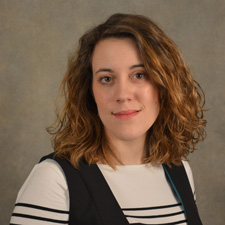
Sandra Gomez Todó, University of Iowa
Unruly Women in Early Modern Art and Material Culture
“‘But ev’ry Woman is at Heart a Rake:’ Sartorial Agency and the Disruptive Female Masquerader in Lady Elizabeth Chudleigh’s Iphigenia”
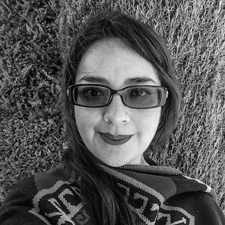
Tania Vanessa Alvarez Portugal
De-centering the “Global Renaissance.” Encounters with Asia and the Pacific Rim
“A Mexican Tarot? A 1583 Deck of Mexican Playing Cards”
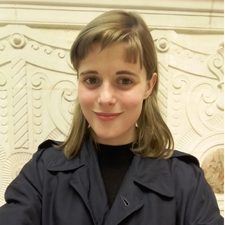
Emilie Anne-Yvonne Luse, Duke University
Avant-Gardes and Varieties of Fascism
“A Modern Pax Romana: Christian Universalism, Fascism and the Neo-Humanist Aesthetic of Waldemar George”
CAA GRADUATE STUDENT CONFERENCE TRAVEL GRANTS
CAA awards Graduate Student Conference Travel Grants to advanced PhD and MFA graduate students as partial reimbursement of travel expenses to the Annual Conference.
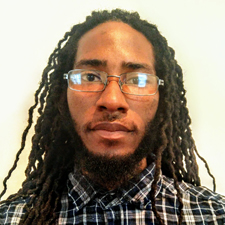
Mensah Bey
Allison Renée Dunavant
Ezgi Isbilen
Steven Lemke
Kimberly Lyle
Kelly McClinton
Maja M. Michaliszyn
Hollis Moore
CAA INTERNATIONAL MEMBER CONFERENCE TRAVEL GRANTS
CAA awards the International Member Conference Travel Grant to artists and scholars from outside the United States as partial reimbursement of travel expenses to the Annual Conference.
Pamela Gerrish Nunn
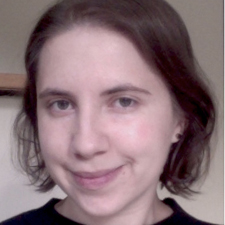
Erin McClenathan
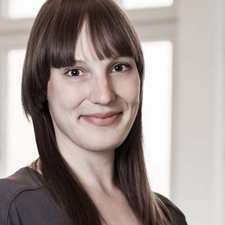
Friederike Schäfer
SAMUEL H. KRESS FOUNDATION CAA CONFERENCE TRAVEL FELLOWSHIP FOR INTERNATIONAL SCHOLARS
Recognizing the value of first-hand exchanges of ideas and experience among art historians, the Kress Foundation is offering support for international scholars participating as speakers at the 2018 CAA Annual Conference. The scholarly focus of the papers must be European art before 1830. Kress recipients will be announced in January 2018.
CAA-GETTY INTERNATIONAL PROGRAM
Every year since 2012, the CAA-Getty International Program has brought between fifteen and twenty art historians, museum curators, and artists who teach art history to attend CAA’s Annual Conference. This program is funded on an annual basis by the Getty Foundation. Click here to meet the CAA-Getty International Program participants.
Sophia Brueckner and Byron Rich
posted by CAA — December 04, 2017
The weekly CAA Conversations Podcast continues the vibrant discussions initiated at our Annual Conference. Listen in each week as educators explore arts and pedagogy, tackling everything from the day-to-day grind to the big, universal questions of the field.
This week, Sophia Brueckner, assistant professor at the Stamps School of Art & Design at the University of Michigan, and Byron Rich, assistant professor of Art at Allegheny College in Pennsylvania, discuss science fiction as inspiration for design and innovation.
New in caa.reviews
posted by CAA — December 01, 2017
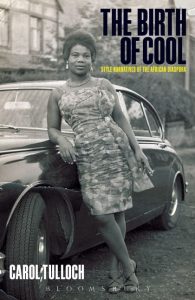
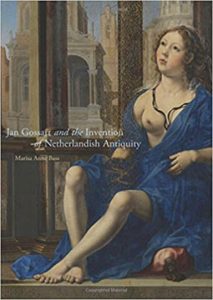
Jessen Kelly discusses Jan Gossart and Invention of Nederlandish Antiquity by Marisa Anne Bass. Read the full review at caa.reviews.
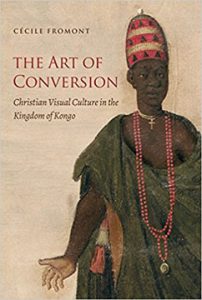
Jordan A. Fenton reviews The Art of Conversion: Christian Visual Culture in the Kingdom of Kongo by Cécile Fromont. Read the full review at caa.reviews.
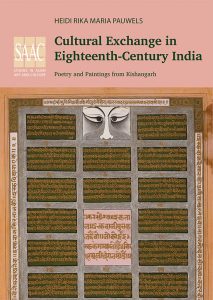
Vivek Gupta writes on Cultural Exchange in Eighteenth-Century India by Heidi Pauwels. Read the full review at caa.reviews.
Jane Tynan writes about The Birth of Cool: Style Narratives of the African Diaspora by Carol Tulloch. Read the full review at caa.reviews.
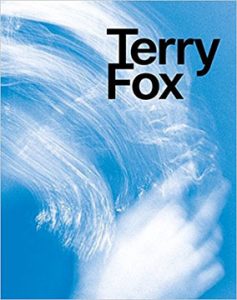
Katherine Doniak discusses Terry Fox edited by Arnold Dreyblatt and Angela Lammert. Read the full review at caa.reviews.
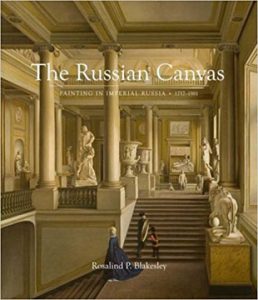
Allison Leigh reviews The Russian Canvas by Rosalind P. Blakesly. Read the full review at caa.reviews.
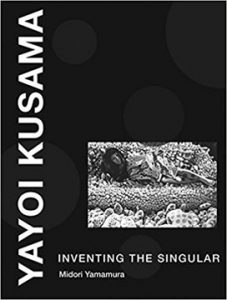
SooJin Lee writes about Yayoi Kusama by Midori Yamamura. Read the full review at caa.reviews.
Medias Res by Nick Herman on Art Journal Open
posted by CAA — November 30, 2017
Art Journal Open presents Medias Res by Los Angeles–based artist Nick Herman, with an introduction by Art Journal Open’s Former Web Editor, Gloria Sutton.
Medias Res is the second of two projects that Herman has created for Art Journal Open, and features Herman’s exploration of his artworks and texts related to his interests in static, rastering, layering, and other transmission processes. These interests have led Herman to create two new works to be viewed on Art Journal Open: Comm 1 (2017), which takes the shape of a unique and experimental pop-up GIF experience, and MERROR ERROR TERRIOR (2017), a downloadable image.
“Static or noise as a record of transmission becomes its own reward, reflecting its innate complexity and, in the process, some greater truth about its origin.” Herman writes, “To me, the GIF does something similar, capturing the unpredictable rhythms and constituent raster of their source.”
Visit Art Journal Open to explore Media Res.
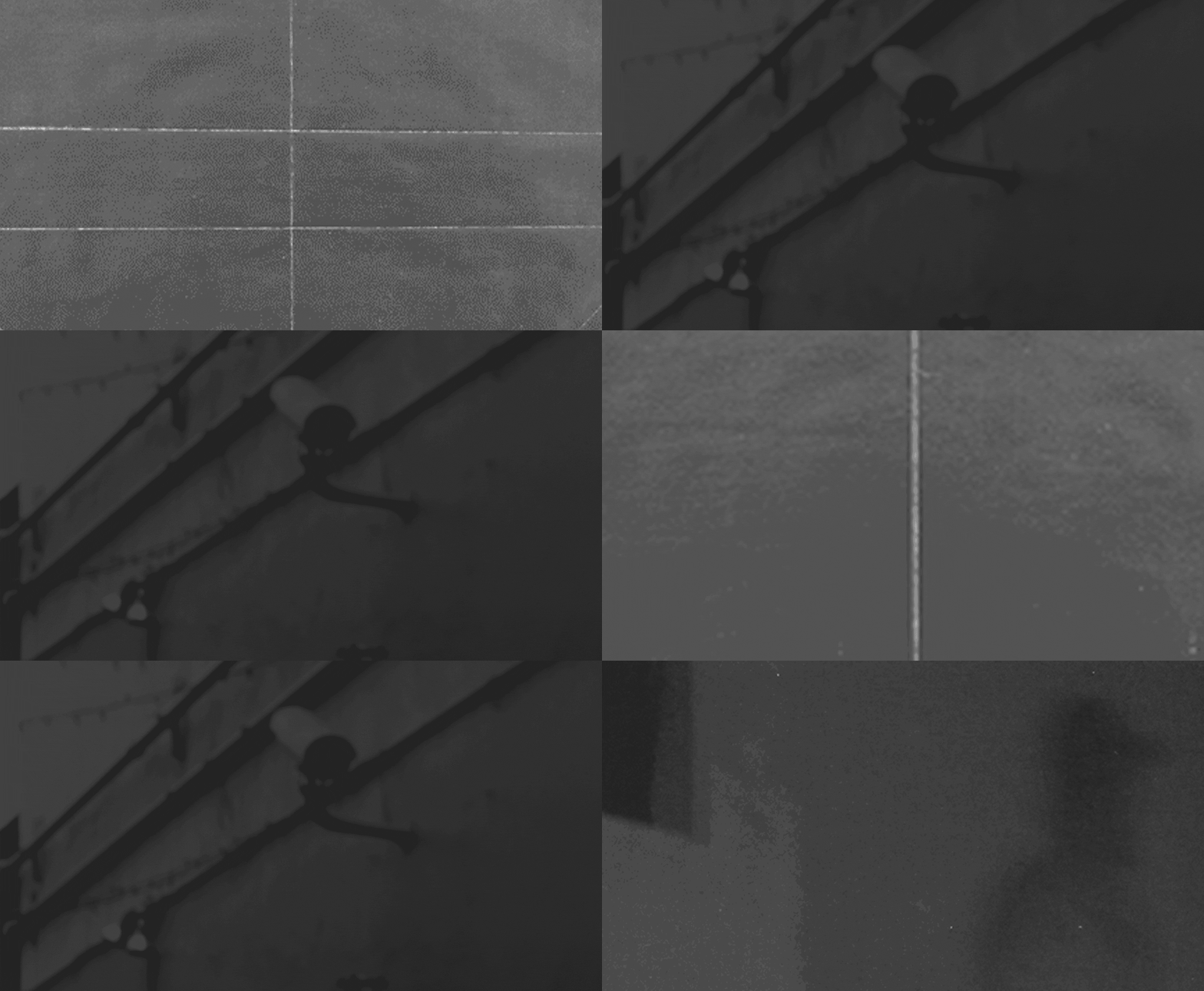
Nick Herman, Comm 1, 2017, GIF file (artwork © Nick Herman)
Candidates for CAA’s 2018 Board of Directors Election
posted by CAA — November 30, 2017
The CAA Board of Directors comprises professionals in the visual arts who are elected annually by the membership to serve four-year terms. Please read the CAA By-laws on Nominations, Elections, and Appointments for more information on the process.
As of January 3, 2018, voting is open! Scroll down to meet the candidates and cast your vote.
The deadline for voting is 6:00 p.m. (Pacific Time) on Thursday, February 22, 2018.
Meet the Candidates
The 2017–18 Nominating Committee has selected a slate of six candidates for election to the CAA Board of Directors for the 2018–22 term. Click the names of the candidates below to read their statements and resumes before casting your vote. The candidates are:
- Laura Anderson Barbata
- Audrey G. Bennett
- Dahlia Elsayed
- Alice Ming Wai Jim
- Richard Lubben
- Walter Meyer
About the Board
The Board of Directors is charged with CAA’s long-term financial stability and strategic direction; it is also the Association’s governing body. The board sets policy regarding all aspects of CAA’s activities, including publishing, the Annual Conference, awards and fellowships, advocacy, and committee procedures.
HOW TO VOTE
CAA members may vote for up to four (4) candidates, including one write-in candidate (who must be a CAA member). The four candidates receiving the most votes will be elected to the board. CAA members may cast their votes and submit their proxies online beginning in early January 2018; no paper ballots will be mailed. Please have your CAA user/member ID# and password handy when you are ready to vote.
Please fill out the form below to cast your vote. (Use the scroll bar on the right side of the form to scroll down, make your choices, and submit.)
Create your own user feedback survey
The results of the 2018 Board of Directors election will be announced at CAA’s Annual Business Meeting from 2:00 – 3:00 p.m. on Friday, February 23, at the 2018 Annual Conference in Los Angeles.
Questions? Contact Vanessa Jalet, executive liaison, at (212) 392-4434 or vjalet@collegeart.org
Richard Lubben
posted by CAA — November 30, 2017
 STATEMENT
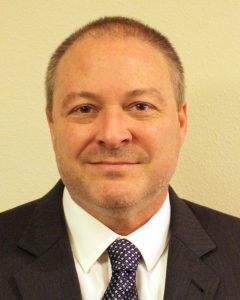
I believe the current and future direction of CAA should focus, in part, on how to remain relevant and supportive to our membership. This includes strengthening our online presence, and developing innovative programs to better support the participation and recruitment of international institutions and members. This direction also aligns with CAA’s commitment to diversity, and broadens the discussion and perspective on scholarship, pedagogy, curriculum and creative practice.
With a background in studio arts, and administrative experience as a community college Arts Dean, I would also advocate for more dialogue around some of the issues and challenges that might be specific to studio artists, community college faculty, and 2-year college administration. The CAA Board does not currently include a member representing community colleges; however, there are thousands of 2-year college individual members, and many more potential members associated with the nearly 1500 community colleges across the United States.
As a CAA Board member I would also offer my experience and passion for advocacy. One current challenge many colleges and universities are experiencing is how to effectively communicate and defend the value of art programs and curriculum in times of budget shortages, and changes in some state-level general education requirements. These types of challenges are especially relevant to many of our community college members, as well as colleges and universities struggling with declining enrollment.