
CAA News Today
Serve on a CAA Award Jury – Deadline Extended!
posted by CAA — April 05, 2018
CAA invites nominations and self-nominations for individuals to serve on eight of the thirteen juries for the annual Awards for Distinction for three years (2018–21). Terms begin in May 2018; award years are 2019–21. CAA’s fifteen awards honor artists, art historians, authors, curators, critics, and teachers whose accomplishments transcend their individual disciplines and contribute to the profession as a whole and to the world at large.
Candidates must possess expertise appropriate to the jury’s work and be current CAA members. They should not hold a position on a CAA committee or editorial board beyond May 31, 2018. CAA’s president and vice president for committees appoint jury members for service.
Jury vacancies for spring 2018:
- Charles Rufus Morey Book Award: two members
- Art Journal Award: one member
- Distinguished Feminist Award: one member
- Distinguished Teaching of Art Award: two members
- Distinguished Teaching of Art History Award: two members
- Artist Award for a Distinguished Body of Work: one member
- Distinguished Artist Award for Lifetime Achievement: one member
- CAA/American Institute for Conservation Award for Distinction in Scholarship and Conservation: one member
Nominations and self-nominations should include a brief statement (no more than 150 words) outlining the individual’s qualifications and experience and a CV (an abbreviated CV no more than two pages, may be submitted). Please send all materials by email to Aakash Suchak, CAA grants and special programs manager; submissions must be sent as Microsoft Word or Adobe PDF attachments. For questions about jury service and responsibilities, contact Tiffany Dugan, CAA director of programs and publications.
Deadline extended! New deadline is: Thursday, May 31, 2018.
News from the Art and Academic Worlds
posted by CAA — April 04, 2018
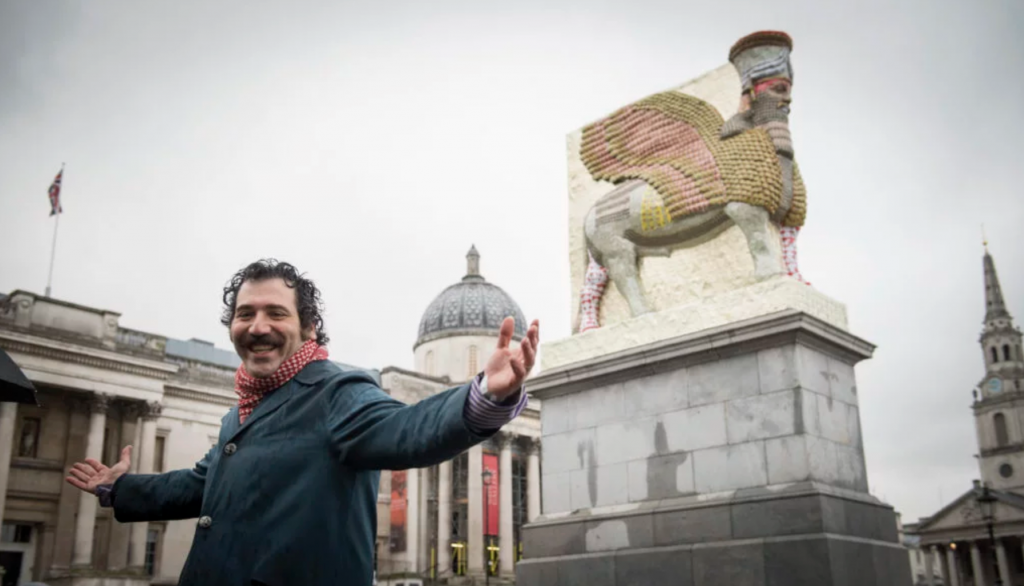
Michael Rakowitz in front of The Invisible Enemy Should Not Exist in Trafalgar Square. Photo by Caroline Teo, via artnet News.
Art’s Most Popular: Exhibition and Museum Visitor Figures 2017
The Art Newspaper’s just-published annual survey ranks the world’s most visited shows, reveals the most cultured city in the US, and explains the secrets behind naming a blockbuster. (The Art Newspaper)
Louvre Says “Non” to Minister’s Mona Lisa Grand Tour
France’s culture minister Françoise Nyssen initially proposed lending the work as a way to fight “cultural segregation.” (The Art Newspaper)
Tourist Attraction in Indonesia Rips Off Chris Burden, Yayoi Kusama, and Museum of Ice Cream
A tourism park in Indonesia aiming to be a destination for selfies is under fire for its attractions that copy widely recognized contemporary artworks. (Hyperallergic)
Why the City of Los Angeles Hired a “Chief Design Officer”
Christopher Hawthorne, The Los Angeles Times architecture critic since 2004, will become the city’s first chief design officer, a position offered to him by Mayor Eric Garcetti. (Hyperallergic)
The Ghost of Iraq’s Lost Heritage Comes to Trafalgar Square as Michael Rakowitz Unveils His Fourth Plinth Sculpture
The Iraqi-American artist unveiled his Fourth Plinth commission in London on March 28th. (artnet News)
John Baldessari Gets the Greatest Accolade of Them All – a Guest Turn on The Simpsons
John Baldessari has been the recipient of countless awards in the course of his long career. But last week, he received the highest honor of them all: a guest appearance on The Simpsons. (Apollo Magazine)
“Decentering Land Art from the Borderlands” on Art Journal Open
posted by CAA — April 04, 2018
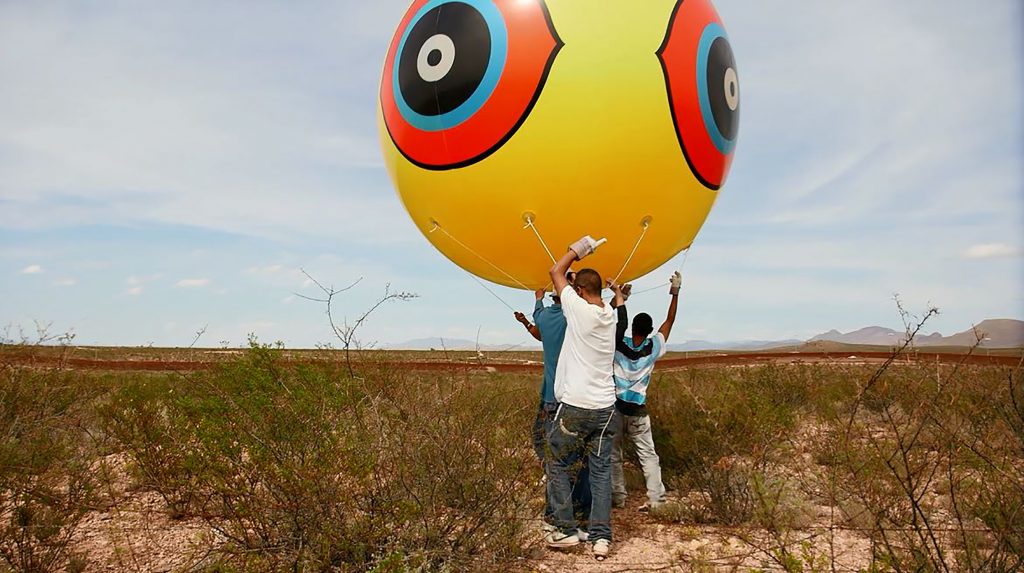
Through the Repellent Fence, 2017 (film still), dir. Sam Wainwright Douglas, 74 mins.
Just published on Art Journal Open, “Decentering Land Art from the Borderlands: A Review of Through the Repellent Fence” by Emily Eliza Scott presents a close look at the 2017 film Through the Repellent Fence, a documentary about the interdisciplinary collective Postcommodity. Scott examines Postcommodity’s practice, its relation to and divergences from Land art traditions, and the role of art along the US-Mexico border. Click here to read more.
Art Journal Open is a forum for the visual arts that presents artists’ projects, conversations and interviews, scholarly essays, and other forms of content from across the cultural field. Published by CAA, Art Journal Open is the online, open-access affiliate to Art Journal, a quarterly journal devoted to twentieth- and twenty-first-century art and art history.
Rejoin CAA in April and Get 25% Off Your Membership
posted by CAA — April 02, 2018
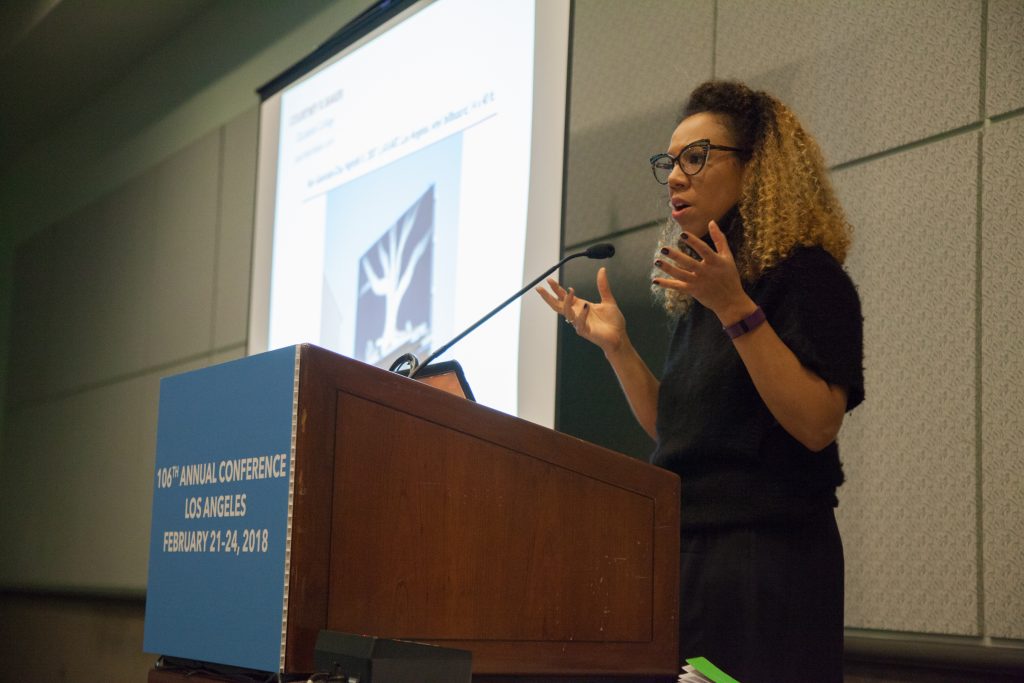
The CAA 106th Annual Conference in Los Angeles. Image by Rafael Cardenas
Has your CAA membership lapsed? Spring is the time to come back to CAA. Rejoin CAA during the month of April and get 25% off any Tiered membership level.
REJOIN NOW
We are working hard to add new member benefits all the time, like publisher discounts, hotel discounts, discounts on legal services, and website design and printing services. We are speaking out on behalf of the profession to ensure the visual arts remain strong and vibrant. We are making CAA the organization every professional in the visual arts must be part of.
Plan on participating in the 2019 Annual Conference, February 13-16, 2019? Submissions are due April 27, 2018.
Join your colleagues and fellow professionals in creating the programming for the largest gathering of art historians, artists, designers, curators, arts administrators, museum professionals, and others in the visual arts.
Now is the perfect time to rejoin and save.
Offer valid from April 1–April 30, 2018 to all individual lapsed members for a one-year membership. Log in to your CAA account to view the discount code. Code will be visible after log in from April 1–April 30, 2018.
Questions? Contact Member Services at 212-691-1051, ext. 1.
Justin Lincoln and Amy Alexander
posted by CAA — April 02, 2018
The weekly CAA Conversations Podcast continues the vibrant discussions initiated at our Annual Conference. Listen in each week as educators explore arts and pedagogy, tackling everything from the day-to-day grind to the big, universal questions of the field.
This week, Justin Lincoln and Amy Alexander discuss programming in the arts.
Justin Lincoln is associate professor in New Genres and Digital Art at Whitman College in Walla Walla, Washington where he is bringing the indie/DIY ethos to get his students involved with new media.
Amy Alexander is an associate professor in Visual Arts at UC San Diego. Her teaching bounces around the overlaps of tech art, public art, expanded cinema, and performance and is sprinkled with occasional bursts of unabashed geekery.
New in caa.reviews
posted by CAA — March 29, 2018
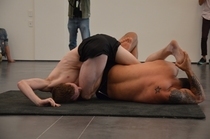
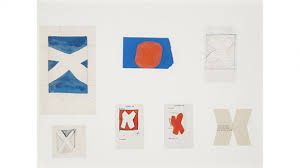
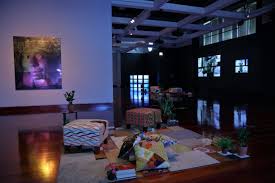
Amanda Douberley writes about Dwan Gallery: Los Angeles to New York, 1959-1971 by James Meyer. Read the full review at caa.reviews.
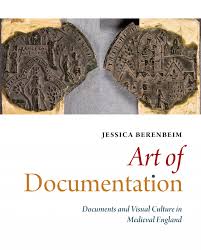
Laura Cleaver discusses Art of Documentation: Documents and Visual Culture in Medieval England by Jessica Berenbeim. Read the full review at caa.reviews.
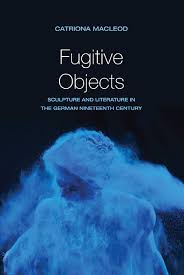
Julia Peters reviews Fugitive Objects: Sculpture and Literature in the German Nineteenth Century by Catriona MacLeod. Read the full review at caa.reviews.
Karin Zitzewitz examines Visions from India by The Pizzuti Collection and Greer Pagano. Read the full review at caa.reviews.
Alessandra Raengo looks at the exhibition Mickalene Thomas: Mentors, Muses, and Celebrities at Spelman College Museum of Fine Art. Read the full review at caa.reviews.
Lauren Rosenblum discusses the exhibition Between Land and Sea: Artists of the Coenties Slip at the Menil Collection. Read the full review at caa.reviews.
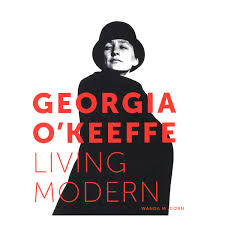
Susan Danly reviews Georgia O’Keeffe: Living Modern by Wanda M. Corn. Read the full review at caa.reviews.
Tanja Klemm explores Strange Tools: Art and Human Nature by Alva Noë. Read the full review at caa.reviews.
Sandra Zalman writes about the exhibition Sol LeWitt: Glossy and Flat Black Squares at Rice University Art Gallery. Read the full review at caa.reviews.
Anya Pantuyeva examines Mi Tierra: Contemporary Artists Explore Place by Rebecca R. Hart. Read the full review at caa.reviews.
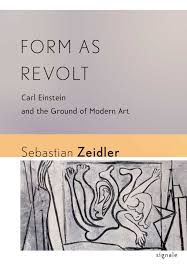
Charlie F. B. Miller analyzes Form as Revolt: Carl Einstein and the Ground of Modern Art by Sebastian Zeidler. Read the full review at caa.reviews.
Harper Montgomery writes about the exhibition Embodied Absence: Chilean Art of the 1970s Now at the Carpenter Center for the Visual Arts at Harvard University. Read the full review at caa.reviews.
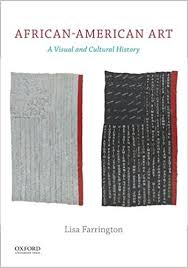
Phoebe Wolfskill reviews African-American Art: A Visual and Cultural History by Lisa Farrington. Read the full review at caa.reviews.
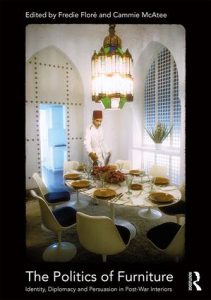
Mark Hinchman explores The Politics of Furniture: Identity, Diplomacy and Persuasion in Post-War Interiors edited by Fredie Floré and Cammie McAtee. Read the full review at caa.reviews.
Ariel Osterweis looks at The Off-Staging of William Forsythe’s Dance in the Museum. Read the full review at caa.reviews.
Two Sessions at February’s CAA Conference Introduced Topics for the Next International Congress for the History of Art (CIHA)
posted by CAA — March 29, 2018
Paul B. Jaskot, professor of art, art history, and visual studies at Duke University, contributed the following article about upcoming opportunities for CAA members to participate in international art history conferences. Professor Jaskot is a member of the National Committee for the History of Art (NCHA) and a past president of CAA (2008-10).
At the 2018 CAA Annual Conference in Los Angeles, two exciting sessions addressed the theme of international “mobilities” in art history, presenting new research related to Brazil and Italy (and their artistic diasporas). Organized by members of the National Committee for the History of Art (NCHA), each session took up the general topic of mobilities, which will be the organizing concept for the upcoming International Congress for the History of Art. The congress is sponsored by the International Committee of the History of Art (CIHA), of which NCHA is the US affiliate. NCHA acts as representative body to connect the international committee’s work with CAA and its members to sustain the global exchange of art historical work.
In an unusual format, CIHA has approved two official conferences—together comprising the International Congress—developing this theme in order to emphasize the nature of movement and art over time and space. The 2019 meeting will take place in Florence, Italy, and the 2020 meeting will convene in São Paulo, Brazil.
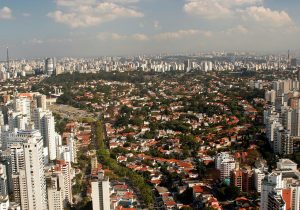
São Paulo, Brazil. Photo: Ana Paula Hirama/Flickr, via Wikimedia Commons
In the same spirit, NCHA decided to sponsor two sessions at the CAA Annual Conference to raise awareness of the upcoming conferences as well as begin to develop US participation. The first session, chaired by Jeanette Favrot Peterson, was entitled “Mobilities: Brazil and Beyond” while the second session, chaired by Elizabeth Cropper focused on “Mobilities: Italy and the New World.” The Brazil session featured Brazilian speakers (including representatives to CIHA) on topics that particularly interpreted mobility as migration in/through Brazil, from the ancient world through contemporary art history and across diverse media. In a complementary but distinct emphasis, the Italian session centered on spatial representations and movements of objects and individuals between Italy and the Americas; like its counterpart, the session had an expansive chronological focus and range of media, from maps to Modernist architecture. In both cases, the sessions emphasized the importance of scholarly exchange between US art historians and the international community, a crucial goal of CIHA, NCHA, and indeed CAA itself, especially through the work of its International Committee and the CAA-Getty International Program.
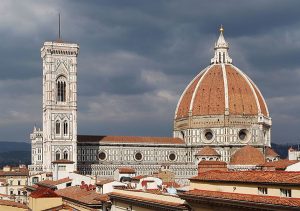
Florence, Italy. Photo: Felix König, via Wikimedia Commons
Art historians interested in these exchanges can get involved now with the ongoing dialogue. The Call for Chairs for the Florence CIHA 2019 conference has been posted and is open to all (Deadline: April 15, 2018); the Italian Committee has chosen the theme of “Motion: Transformation” as its interpretation of the broader focus on mobilities. The chair selection will be followed by a Call for Papers in Fall 2018. The Brazilian Committee will first issue a Call for Sessions between October and December 2018; the Call for Chairs will be issued in February 2019; the Call for Papers will take place between May and August 2019 with the final program being posted in October 2019. NCHA is developing programming for the CAA 2019 Annual Conference to advertise these conferences and encourage US participation. Stay connected with NCHA and check out the CIHA website for further information! We will continue to post updates in CAA News as well.
CIHA is the oldest continuously held art history conference in the world. In addition to its congresses held every four years, it also sponsors colloquia: more focused gatherings around particular art historical themes that are sponsored by its national committees. On November 27-30, 2018, India will be holding its first colloquium on the topic of “Art, Design, and Society.” Note that the Call for Papers closes May 7, 2018, so there is still time to participate in this conference. Following this, Japan will be organizing another colloquium in 2019 titled “Towards the Future: Museums and Art History in East Asia.” More information will be available as details are finalized. As the colloquia and the congress indicate, there are many opportunities for US art historians to get involved with these international exchanges of ideas.
News from the Art and Academic Worlds
posted by CAA — March 28, 2018

Poster by De’Janae Gilliam for March for Our Lives. Courtesy Amplifier.
Each week CAA News summarizes articles, published around the web, that CAA members may find interesting and useful in their professional and creative lives.
Duty to Protect
California Supreme Court has determined public colleges in the state must warn and shield their students from potential violent acts. Experts say the ruling could have nationwide implications. (Inside Higher Ed)
London Arts and Textiles Educator Named ‘World’s Best Teacher’
Andria Zafirakou, who teaches at a northwest London community school in one of the poorest areas in the country, is the first British winner of the annual Global Teacher Prize. (The Guardian)
Centuries Later, People Still Don’t Know What to Make of Las Meninas
Scholars have been analyzing Diego Velázquez’s 1656 painting for over three centuries, and still haven’t settled on its meaning. (Artsy)
Cy Twombly’s Extravagant Synesthesia
“Rosalind Krauss misreads Twombly in more ways than I can enumerate.” Read John Yau’s take. (Hyperallergic)
These Are the Posters Students Carried at the March for Our Lives
The art and activism organization Amplifier gave away more than 40,000 posters nationwide. (CNN)
ACLU Files Art Censorship Lawsuit against the City of New Orleans
The ACLU alleges the city’s onerous process for getting approval for murals violates the right to free expression. (The Art Newspaper)
Jolene Powell and Richard Danford
posted by CAA — March 26, 2018
The weekly CAA Conversations Podcast continues the vibrant discussions initiated at our Annual Conference. Listen in each week as educators explore arts and pedagogy, tackling everything from the day-to-day grind to the big, universal questions of the field.
This week, Jolene Powell and Richard Danford discuss teaching study abroad.
Jolene Powell is McCoy Professor of Art and Director of Gallery 310 at Marietta College teaching courses in all levels studio art in drawing, painting, printmaking, and occasional special topics classes. Her favorite learning opportunities happen when she can take students to actual artwork and add an experiential components to her classes.
Richard Danford is Vice-President for Student Life at Marietta College, where he previously served as associate professor of Spanish and Portuguese. He spent two years living in Madrid, where he taught English and pursued doctoral coursework in Spanish linguistics. He has led multiple short-term study abroad courses to both Spain and Brazil, focusing on everything from language to civilization and culture to human geography to the Masters of Spanish Painting.
New in caa.reviews
posted by CAA — March 23, 2018
Susanna Temkin reviews Adiós Utopia: Art in Cuba Since 1950 edited by Ana Clara Silva and Eugenio Valdés Figueroa. Read the full review at caa.reviews.
Namiko Kunimoto writes about Bachelor Japanists: Japanese Aesthetics and Western Masculinities by Christopher Reed. Read the full review at caa.reviews.
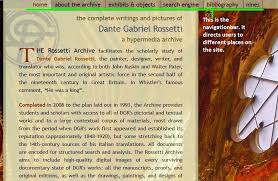
Anne Helmreich explores The Complete Writings and Pictures of Dante Gabriel Rossetti, freely distributed by IATH and the NINES consortium under a Creative Commons License, www.rossettiarchive.org, edited by Jerome J. McGann. Read the full review at caa.reviews.
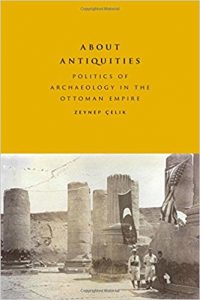
Cecelia Feldman examines About Antiquities: Politics of Archaeology in the Ottoman Empire by Zeynep Ҫelik. Read the full review at caa.reviews.
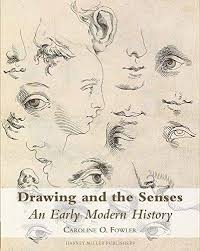
David Karmon writes about Drawing and the Senses: An Early Modern History by Caroline O. Fowler. Read the full review at caa.reviews.
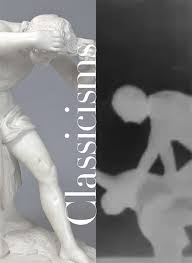
Nina Dubin discusses Classicisms edited by Larry F. Norman and Anne Leonard. Read the full review at caa.reviews.
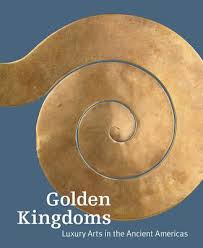
Manuel Aguilar-Moreno reviews the exhibition catalogue Golden Kingdoms: Luxury Arts in the Ancient Americas edited by Joanne Pillsbury, Timothy F. Potts, and Kim N. Richter. Read the full review at caa.reviews.
John Muse writes about the exhibition Yoonmi Nam: Still at The Print Center in Philadelphia. Read the full review at caa.reviews.
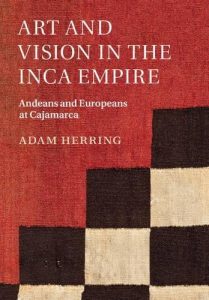
Meghan Tierney reviews Art and Vision in the Inca Empire: Andeans and Europeans at Cajamarca by Adam Herring. Read the full review at caa.reviews.
Naraelle Hohensee explores the Heilbrunn Timeline of Art History, a digital resource of the Metropolitan Museum of Art. Read the full review at caa.reviews.
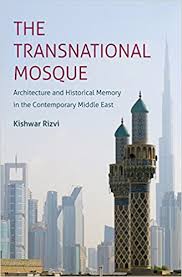
Emily Neumeier discusses The Transnational Mosque: Architecture and Historical Memory in the Contemporary Middle East by Kishwar Rizvi. Read the full review at caa.reviews.