CAA News Today
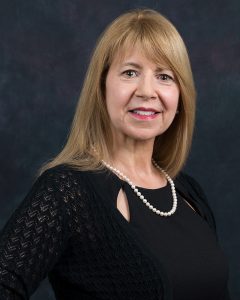
Robin Landa
posted by CAA — December 03, 2019
STATEMENT
It’s been a good number of years since that brisk January morning when I had my first interview for a full-time teaching position at the CAA conference career center. What would be my first of dozens of annual conferences was dizzying — I was surrounded by so many others who also were passionate about the disciplines that fueled me. At that early stage of my career, I hadn’t realized I was beginning a lifelong relationship with a multifaceted arts organization.
As a senior faculty member at Kean University, where I hold the title of Distinguished Professor in the Michael Graves College, and through my role as a Co-Chair of Design Incubation, I have dedicated a great deal of time to mentoring junior faculty. Engaged inquiry enhances my career; I work to ensure others can pursue their research interests productively, as well as connect scholarship and teaching. At Kean University, I actively guide junior faculty through reappointment and tenure, usher their career pursuits of scholarship, and introduce them to editors, agents and arts organizations, such as CAA, Design Incubation, AIGA, and the One Club, among others. At Design Incubation, I work with our Research Fellows during our annual program and beyond to encourage and facilitate their projects.
With extensive graduate coursework in art history, a Master of Fine Arts in painting, a graphic design practice, and twenty-three published books and numerous articles, I am in a unique position to understand how visual artists, art historians, designers and educators can collaborate and cross pollinate. Publishers have translated many of my books into Spanish, Chinese and Russian, including Graphic Design Solutions, 6th ed., Advertising by Design, 3rd ed., Draw!, and Nimble: Thinking Creatively in the Digital Age. Many of my published articles bridge the divide between visual arts disciplines and draw upon other arts, such as dance, literature, and music. Whether fostering T-shape thinking in the classroom, or prompting colleagues to utilize a bisociative framework, I seek to expand ways to interpret the world.
For years, I have worked relentlessly to foster inclusion and diversity in the graphic design and advertising professions. I received a Human Rights Educator award for my work with The Enough Project.
I want to represent all disciplines, widen reach, foster tolerance, and increase understanding to help guide the future direction of CAA. Empowerment of members. Advocacy. Diversity. Inclusion. Access. I hope to take a lead on these urgent issues, providing lifetime career contexts for members, working towards CAA’s goals.
For CAA to stay agile, we must focus on dynamic career demands and how culture, technology and the global economy are transforming the visual arts professions. Such transformations deserve vigorous debate. Through greater outreach to designers, art directors, architects, and educators and building affiliations, we can establish wider participation and greater engagement. As a design educator, an artist, author, a chair of Design Incubation, and faculty mentor, promoting the visual arts comes naturally to me. I hope you will allow me to enlarge my lifelong relationship with CAA.
Tiffany Holmes
posted by CAA — December 03, 2019

STATEMENT
I am an artist, scholar, educator, and administrator. I currently serve as the Vice Provost of Undergraduate Studies at the Maryland Institute College of Art.
Over my 20-year career in the arts, CAA has inspired my own professional development and intellectual engagement with peers. I attended my first annual CAA conference in New York in 1999 to interview for teaching positions. When I walked through the revolving doors of the Midtown Hilton for the first time, I felt the surge of energy that comes with the conference kick off and the anticipation of reconnecting with friends—and I look forward to that lobby energy every time I return. I’m honored to be nominated to join the Board of Directors so that I might help advocate for the vital role of the arts in society given the challenges facing higher education.
I worked as a Professor of Art and Technology Studies for eleven years at the School of the Art Institute of Chicago before I took on a dean role for the next seven. For those of us in my generation, we have witnessed some of the most important technological breakthroughs of the history of the planet. We can remember a world with rotary phones, floppy disks, and Commodore 64s. Most of our college students cannot. The “iGen” of the developed world connects and shares globally at all hours. This generation of future scholars and educators is demanding that institutions steeped in privilege adapt rapidly to provide more equitable hiring practices as well as more inclusive forms of teaching. This is CAA’s moment to shine and utilize technology to facilitate learning communities, provide key resources and professional development opportunities to its academically affiliated and independent members around the world. The annual conference is wonderful but there may be further opportunities for dialogue to produce more empathetic teaching strategies, advocacy groups, and community partnerships.
For the last eight years, my work has been concentrated in academic leadership; I have a solid track record directing complex initiatives with limited resources: a Scientist-In-Residence program at an art school, an honors or “scholars” concentration with a global learning component, an interdisciplinary professional practice curriculum, and soon, a research center and new curriculum in creative entrepreneurship for artists and designers. I care deeply about the future of art and design education as well as the urgent need to retain a liberal arts focus in higher education. We must work collectively to develop evidence of the immense value provided by an art history or studio degree. I would welcome the opportunity to bring my considerable professional experience and capacity for listening to serve the CAA community.
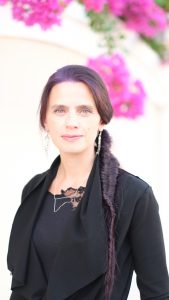
Janet Bellotto
posted by CAA — December 03, 2019
STATEMENT
As a Canadian artist, educator and creative initiator working internationally, in my professional practice, as well as in my academic roles, I advocate and facilitate building connections between people and places—particularly cross-cultural explorations within international contexts. This is the international perspective that I will bring to the CAA Board of Directors.
Over the past two decades I have assembled an international network of peers comprising academics, artists, designers, architects and industry specialists, along with important stakeholders who have contributed to innovative strategizing. I believe my experience and my advocacy of a multidisciplinary and international approach demonstrates my passionately held commitment to the issues in which I am engaged. These include women in the arts, cultural diversity and exchange, as well as ecological issues in my own practice. I look forward to engaging my network through collaborations and potentially facilitate more international exchange at CAA. Working in the Gulf / West Asia, it has been crucial to discuss and promote cultural awareness and the importance globally for inclusion while also decolonizing the curriculum. How can we as educators work positively together for a more inclusive tomorrow that also takes into consideration future generations? How can CAA become a resource globally, for promoting new dialogues? The world needs more platforms for exchange to counter fear and build trust across cultures. CAA should be such a platform promoting cultural collaboration and understanding.
Currently, I am a Professor in Visual Arts at the College of Arts and Creative Enterprises, Zayed University, Dubai. Throughout my time in the United Arab Emirates I have contributed to the development of the art community and to the education of emerging artists here, accomplishing significant milestones as I engaged the opportunity to build, imagine and support this vision. I have been a member of CAA since 1999 and have seen the association expand its strength in advocacy and intellectual engagement. One of its ongoing milestones is its drive towards inclusivity to grow the diversity in its membership.
I see CAA playing a larger role internationally, in particular to achieve its vision of supporting all professionals whether academic or practitioners, across all areas of the arts, design and architecture, while strengthening a diverse membership of art historians globally. It must also continue to look at new models, to engage emerging professionals, and strengthen communication and opportunities throughout the year. Interdisciplinary, multi-voiced approaches need to be strengthened, along with creating various virtual channels of communication that can attract the next generation of CAA that ideally will be more global.
Through team efforts, cultural and intellectual exchange as well as building connections between international and local artists, designers, art historians (and more) are initiatives I will contribute towards. I see these as essential for building a future of CAA that is more inclusive internationally. However, these cannot be accomplished in silos and I want to listen to the members, their ideas and see how I can help foster them.
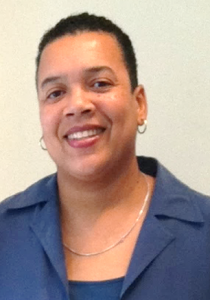
Mora J. Beauchamp-Byrd
posted by CAA — December 03, 2019
STATEMENT
I am an art historian, curator and arts administrator, and I have been a member of CAA since 1994. I am currently a Visiting Professor of Art History at Oklahoma State University (OSU), and I have also taught at Duke University, Spelman College and Xavier University of Louisiana (where I also served as Curator of the University art collections). I have benefitted from CAA’s programming and publications throughout every phase of my career, from exploring doctoral programs in CAA’s Graduate Programs in Art History guides to The Art Bulletin and The Art Journal, which have long been a key source of scholarly currency for me, as well as for my students. I have attended CAA Conferences since the early 1990s, and they continue to function as opportunities for networking, for engaging with new scholarship both within and beyond my areas of specialization, and for re-connecting with treasured colleagues and friends in the field.
If elected to the Board, I would focus on devising strategies for addressing diversity-based disparities in faculty hiring and tenure processes, as well as in leadership positions at museums; mentoring students and emerging scholars that are preparing for conference presentations, and preparing their texts for publication; meeting the needs of emerging scholars and/or non-tenure-track faculty; facilitating greater interdisciplinary engagements with fields like Comics Studies at the Annual Conferences; and assisting staff members tasked with caring for art collections at University-based archives and libraries. I am also focused on developing institutional partnerships that provide students with valuable professional experiences. At Spelman College, I developed a project that enabled Curatorial Studies students to engage with the art collections held by the Atlanta University Center (AUC) Library and Archives, culminating in publication of the students’ interpretive texts in Art Papers magazine. As curator of an exhibition entitled Little Nemo’s Progress: Animation and Contemporary Art (currently on view at the OSU Museum of Art), I assembled a Student Curatorial Team to provide Art History, Graphic Design and Museum Studies students with curatorial research and exhibition design experience.
I have had more than thirty years of administrative, curatorial, fundraising and public programming experience at The Amistad Research Center; The Bronx Museum of the Arts; The Caribbean Cultural Center; The Sterling and Francine Clark Art Institute; the Museum of the City of New York, The Studio Museum in Harlem and other institutions. Having worked in such a broad range of cultural environments has provided me with unique insight into the tremendous potential for CAA’s mission, advocacy and programmatic initiatives. It would be an honor to serve with my colleagues as a CAA Board member, actively seeking ways to address the scholarly and professional development-based needs of current and future members of CAA.
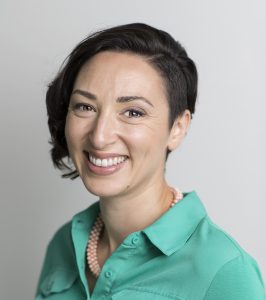
STATEMENT
My name is Lara Ayad, and I am an Assistant Professor of Art History at Skidmore College in upstate New York. I specialize in the arts of Africa, with a focus on modern Egyptian art – both topics which many people either misunderstand, or know little about. Just as I use my teaching and research to challenge stereotypes of a “primitive” African art, I envision service on the College Art Association’s Board of Directors as a prime avenue for shifting the state of art historical study.
CAA is one of the key global institutions to disseminate and shape the stories people tell about art and its meaning. I look forward to bringing a wider range of sociopolitical perspectives on issues of gender, race, and class inequalities into the influential fold of CAA’s emerging work. My current teaching and research at Skidmore College deal critically with canons of art and the role they play not only in historicizing and categorizing African art, but also in racializing art of the continent. I analyze modern Egyptian art by pairing a sociohistorical approach with an intersectional feminist lens, as well as a unique focus on fine art representations of Egyptian and Sudanese masculinity created between the World Wars. If assigned as a Board liaison to the Committee on Diversity Practices, I would help to enhance CAA’s international reach and the ability of its membership outside the United States to help achieve institutional goals. My ongoing connections with historians, practitioners, and curators of art from Africa and the Middle East will also carry out CAA’s Strategic Plan by helping to build the organization’s global profile at the decision-making level.
CAA’s well-respected annual conference and peer-reviewed publications provide scholars, artists, and critics worldwide with a window onto some of the most pressing issues in the visual arts and museum fields today. I will use my position as a new Assistant Professor at a small liberal arts college to serve the organization’s mission of supporting its membership, particularly junior scholars and students currently working in an arts field that is undergoing rapid changes. And as a Board member, I would welcome the chance to devote time and resources to work with the Committee on Students and Emerging Professionals to develop the Strategic Plan’s proposed online mentorship program and look forward to exploring the possibilities of a professional-development webinar series or online streaming sessions.
Although I have only begun my career less than two years ago, my collaborative service experience in personnel, admissions, research program, museum curatorial, and curricular decisions equip me with the skills needed to serve on the Board of Directors. Over the past year, I have served on the Skidmore Art History Department’s search committee for a tenure-track faculty member in Renaissance and Medieval art and represented the department at major admissions events. Part of my role as an Art History faculty member has been to assess the effectiveness of general education requirements in order to collaborate and plan for future general education program developments at the departmental and college-wide levels. In 2017, I co-chaired a panel on art exhibitions in Egypt and South Africa for the Arts Council of the African Studies Association’s 17th Triennial Symposium held in Ghana. Part of my time as a graduate student at Boston University was spent collaborating with my cohort from other departments in order to create the vision, goals, and program for the African Studies Center’s Annual Graduate Student Conference. Furthermore, I am familiar with the duties, concerns, and needs of art museum and gallery curators who make up an important part of the CAA community because I regularly work with curators and staff at Skidmore’s Frances Young Tang Teaching Museum to fully integrate the art collection in course research and pedagogical objectives. I have also served as Assistant to the Director of the Sharjah Art Gallery at the American University in Cairo in order to help create curatorial, publication, and public relations programs between 2014 and 2015. My role as the new television host for WMHT’s AHA! A House for the Arts will also be an opportunity to connect with artists and curators working in the New England and upstate New York region, and I look forward to the possibility of developing CAA’s community outreach in this local arts scene.
Announcing N. Elizabeth Schlatter as President-Elect of CAA
posted by CAA — November 11, 2019
 We’re delighted to announce that N. Elizabeth Schlatter was elected at our October Board meeting as the new President of the CAA Board of Directors. She will succeed Jim Hopfensperger and serve a two-year term beginning May 1, 2020.
N. Elizabeth Schlatter is Deputy Director and Curator of Exhibitions at the University of Richmond Museums, Virginia. A museum administrator, curator, and writer, she focuses on modern and contemporary art and on topics related to curating and issues specific to university museums. At UR, she has curated more than 20 exhibitions, including recent group exhibitions of contemporary art such as “Crooked Data: (Mis)Information in Contemporary Art,” “Anti-Grand: Contemporary Perspectives on Landscape,” and “Art=Text=Art: Works by Contemporary Artists,” She also serves on and chairs various University and School of Arts & Sciences committees. Prior to the University of Richmond, she worked with exhibitions at the Smithsonian Institution Traveling Exhibition Service (SITES) in Washington, D.C, and in fundraising at the Contemporary Arts Museum, Houston. She is author of Museum Careers: A Practical Guide for Novices and Students (Left Coast Press, Inc.) and a contributor to A Life in Museums: Managing Your Museum Career (American Association of Museums). She has a B.A. in art history from Southwestern University in Texas, and an M.A. in art history from George Washington University.
Prior to this elected position, Schlatter was completing a 4-year term as a CAA board member, elected in February 2016. During that time, she served as Vice President for Annual Conference for two years, and in 2019 she served on the Nominating Committee and the Strategic Plan Task Force. She jointly initiated and assisted with the development of CAA’s Resources for Academic Art Museums Professionals (RAAMP), and prior to joining CAA’s board, she was chair of the Museum Committee.
Announcing New CAA Board Appointments
posted by CAA — May 14, 2019
We’re delighted to announce new officer appointments for the following individuals on CAA’s Board of Directors.


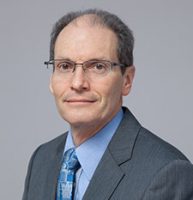
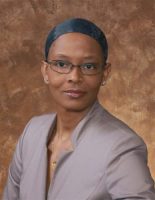

Left to right: Alice Ming Wai Jim, Melissa Potter, Peter Lukehart, Audrey G. Bennett, and Colin Blakely.
Alice Ming Wai Jim, Vice President for External Relations
Professor, Concordia University Research Chair, Montreal
Melissa Potter, Vice President for Annual Conference & Programs
Associate Professor, MFA, Columbia College Chicago
Peter Lukehart, Vice President for Publications
Associate Dean, Center for Advanced Study in Visual Arts, National Gallery of Art
Audrey G. Bennett, Vice President for Diversity and Inclusion
Professor, University of Michigan
Colin Blakely, Secretary
Director and Professor, School of Art, University of Arizona
About the Board of Directors
The Board of Directors is charged with CAA’s long-term financial stability and strategic direction; it is also the Association’s governing body. The board sets policy regarding all aspects of CAA’s activities, including publishing, the Annual Conference, awards and fellowships, advocacy, and committee procedures.
Lynne Allen, Niku Kashef, Ugochukwu-Smooth C. Nzewi, and Jennifer Rissler were elected to the board earlier this year.
Meet the New CAA Board Members
posted by CAA — February 21, 2019
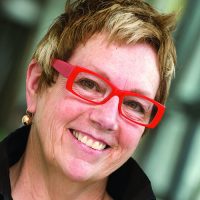
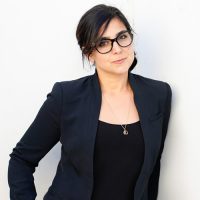

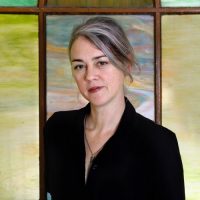
The results of the 2019 CAA Board of Directors Election and Proposed Changes to CAA’s By-Laws were presented at the CAA Annual Business Meeting, Part II on Friday, February 15 at 2:00 PM at the 107th CAA Annual Conference in New York.
We are grateful to all the candidates who put forward their names for consideration this year. Six candidates were selected for election by the 2018-19 Nominating Committee for a four-year term running from 2019–23.
CAA Board of Directors Election
We congratulate Lynne Allen, Niku Kashef, Ugochukwu-Smooth C. Nzewi, and Jennifer Rissler on their election by CAA membership to the CAA Board of Directors.
Read more about the new board members:
Lynne Allen statement and resume
Niku Kashef statement and resume
Ugochukwu-Smooth C. Nzewi statement and resume
Jennifer Rissler statement and resume
About the Board of Directors
The Board of Directors is charged with CAA’s long-term financial stability and strategic direction; it is also the Association’s governing body. The board sets policy regarding all aspects of CAA’s activities, including publishing, the Annual Conference, awards and fellowships, advocacy, and committee procedures.
Proposed Changes to CAA’s By-Laws
The proposed amendments to the bylaws were adopted by 81% of the voting membership, and those changes will go into effect immediately. Read more about the changes here.
Thank you to all those who voted!
Ugochukwu-Smooth C. Nzewi
posted by CAA — December 12, 2018
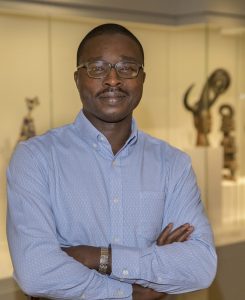
STATEMENT
I am an artist, art historian, and a museum curator, and active internationally. Although I have mostly been involved with the CAA annual conference as a participant, I am eager to contribute strongly to the activities of the Association. It is important that foreign-born minorities such as myself take on more active role. I came to the United States in 2007 for graduate studies and while I have since established myself as a museum curator, I know first-hand the indignity of being perceived as an outsider, the mental agony, physical and psychological struggle to fit-in in a new environment. I believe that several CAA members can relate to this experience.
The CAA has made significant strides in the last few years in expanding and creating a robust sense of belonging for different segments of its membership. I want to contribute in fulfilling and furthering its mission, goals, and priorities. Under these uncertain times of resurgent nativism and nationalism, the Association serves as a moral compass and a credible voice of advocacy on a range of critical issues impacting our world today. As a Green Card holder, it was heartening to note the CAA’s timely response to the presidential executive order in February 2018 preventing immigrants and visitors from selected countries from coming to the United States, as well as its sustained advocacy in the face of the Supreme Court’s decision to uphold the travel ban in June 2018. This order not only restricts the movement of some of our members and the wider body of art professionals but that of regular folk.
If elected to the CAA Board, I will focus my attention on (but not limited to) mentoring emerging scholars, artists, and museum professionals. Based on my personal experience, the importance of guidance and mentorship especially at the beginning of one’s professional career cannot be overemphasized. As an artist myself, I will represent the interests of artists. In the last few years, the CAA has taken progressive steps in enhancing the participation of historically underrepresented groups in its membership and being a strong voice for diversity around the country. More can still be done. I will contribute to strengthening initiatives that eliminate structural barriers that impede diversity in our museums and similar institutions. In addition, I will contribute to actionable plans that can better serve the needs of our foreign-born colleagues and/or those who live outside of the United States whose experiences may not always be considered when developing strategies, creating content and programming for our esteemed Association.
The French-government recently released a report on the restitution of (African) objects in French museums. Based on the content and responses that this report has generated so far, it is apparent that it is a game-changer and portends ramifications beyond France and Europe. How CAA responds to this potential earthquake that could remarkably reshape art history and the museum world in near and far terms is yet to be seen. As an African-born museum professional working in an American institution, I hope to contribute in devising practical ideas and actionable plans that will take the interests of various stakeholders into account but which, ultimately, will address historical injustices wherever they are found.
Vote for CAA’s 2019 Board of Directors and Proposed By-Law Changes
posted by CAA — December 10, 2018
As a CAA member, voting is one of your most important responsibilities in shaping the future of the organization. Thank you for taking the time to vote.
For 2019, there are two items to vote on: the 2019 CAA Board of Directors Election and Proposed Changes to CAA’s By-Laws.
Scroll down to learn more and submit your online voting form.
2019 CAA Board of Directors Election
The CAA Board of Directors comprises professionals in the visual arts who are elected annually by the membership to serve four-year terms. The Board is charged with CAA’s long-term financial stability and strategic direction; it is also the Association’s governing body. The board sets policy regarding all aspects of CAA’s activities, including publishing, the Annual Conference, awards and fellowships, advocacy, and committee procedures. For more information, please read the CAA By-laws on Nominations, Elections, and Appointments.
Meet the Candidates
The 2018–19 Nominating Committee has selected a slate of six candidates for election to the CAA Board of Directors for the 2019–23 term. Click the names of the candidates below to read their statements and resumes before casting your vote. The candidates are:
CAA members may vote for up to four (4) candidates, including one write-in candidate (who must be a CAA member). The four candidates receiving the most votes will be elected to the board.
CAA members must cast their votes for board members and submit their proxies online using the form below; no paper ballots will be mailed. The deadline to vote for the board is 6:00 PM (Eastern Time) on Thursday, February 14, 2019.
Proposed Changes to CAA’s By-Laws
In addition, on November 16, 2018, the CAA Board of Directors voted to recommend that the membership amend the Association’s By-laws, as described here by Jim Hopfensperger, CAA president, and Hunter O’Hanian, CAA chief executive officer and executive director. Click here to review the proposed changes before voting.
To vote on the proposed changes, CAA members may either cast their votes online using the form below or in-person at the 2019 Annual Conference.
Submit Your Vote Below
You can use the form below to vote for both the 2019 CAA Board of Directors Election and Proposed Changes to CAA’s By-Laws. Please have your CAA user/member ID# and password handy when you are ready to vote.
Use the scroll bar on the right side of the form to scroll down, make your choices, and submit.
The election results will be announced at CAA’s 107th Annual Conference during the second segment of the Annual Business Meeting scheduled from 2:00 PM to 3:30 PM on Friday, February 15, 2019 in the Hudson Suite at The New York Hilton Midtown.
Questions? Contact Vanessa Jalet, executive liaison, at (212) 392-4434 or vjalet@collegeart.org