CAA News Today
International News: “My World Now Is Black in Color:” Pandemic-Era Programming, Anti-Racist Activism, and Contemporary Art in Italy
posted by CAA — August 11, 2020
The following article was written in response to a call for submissions by CAA’s International Committee. It is by Tenley Bick, Assistant Professor of Global Contemporary Art, Department of Art History, Florida State University, and the 2019–20 Scholar in Residence at Magazzino Italian Art Foundation, New York. A related essay, “Ghosts for the Present: Countercultural Aesthetics and Postcoloniality for Contemporary Italy,” will be included in an edited volume forthcoming from Lexington Books.
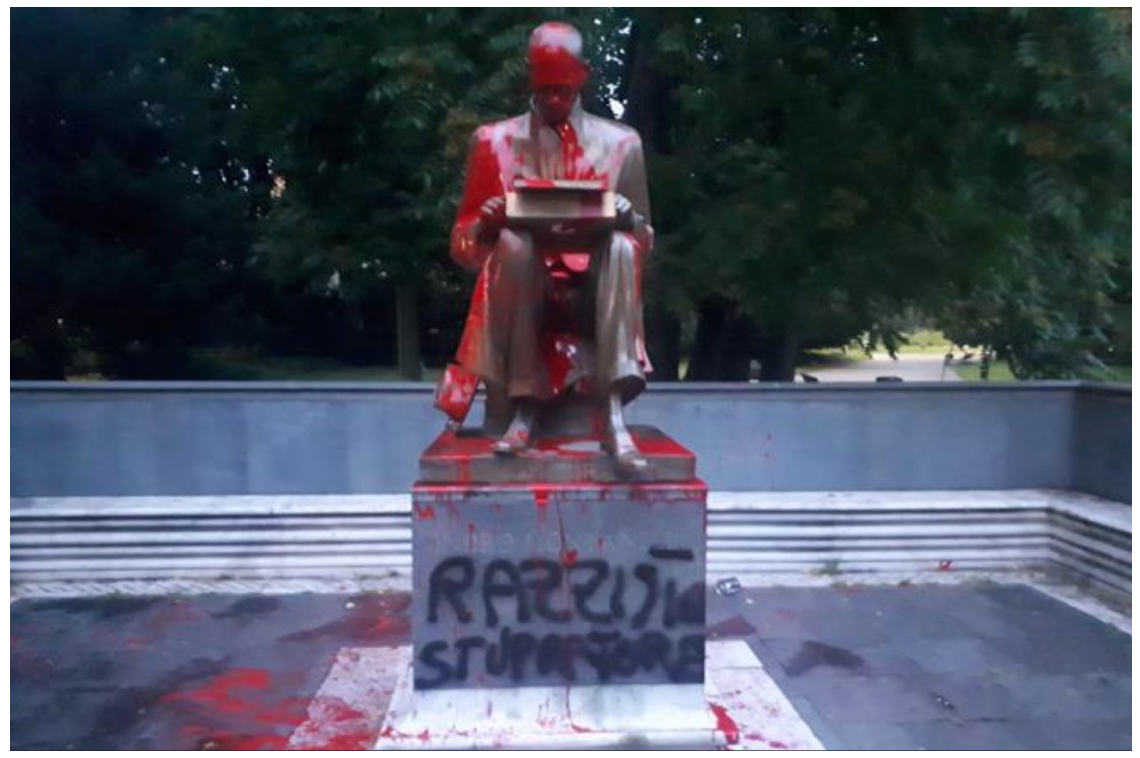
Figure 1. “Indro Montanelli, imbrattata la statua a Milano” (Indro Montanelli, statue smeared in Milan). Corriere della Sera, June 13, 2020 (https://www.corriere.it/cronache/20_giugno_13/indro-montanelli-statua-imbrattata-81a5c120-adad-11ea-84a7-c6d5b5b928b0.shtml). Photo: AP
June 13, Milan. The 2006 monument to Italian journalist Indro Montanelli was found covered in red paint and tagged “razzista, stupratore”: racist, rapist. The intervention targeted the statue of Montanelli and the journalist’s past as a colonial soldier in East Africa. In 1935, Montanelli bought a twelve-year-old Eritrean girl, Destà, to serve as his wife under the practice of madamismo. Montanelli never apologized. The intervention ignited public debate in Italy on racism and public monuments, bringing the country popularly known for apathy toward its colonial and fascist histories, pervasive associated monuments and street names into renewed transatlantic debates on these topics. Four days prior, Italian-Somali writer Igiaba Scego, writing on anti-Black racism, Black Lives Matter, and monument debates in the United States and Europe in the Italian weekly Internazionale, made a call for Italy to confront the “uncomfortable traces of our past.” Citing an earlier intervention at the Montanelli monument in 2019, Scego noted the absent memorialization of Destà: “It would be nice if someone, whether a street artist or a municipality, dedicated a statue, a drawing, a memory to that distant child” (trans. Bick). Street artists and activists responded (Figs. 2–3). Cities did not. The Montanelli monument was cleaned and, by mayoral decision, remains in place.
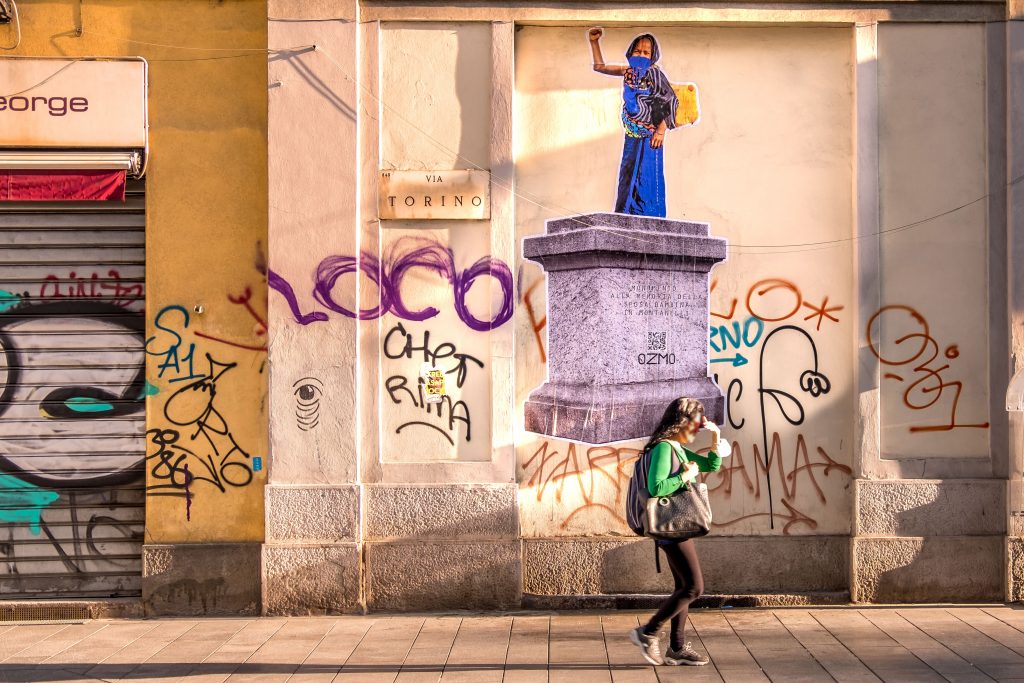
Figure 2. In Milan, Italian street artist Ozmo’s mural depicts a fictional monument to Destà, the Eritrean child “bride” of Indro Montanelli, when the famous journalist was a colonial soldier. Working specifically in response to Igiaba Scego’s call, the artist used a photo of a contemporary Eritrean girl of approximately the same age as Destà upon her “marriage,” to stand defiantly in place of Montanelli on the base of his monument, relabeled in memory to “Montanelli’s child bride” (IG @ozmone, June 15). The mural was vandalized within two days. Inkjet on blueback paper, measurements to site (dimensioni ambientali). Photo by Gianfranco Candida, @wallsofmilano. Courtesy of Ozmo.
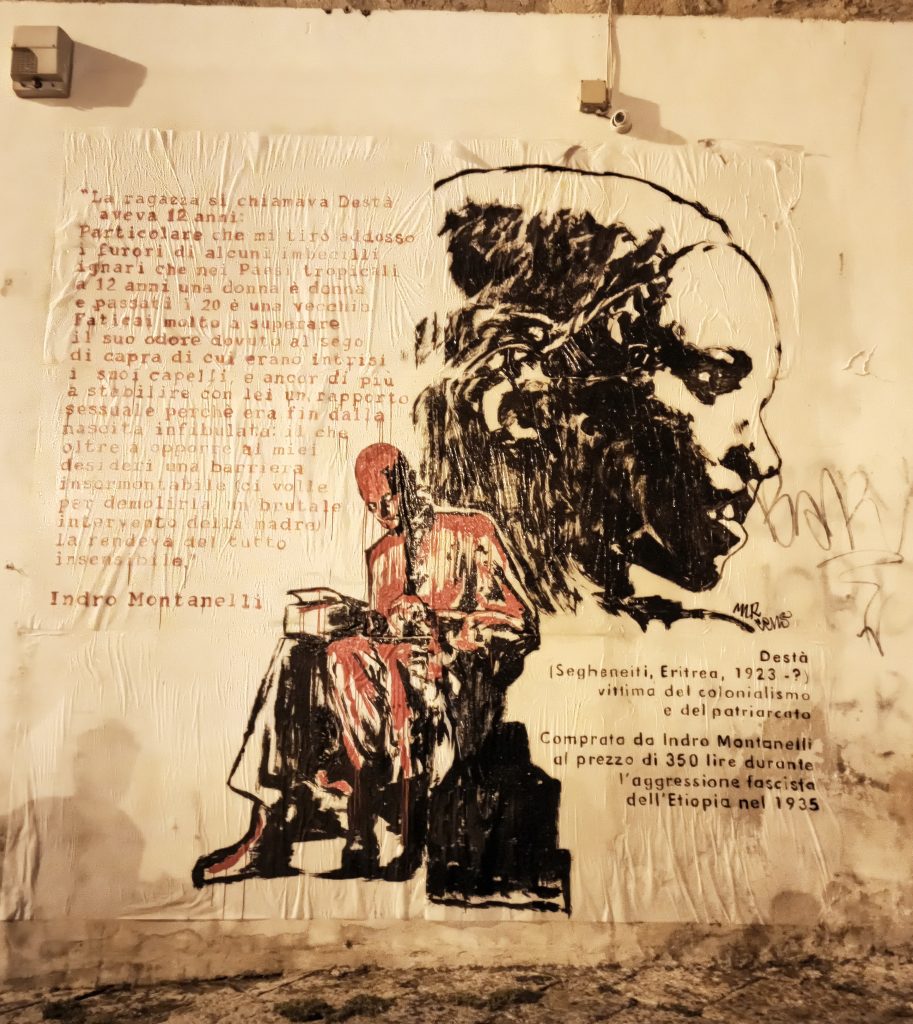
Figure 3. In Palermo, artists Mr. Cens, Betty Macaluso, and Ulrike conceived the mural depicting the vandalized monument to Montanelli and a portrait of Destà. Mr. Cens executed the large public mural. Acrylic on tissue paper, 9.8 x 9.8 ft. (3 x 3 m). Palermo, June 16, 2020. Courtesy of Mr. Cens. The mural builds upon a 2018 work by Wu Ming 2 (Giovanni Cattabriga) and Palermo-based artist collective Fare Ala (Luca Cinquemani, Andrea Di Gangi, Roberto Romano), Viva Menilicchi!, which temporarily renamed via Montanelli “via Destà.”
One of the first hotspots in the COVID-19 pandemic, Italy was then emerging from a three-month lockdown. During that time, Italian museums (public and private) became leaders in innovative arts programming for a pandemic-era world. The Museo Madre launched an #iorestoacasa “call to action” campaign, publishing artists’ responses to the pandemic online; the Galleria Nazionale d’Arte Moderna invited and posted videos about its permanent collection; the Fondazione Prada produced podcasts and alternative exhibition encounters through its #innerviews and #outerviews programs, using social media as a “laboratory” for “new formats and codes” (@FondazionePrada, Mar. 18). This innovation has since extended to safety technology. Florence’s Museo dell’Opera del Duomo introduced wearable sensors to ensure social distancing—technology subsequently implemented by institutions of Italian art outside of Italy. Magazzino Italian Art Foundation (New York) is the first museum in the United States to use the technology, reopening with Homemade (cur. Vittorio Calabrese with Chiara Mannarino), an exhibition of work made during the pandemic by New-York-based Italian artists.
While the Montanelli debate coincided with a moment of reckoning for institutions in the United States and Western Europe, the overwhelming majority of art museums in Italy have not announced such programming, policy changes, or statements of solidarity. This inattention is not due to a lack of anti-racist social justice activism in Italy (Black Lives Matter Roma, Neri Italiani, the Stati Popolari movement, among others), nor is it due to an absence of Black Italians in Italian popular culture, especially in literature (Scego), cinema (Fred Kuwornu, Amin Nour), and music (Ghali).
A few exceptions demonstrate the potential for institutionally supported, sustained, collaborative programs to counter anti-Black racism in Italy. The Uffizi has partnered with Black Lives Matter Florence on a series of virtual programs to address “the presence of black culture in European art, told through the works of the Gallerie degli Uffizi” (https://www.uffizi.it/video-storie/black-presence). Organized by Justin Randolph Thompson, co-founder and director of Black History Month Florence (BHMF), in collaboration and partnership with the Uffizi as part of their On Being Present program, the eight-week series entitled “Black Presence” debuted July 4th with Thompson’s video discussion of a Piero di Cosimo work and continues with concerts and video tours on representations of Black Africans in Renaissance art. MAXXI, one of Italy’s major contemporary museums, launched a short-lived social media initiative: #MAXXIforblacklivesmatter. The campaign “aims in raising awareness and consciousness of the @blklivesmatter movement through art” (@museomaxxi). With eighteen tagged Instagram posts (most recently dated June 17), the museum posted images of BLM protests in Italy and works by African and African diaspora artists Robin Rhode, John Akomfrah, and Yinka Shonibare from MAXXI’s 2018–19 exhibitions. The initiative was highlighted on June 12 by Italian-Haitian-Ghanaian cultural curator and Griot founder Johanne Affricot in an essay for Artribune as a “necessary” if late action amidst the generally delayed response from arts and culture in Italy to BLM in comparison to the global context (“Black Lives Matter ma non in Italia. Il ritardo dell’arte e della cultura nel paese,” June 12). Program information is notably no longer available on MAXXI’s bio.
Beyond these varied efforts, Black artists have been included in major museum and gallery exhibitions, and Black curators have curated exhibitions at prominent museums, but these figures are almost always non-Italian artists and art workers. While Italy is becoming increasingly multi-ethnic (and multi-racial), the country does not track ethno-racial statistics (Reynolds 2018, BBC; Ambrosetti and Cela 2015). Instead, citizenship and place of birth serve as “proxies” for race and ethnicity (Ambrosetti and Cela 2015). This is one of many reasons—from racial laws under fascism to renewed racism in response to cross-Mediterranean migration—why Blackness in Italy is most associated with foreign identity (with populations of African migrants, immigrants, and residents) rather than with Italian identity as well.
Two Afro-Italian artists—Jem Perucchini (b. 1995) and Luigi Christopher Veggetti Kanku (b. 1979), both based in Milan—are making inroads that might change that. Perucchini made a series of portraits of Black Italians in history for Vogue Italia during Black History Month (see Jordan Anderson, Mar. 12, 2020) (Fig. 4).
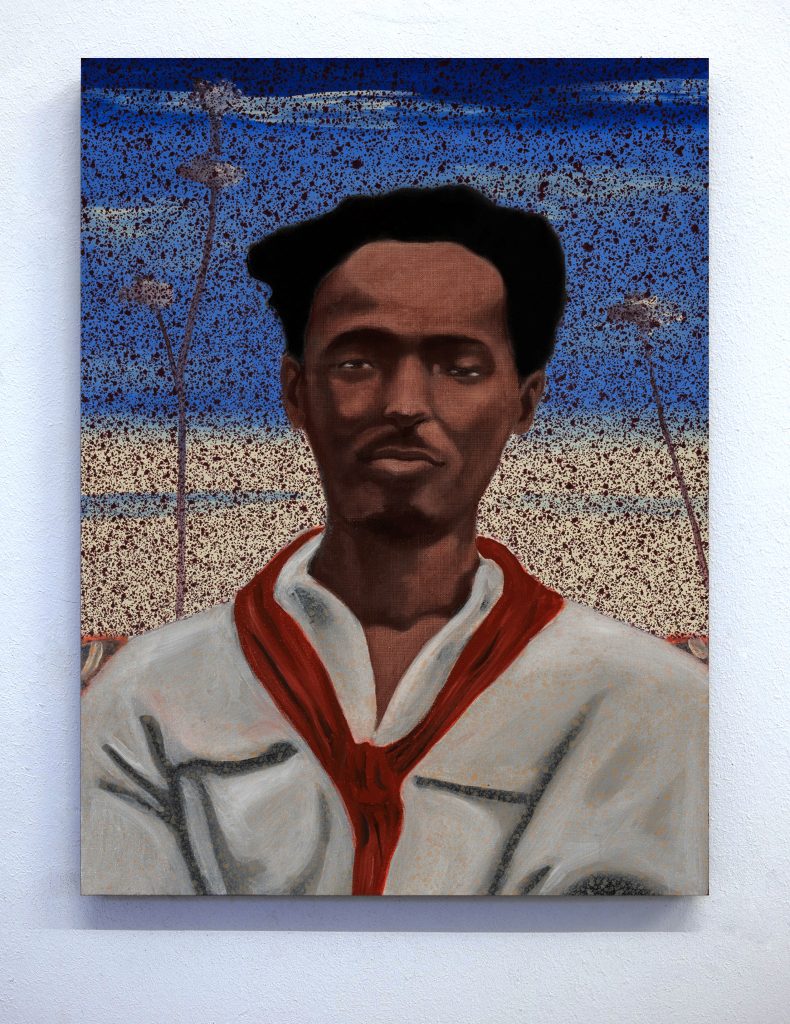
Figure 4. Jem Perucchini’s Alessandro Sinigaglia (2020) depicts a little-known Black, Jewish Italian member of Italy’s anti-fascist resistance during World War II. Oil on linen, 15.75 x 12 in. (40 x 30 cm). Courtesy of Jem Perucchini.
Harper’sBazaarTV followed with a “visual interview” in mid-July. When asked “What colour is your world, these days?” the Ethiopian-Italian artist responded: “Certainly my world now is black in color. I think it is the color that is most suited to represent the situation that the whole world is experiencing, in terms of sanitary, economic, social problems” (interview by Laura Taccari, trans. Bick). At the end of lockdown, Perucchini had completed a large painting of the Stele of Axum: the ancient obelisk that Italy returned to Ethiopia in 2005, nearly seventy years after stealing it as war spoils (Zoom interview with Bick, Fig. 5).
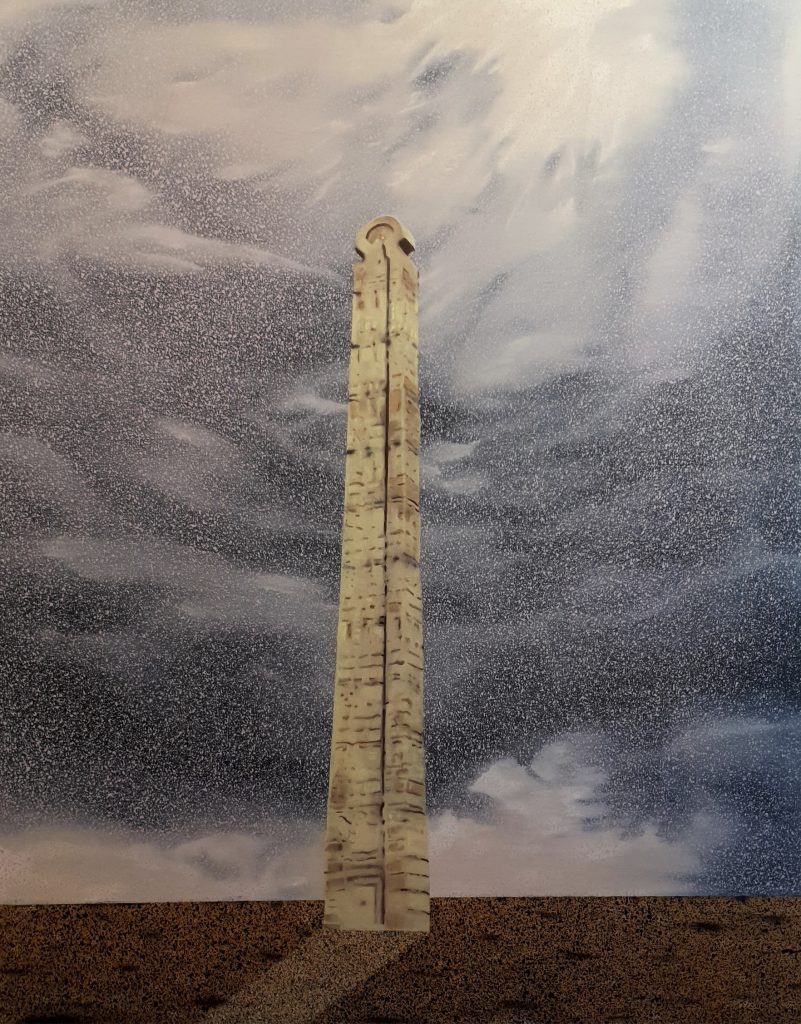
Figure 5. Jem Perucchini, Axum, 2020. Oil on linen, 55 x 43 in. (140 x 110 cm). Courtesy of Jem Perucchini. Completed during the lockdown, Perucchini’s Axum depicts the fourth-century stele that was taken as war spoils during Italy’s second colonial invasion of Ethiopia. The stele remained on display in Rome for nearly seventy years.
Veggetti Kanku (represented by Galleria Rubin, Milan) has confronted the institutional and cultural marginalization of Black people in Italy directly. In late June, the Congolese-Italian artist held a soft opening of a new exhibition space in Milan’s center for Afro-Italian artists (Zoom interview with Bick, Jun. 29). Entitled The Office, the evenings-and-weekends-only arts space is a legal office during regular business hours. Veggetti Kanku’s monumental portraits of Black women (Fig. 6), intended to bring Black figures into (white) Italian bourgeois homes (Griot, Mar. 25; Zoom interview with Bick), hang in the space, to be inaugurated this fall with his solo show SOTTOPELLE: “A show dedicated to black women, inclusive of social status, a show that destabilizes and puts up for discussion the canons of strictly Western beauty in an ever-increasing multi-ethnic Italian reality” (Veggetti Kanku, email correspondence with the author, July 16, trans. Bick).
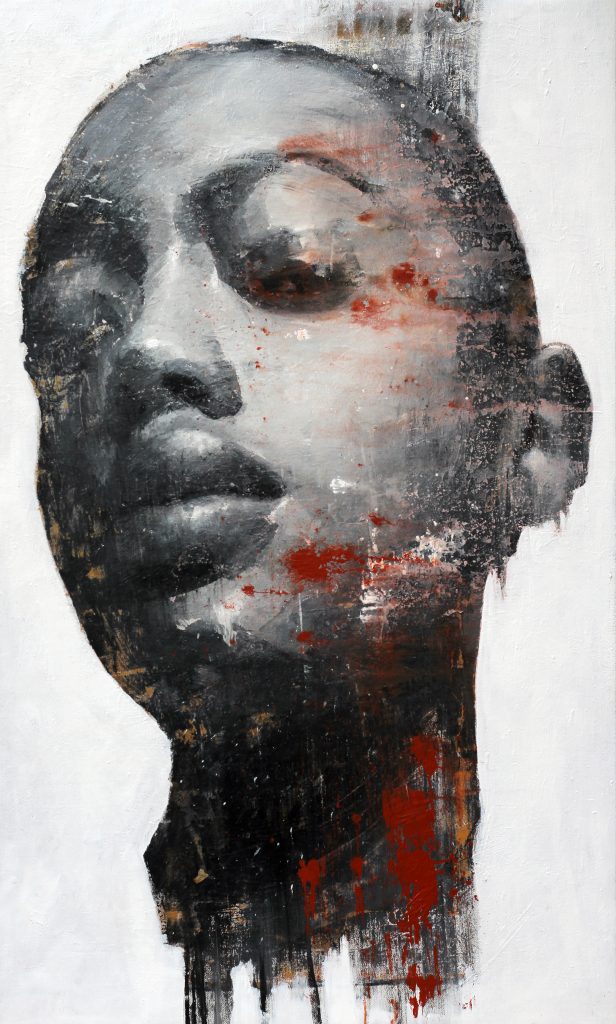
Figure 6. Luigi Christopher Veggetti Kanku, Untitled, 2020. Oil and acrylic on canvas, 65 x 39 in. (165 x 100 cm). Veggetti Kanku’s monumental portraits of Black women will be exhibited in his solo show, SOTTOPELLE (UNDERSKIN) at his new space for Afro-Italian artists, The Office, located in the center of Milan.
The museum complex now perhaps most directly engaged with Italy’s colonial history, the Museo delle Civiltà (home to Italy’s national ethnographic museum and partial repository of Italy’s colonial collection, formerly at the Museo Coloniale di Roma and various iterations that followed), has announced plans for a new museum (in development since 2017) dedicated to Italian colonialism in Africa (including postcolonial periods and an engagement with contemporary art): the Museo Italo-Africano Ilaria Alpi, to open in 2023. (See Scego, and Giulia Grechi and Viviana Gravano’s interview with colonial collections’ curator and cultural anthropologist Rosa Anna Di Lella in Roots–Routes). As Italy begins to address the presentness of its colonial past, the absence of Black Italian artists in Italy’s museums and galleries persists. What might a Perucchini or Veggetti Kanku exhibition look like at MAXXI or the Galleria Nazionale? What might happen if the innovation of Italian arts programming and centrality of the arts to Italian identity made space for the multi-ethnicity of Italy today? It remains to be seen if and how the country’s art museums and galleries—leaders in arts programming in many ways—will address racial inequity in their own collections.
In Memoriam: Richard Brettell
posted by CAA — August 11, 2020
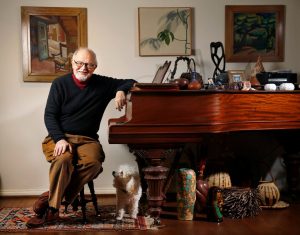
Dr. Richard (Rick) Brettell.
We were saddened to learn of the passing of longtime CAA member Dr. Richard Brettell last month at the age of 71. Dr. Brettell was a tireless advocate for the arts, a well-respected scholar, former director of the Dallas Museum of Art, and founding director of the Edith O’Donnell Institute of Art History at the University of Texas, Dallas. Read an remembrance by Jonathan D. Katz, Interim Director, Gender, Sexuality and Women’s Studies and Associate Professor of Practice in the History of Art at the University of Pennsylvania, below.
In Memoriam
Richard (Rick) Brettell died July 24, 2020 in Dallas after a long battle with prostate cancer—and entirely characteristically, he was working until the very end. A tireless advocate for the arts in general, for French Impressionism in particular and for Texas artists and the local cultural scene, Brettell spanned genres, chronologies, nationalities and professions with an acrobatic grace. He was a world class scholar, a museum director and builder, and above all a connector, of people to ideas, of money to institutions, of museums in France to museums in the US, of friends to other friends. Seemingly limitless in his capacity to extend friendship and take it up again, I’m sure there are legions out there who think Rick was their best friend. A man of sure and independent judgment, Brettell was as thrilled to bring attention to an underknown or even unsung artist as he was to Gauguin, and approached both with the same profound curiosity and boosterism.
A graduate of Yale University, Brettell’s dissertation on Pissarro set the pattern for the rest of his life. Once he became interested in something, he would not only write about it, he’d also work up an exhibition spotlighting it—in this case, the very first international Pissarro exhibition, curated when he was still quite young. He turned his enthusiasms into scholarship with a speed and assurance that suggested he saw no difference between the two modes. And the goal was always the same, to kindle the viewer’s own enthusiasm, to seduce close looking and careful thought and make art history, art criticism, and art appreciation one and the same.
Initially hired as a professor at the University of Texas, in 1980 Brettell left Texas to become the Searle Curator of European Painting at the Art Institute of Chicago. Renovating and reinstalling the Art Institute’s vast European art collection hardly impeded the string of notable international exhibitions he curated, most centrally the one that earned him the honor of being named a Chevalier (Arts et Lettres) by the French government: A Day in the Country, Impressionism and the French Landscape. Because Brettell traveled in some of the most rarified circles in the country, his genuine friendships with some of the country’s wealthiest citizens made him a rainmaker in a class by himself. When he was a curator at the Art Institute of Chicago and I was still a grad student, I remember visiting him at the museum to ask about the whereabouts of a specific Gauguin painting, the subject of a paper I was assigned. Rick reached down to the safe at his feet, opened it, pulled it out and nonchalantly asked, “this one?”
In 1988, Brettell moved to Dallas to become the McDermott Director of the Dallas Museum of Art. There he continued to develop important international exhibitions—including a new emphasis on the arts of Latin America and Africa—while also raising the funds to build a major new wing. In 1998, Brettell became the Margaret McDermott Distinguished Chair in Art and Aesthetic Studies at the University of Texas, Dallas (UTD). He would soon transform UTD, bringing in such transformational gifts as a huge endowment to build the Edith O’Donnell Institute of Art History. With the assistance of Margaret McDermott, in 2017 Brettell created a $150,000 bi-annual lifetime achievement in the arts award, The Richard Brettell Award in the Arts. The following year, he acquired the Barrett collection of Swiss art for UTD, consisting of 400 works, including a large percentage by the Swiss 19th/early 20th-century master Ferdinand Hodler. And last year, he helped UTD acquire the extensive Crow Collection of Asian Art, along with 23 million dollars to build a new museum, the second for the collection, on campus. A lifelong student of architecture, he helped to found the Dallas Architecture Forum. Many doubtless fondly remember his loud, enthusiastic, no holds barred architecture tours, where he would alternately vigorously praise and vehemently excoriate architects, and the houses and institutions they built.
Brettell was the author of numerous books and catalogs, including the editor of the forthcoming Gauguin catalogue raisonné. As a leading international specialist in French art history, he joined forces with his friend Elizabeth Rohatyn, then the wife of the Ambassador to France under Clinton, and Françoise Cachin, former Director of the French National Museums, to found an organization called FRAME (French/Regional/American Museum Exchange). He directed this project in cultural diplomacy bringing together twelve French and twelve American museums to cooperatively share works and develop exhibitions. For this effort, he was named a Commandeur in the French Order of Arts et Lettres. For decades, Brettell was loyally assisted by Pierrette Lacour, who shared his grand visions, but was rather more attentive to the nuts and bolts work of bringing them about.
Immensely erudite, opinionated, and frank, Brettell would assert that fame was no barometer of quality. He loved complicated, intelligent work regardless of the artist’s standing. He boosted Texas artists in general, and none more so than James Magee, an artist he frequently called the most underrated in the country. He was central to the ongoing effort to protect Magee’s extraordinary project in the desert outside of El Paso, The Hill, a hand-built mytho-poetic compound that has taken the bulk of Magee’s artistic life.
A famous raconteur, fabulous cook, witty tour guide, emotional lover of beauty and gossip, Brettell was roundly adored. He leaves behind his wife Caroline, his 94 year-old mother, his assistant Pierrette, and legions on every continent who basked, however briefly, in the warmth of his attention. A celebration of his life will be held at a later date. But those who wish to remember Brettell are encouraged to make donations to the University of Texas at Dallas’ Richard Robson Brettell Reading Room in the future UTD Athenaeum, which Brettell helped conceive.
Remembrance by Jonathan D. Katz.
You’re Invited: Envisioning the Future of Higher Education in the Arts
posted by CAA — August 03, 2020
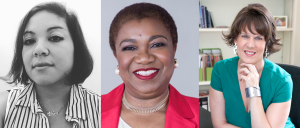
From left to right: Natalia Nakazawa, Meme Omogbai, and Deborah Obalil.
Tuesday, August 18, 2020
2 PM – 3:15 PM (ET)
RSVP HERE
Hosted by Art World Conference
Facilitator: Natalia Nakazawa, Artist, Arts Administrator, and Educator
Participants: Deborah Obalil, President and Executive Director of AICAD; Meme Omogbai, Executive Director and CEO of CAA
In 2020, colleges and universities across the world have rushed to adapt to a new reality that questions the very nature of their work: a pandemic sent students home and protests shone a spotlight on inequality supported by many of our institutions, including those in higher education. Since March, everyone involved in education has had to rethink fundamentals and challenge core assumptions ranging from the format of instruction to what and who creates value. Since arts education is historically vulnerable to funding cuts and much of the instruction relies on hands-on studio classes, specialized equipment, in-person mentorship, and tuition dollars, the systemic changes necessary to thrive require radical, ethical thinking. What are the responsibilities and priorities being considered going into this exceptional academic year?
Artist and educator Natalia Nakazawa will facilitate a discussion between two important leaders in arts education: Deborah Obalil, the President and Executive Director of the Association of Independent Colleges of Art and Design (AICAD), and Meme Omogbai, the Executive Director and CEO of the College Art Association (CAA). Both institutions support and advocate for artists, arts workers, and scholars in the art and design fields. Together, they will discuss the evolving paths forward for higher education in the arts, including structural changes and very significant challenges. What is the role of higher education in times of crisis? Since creativity is nurtured by the institutions they oversee, what are the creative solutions being implemented to address health concerns, anti-racism efforts, adjunct culture, and affordability? What are their hopes and expectations for the future?
This 75-minute webinar is designed with everyone in the art world from current students to artists, arts administrators, and art historians in mind. Questions submitted during registration will be incorporated into the discussion as appropriate.
PARTICIPANT BIOGRAPHIES
Natalia Nakazawa is a Queens-based interdisciplinary artist working across the mediums of painting, textiles, and social practice. Utilizing strategies drawn from a range of experiences in the fields of education, arts administration, and community activism, Nakazawa negotiates spaces between institutions and individuals, often inviting participation and collective imagining. She has held the position of Assistant Director of EFA Studios for over 8 years, supporting a large network of contemporary artists through subsidized studio spaces and professional practice opportunities in midtown Manhattan. Nakazawa received her MFA in studio practice from California College of the Arts, a MSEd from Queens College, and a BFA in painting from the Rhode Island School of Design. Her work has recently been exhibited at Wave Hill (Bronx, NY), Arlington Arts Center (Washington, DC), Transmitter Gallery (Brooklyn, NY), Wassaic Project (Wassaic, NY), The Old Stone House in Brooklyn (Brooklyn, NY), and The Metropolitan Museum of Art (New York, NY). Nakazawa has been an artist-in-residence at MASS MoCA, SPACE on Ryder Farm, The Children’s Museum of Manhattan, and Wassaic Project. She teaches at CUNY.
Deborah Obalil has over twenty years experience as a leader in the national arts and culture industry. She was appointed the Executive Director of the Association of Independent Colleges of Art & Design (AICAD) in June 2012, and then President in the fall 2015. Prior to her appointment with AICAD, Obalil operated a successful boutique arts management consulting firm, Obalil & Associates for four years. The firm provided consultation and facilitation in strategic business planning, marketing research and planning, and board development for non-profit arts organizations, independent artists of all disciplines, and creative for-profit ventures. Obalil has also served as Executive Director of the Alliance of Artists Communities and Director of Arts Marketing Center & Research at the Arts & Business Council of Chicago.
Meme Omogbai is Executive Director and CEO of College Art Association (CAA), the preeminent international support organization for professionals in the visual arts. Before joining CAA, Omogbai served as a member and past Board Chair of the New Jersey Historic Trust, one of four landmark entities dedicated to preservation of the state’s historic and cultural heritage and Montclair State University’s Advisory Board. Named one of 25 Influential Black Women in Business by The Network Journal, Meme has over 25 years of experience in corporate, government, higher education, and museum sectors. As the first American of African descent to chair the American Alliance of Museums, Omogbai led an initiative to rebrand the AAM as a global, inclusive alliance. While COO and Trustee, she spearheaded a major transformation in operating performance at the Newark Museum. During her time as Deputy Assistant Chancellor of New Jersey’s Department of Higher Education, Omogbai received Legislative acknowledgement and was recognized with the New Jersey Meritorious Service Award for her work on college affordability initiatives for families. Omogbai received her MBA from Rutgers University and holds a CPA. She did post-graduate work at Harvard University’s Executive Management Program and has earned the designation of Chartered Global Management Accountant. She studied global museum executive leadership at the J. Paul Getty Trust Museum Leadership Institute, where she also served on the faculty.
Explore RAAMP’s Resources on the CAA Website
posted by CAA — July 30, 2020

RAAMP (Resources for Academic Art Museum Professionals) has a new home! Moving forward, you can find all the resources you know and love here on our website at: collegeart.org/raamp
A project of CAA with support from the Andrew W. Mellon Foundation and the Samuel H. Kress Foundation, RAAMP aims to strengthen the educational mission of academic museums and their parent organizations by providing a publicly accessible repository of resources, online forums, and relevant news and information. RAAMP’s coffee gatherings and video practica cover a wide variety of topics including advocacy, engagement, curricula building, cross-disciplinary collaboration, technology, development, and censorship.
To receive updates and invitations to upcoming RAAMP programming, sign up for the RAAMP mailing list.
For any questions regarding the RAAMP program, please contact Cali Buckley, grants and special programs manager, at: cbuckley@collegeart.org
Meet the 2020 Recipients of Terra Foundation for American Art Research Travel Grants
posted by CAA — July 13, 2020
Last year we announced our administration of the Terra Foundation for American Art Research Travel Grants, providing support to doctoral, postdoctoral, and senior scholars from both the US and outside the US for research topics dedicated to the art and visual culture of the United States prior to 1980.
We’re delighted to announce twenty-four scholars have been awarded Terra Foundation for American Art Research Travel Grants in 2020.
International Research Travel Grants for US-based Scholars
Doctoral Scholars
Zoë Colón, University of Delaware, “Human-Animal Collaboration and Resilience in Modern Native American Art”
Katie Loney, University of Pittsburgh, “Lockwood de Forest, The Ahmedabad Wood Carving Company, and the Global Circulation of Luxury Goods”
Colin Young, Yale University, “Desert Places: The Visual Culture of the Prairies and Pampas across the Nineteenth Century”
Postdoctoral & Senior Scholars
Catherine Damman, Wesleyan University, “The Work of Art in the Age of Half-Hearted Reproducibility: Performance and Affective Labor in the 1970s”
Nika Elder, American University, “John Singleton Copley and The Culture of Slavery”
Patricia Hills, Boston University, “Eastman Johnson Project”
Joseph Larnerd, Drexel University, “Undercut: Rich Cut Glass in Working-Class Life during the Gilded Age”
Emily Moore, Colorado State University, “Art of the Southern Tlingit”
Dalila Scruggs, Independent Scholar, “Activism in Exile: Elizabeth Catlett as Activist and Artist in the Global Sixties”
International Research Travel Grants to the United States
Doctoral Scholars
Gabriella Beckhurst, University College of London, United Kingdom, “Leave No Trace: Environment, Identity and Affect in Artists’ Video, Photography and Performance”
Julia Berghoff, Eberhard Karls University Tübingen, Germany, “US-American Landscape Painting in the 19th Century and the Interaction of Art and Science or the Question of Environmental Awareness”
Jean Capeille, University Paris 1 Panthéon-Sorbonne, France, “Vaudeville Culture and American Experimental Art (1960–1980)”
Chloe Julius, University College of London, United Kingdom, “On the Re-emergence of an Old Category: Precursors for 1990s ‘Jewish Art’ in Postwar American Art and Criticism”
Victoria Marquez, University Paris 1 Panthéon-Sorbonne, France, “Art Exhibitions as a Diplomatic Instrument: France vs the United States in the Latin American Cultural Front”
Postdoctoral & Senior Scholars
Fiona Anderson, Newcastle University, United Kingdom, “Dog Years: Queer Solidarity, Urban Renewal, and New York’s Canine Imaginary”
Vanessa Badagliacca, Universidade Nova de Lisboa, Portugal, “Lighting up the Backstage: Heresies Journal and the Encounter with Art, Ecology and Feminism (1979-1981)”
Luca Bochicchio, University of Genoa, Italy, “Ceramic Sculpture at the End of Modernism: American and European Clay Revolution 1950s–1960s”
Sria Chatterjee, Max-Planck Kunsthistorisches Institut, Germany, “Modernist Countercultures: Cold War Ecologies of Art and Design between the United States and India”
Agustin Diez, Centro de Estudios Espigas, Argentina, “Corporeal Translations: Performance and Media as Cultural Exchange between Buenos Aires and New York, 1961 to 1978”
Jessica Gogan, Independent Scholar, Brazil, “Radical Art and Pedagogy in the 1960s and 70s: Allan Kaprow and Herbert Kohl’s Project Other Ways, Berkeley, CA, 1969”
Zhang Jian, China Academy of Art, China, “Chinese Traditional Painting and American Modern Art in the Early 20th Century: An Investigation of Some American Modern Artists and Their Worlds of Chinese Art”
Giulia Lamoni, Universidade Nova de Lisboa, Portugal, “Heresies Magazine as a Transnational Space of Connection (1977-1981)”
Stephanie Schwartz, University College of London, United Kingdom, “The Native and the National: Documentary and Fascism in the Era of the New Deal”
Monica Steinberg, University of Hong Kong, Hong Kong, “Inventing Lives: Fictional Artistic Practice in the Shadow of Cold War Hollywood”
Learn more about the Terra Foundation Research Travel Grants
RAAMP Coffee Gathering: Participatory Conversation on Reimagining Engagement in Academic Art Museums
posted by CAA — July 09, 2020
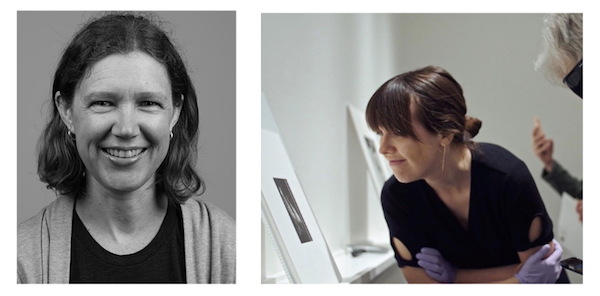
Coffee Gathering: Reimagining Engagement in Academic Art Museums
|
|
RAAMP Coffee Gatherings are monthly virtual chats aimed at giving participants an opportunity to informally discuss a topic that relates to their work as academic art museum professionals. Learn more here.
Submit to RAAMP
RAAMP (Resources for Academic Art Museum Professionals) aims to strengthen the educational mission of academic art museums by providing a publicly accessible repository of resources, online forums, and relevant news and information. Visit RAAMP to discover the newest resources and contribute.
RAAMP is a project of CAA with support from the Andrew W. Mellon Foundation and the Samuel H. Kress Foundation.
RAAMP Coffee Gathering: Gender Equity in the Museum (and Arts) Workplace
posted by CAA — June 30, 2020
Coffee Gathering: Gender Equity in the Museum (and Arts) Workplace
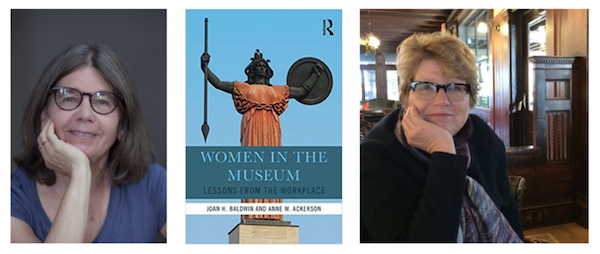
On Thursday, July 2 at 2:00 PM (EST) we will speak with Anne Ackerson and Joan Baldwin on gender equity in museums and workplaces.
To RSVP to this Coffee Gathering, please fill out this form.
A former museum director, Joan H. Baldwin is the Curator of Special Collections at The Hotchkiss School. She is the principal writer for the Leadership Matters blog which had 55,000 views in 2018. Her work has also appeared in The Museum Blog Book, “History News,” and “Museum” Magazine, Museopunks, and “The Guardian.” She is a co-founder of the Gender Equity in Museums Movement, and teaches in the Johns Hopkins University museum studies program. With Anne Ackerson, she is the co-author of Leadership Matters (2013) and Women in the Museum: Lessons from the Field (2017). She and Ackerson published a revision of Leadership Matters: Leading Museums in an Age of Discord in August 2019.
Anne W. Ackerson is a former history museum director, director of the Museum Association of New York, and director of the national Council of State Archivists. She is currently an independent consultant to cultural and educational nonprofits, specializing in leadership, governance, and management issues. With Joan H. Baldwin, she is the co-author of Leadership Matters, a book examining history museum leadership for the 21st century, and Women in the Museum: Lessons from the Workplace. She is a co-founder of the Gender Equity in Museums Movement (GEMM), which is focusing its recent efforts on education, advocacy, and policy development around pay equity, salary transparency, and sexual harassment in the museum workplace. In 2018, she and Baldwin spearheaded research, revealing that 62% of the museum workforce are affected by some form of gender discrimination. In addition to research and writing about gender inequity, she and Baldwin have presented their findings to the Texas and Pennsylvania Associations of Museums as conference keynoters and via their blog, Leadership Matters.
RAAMP Coffee Gatherings are monthly virtual chats aimed at giving participants an opportunity to informally discuss a topic that relates to their work as academic art museum professionals. Learn more here.
Submit to RAAMP
RAAMP (Resources for Academic Art Museum Professionals) aims to strengthen the educational mission of academic art museums by providing a publicly accessible repository of resources, online forums, and relevant news and information. Visit RAAMP to discover the newest resources and contribute.
RAAMP is a project of CAA with support from the Andrew W. Mellon Foundation and the Samuel H. Kress Foundation.
In Memoriam: Cynthia Navaretta
posted by CAA — June 15, 2020
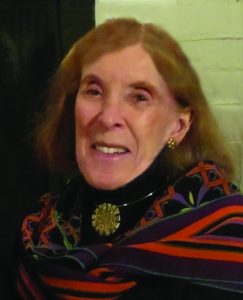
Cynthia Navaretta.
We were saddened to learn of the passing of critic, publisher, and longtime CAA member Cynthia Navaretta last month at the age of 97. An active member of the organization and a founding member of the Women’s Caucus for Art (WCA), Navaretta was founder of the feminist arts publisher Midmarch Arts Press and a tireless advocate for women artists.
A memorial in her honor will be hosted via on Sunday, September 13th, 2020, at 6pm (EST). Members interested in attending are invited to contact cyncelebration@gmail.com to receive information and a link closer to the event. Readers are also invited to post comments and pictures about her life on a newly created Facebook page, here.
Cynthia Navaretta, art critic, curator, publisher, art collector, architectural engineer died on May 18, 2020 at 97
In her mid-twenties Cynthia Navaretta was immersed in the New York art scene from the early days of the ‘New York School’ and the influential “8th Street Club” (one of only 6 female members!) before she married Emanuel Navaretta, artist, poet, critic, professor and roommate of Franz Kline in 1950. Cynthia’s friends and neighbors in New York and Long Island (Springs in the Hamptons) included Jackson Pollack, Harold Rosenberg, Lee Krasner, Milton Resnick, Milton Avery, Franz Kline, the De Kooning’s (Elaine and Willem) Ibram Lassaw, David Smith, Phillip Pavia, Judy Chicago, Agnes Martin, Pat Passlof, Hans Hofmann, June Wayne, Susan Schwalb and a long list of other art legends.
In 1974, she was a founding steering committee member of ‘Artists Talk On Art’, the art world’s longest running panel discussion series. With her knowledge of the New York art scene, along with her professional qualifications in engineering and building, Cynthia served as a mayoral appointee to the Artists Certification Committee of the NYC Department of Cultural Affairs and later served as the public voting member of the powerful Loft Board in Manhattan for 20 years, deciding who was a bona fide artist and deserving of live-work studio space in converted factories. She was a founding member of the Women’s Caucus for Art, the Coalition of Women’s Arts Organizations, and also Women in the Arts.
She represented the United States at the 1985 UN Conference on Women in Kenya and served in similar capacities on other boards and meetings around the world including the International Festival of Women Artists, Copenhagen in 1980. She befriended many well-known African-American women artists throughout the United States. In 1995, she published the first definitive compendium of American women artists of color – Gumbo Ya Ya: Anthology of Contemporary African – American Women Artists with an introduction by Leslie King Hammond, Midmarch Arts Press.
As the founder of Midmarch Arts Press, she published numerous memoirs, guides, histories and anthologies by and about American artists, male and female including: Guide to Women’s Arts Organizations, Women Artists of the World edited by Sylvia Moore, Cindy Lyle and Cynthia Navaretta, Mutiny in the Mainstream — Talk That Changed Art (with Judy Seigal), The Heart of the Question, The Writings and Paintings of Howardena Pindell, introduction by Lowery S. Sims, Voices of Women, by Lucy Lippard, Postmodern Heretics, by Eleanor Heartney, Out of the Picture: Milton Resnick and the New York School edited and with an Introduction by Goeffey Dorfman and The First Wife’s Tale: A Memoir by Louise Strauss – Ernst, to name only a few.

Cynthia Navaretta at the National Women’s Conference in Houston 1977. Credit: Judy Seigel, via The New York Times
Her sharp mind, mixed with her organizational skills and ability to span many spheres of knowledge and personalities made her the ideal art panel planner, moderator or guest speaker. She was a beloved panel participant at College Art Association and mentored many young female artists. She was an active member of the International Art Critics Association and often traveled on their numerous trips around the world. She was also the publisher, along with photographer Judy Siegel, of the well-known Women Artist News (1978 – 1991), the first publication sent out on a regular basis covering the doings and activities of women artists; thus, publishing the first constant and continuing dialogue for women artists in the United States. A prodigious publisher, author and critic of feminist art in the United States Cynthia was one of the few who acknowledged and attracted regional and southern feminist artists whose work would otherwise most probably never have seen the light of day. Through the vehicles of Women Artist News and Midmarch Press, Cynthia was determined to document and champion many obscure female artists, offering them an exclusive avenue to introduce themselves and their work to a wider audience in the art world.
In her later years, she organized and curated her archives which were accepted by the Smithsonian Institution’s Archives of American Art. This written legacy from one of the leading feminist voices on art- is sure to be preserved, shared, and seen as a unique transcript of the American art experience.
In her ‘other’ life, Cynthia earned a master’s degree in mechanical engineering the 1940s. Returning to NYC, she was hired by the construction company Alvord & Swift. Established in 1911, Alvord became a significant contractor in the emerging specialty of HVAC design and construction. She designed and built many of the HVAC systems with Alvord & Swift for well-known skyscrapers in New York, including the famous Solow building. She also designed many of the HVAC systems at the 1964 World’s Fair in New York. During her several year’s tenure there, she had the thankless job of training and preparing no fewer than three less talented male colleagues to assume the position and prestige of Vice President. This glass ceiling was the deciding factor in her eventual resignation. At that time, she was one of approximately 400 female mechanical engineers in the United States.
Throughout her engineering career, she held a variety of ambitious, supervisory positions. These included a managerial position for the ABC Television Network when the new Lincoln Center broadcast facility was being built. She also did a stint as an AMTRAK vice president, responsible for ‘new construction’ and ‘rights of way.’ She eventually retired to devote all her time to her publishing house and friends and family. But well into her nineties she could still be seen at art openings dressed to the ninths with her walker having arrived fashionably late by bus.
Remembrance by Susan Schwalb.
An Interview with Nicole Archer, Editor-in-Chief of Art Journal Open
posted by CAA — June 15, 2020
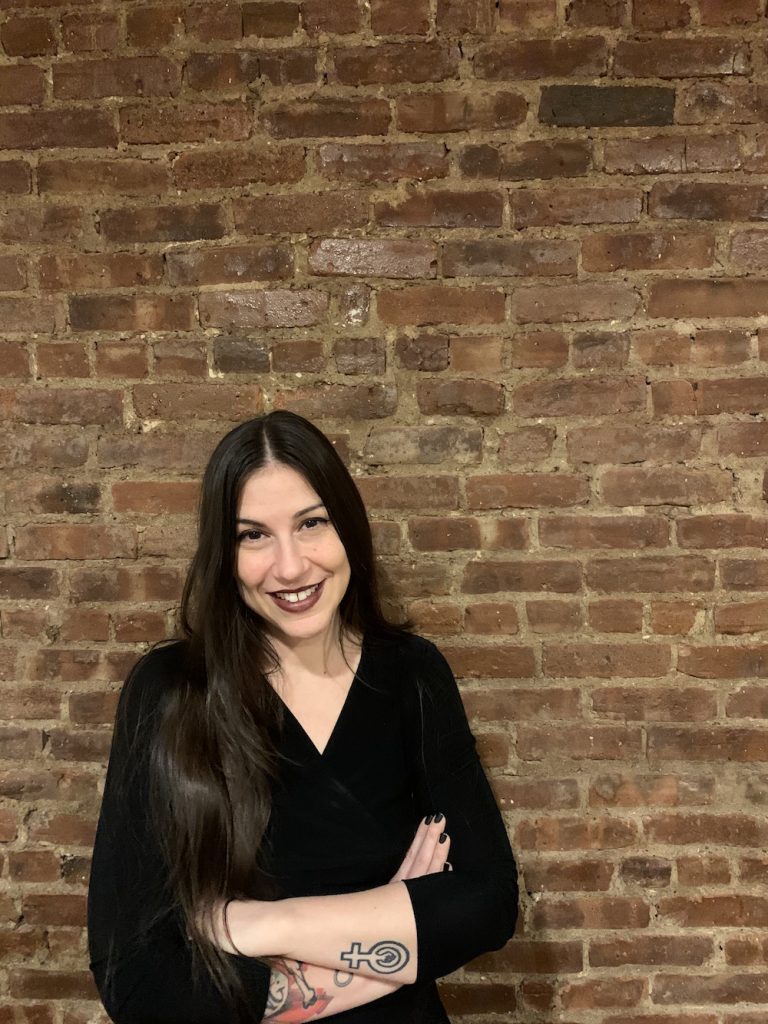
Nicole Archer.
We’re delighted to introduce readers to Nicole Archer, the current Editor-in-Chief of Art Journal Open (AJO), CAA’s online forum for the visual arts that presents artists’ projects, conversations and interviews, scholarly essays, and other forms of content from across the cultural field. Founded in 2012 as an open-access affiliate of Art Journal, Art Journal Open has been independently edited since 2014. It remains open access and is always free to explore.
Nicole Archer researches contemporary art and design, with an emphasis in textile and garment histories. She is an Assistant Professor in the Department of Art and Design at Montclair State University, where she extends this research through a teaching practice that encourages students to explore politics and aesthetics via close examinations of style, embodiment, and desire.
Amidst the end of the academic year, we corresponded with her over email to learn more about her research, her thoughts on the impact of COVID-19, and her aspirations for Art Journal Open.
Where are you from originally?
I was born in Brooklyn and raised mainly in South Florida, but I spent most of my adult life in San Francisco. In 2018, I returned to New York City.
What pathways led you to the work you do now?
My path has been shaped by a long line of committed feminist art historians, theorists, and activists who have inspired me to pursue work that is wildly curious, ethically responsible, and politically committed to issues of social justice. This, coupled with the fact that I started my college career in the mid-1990s, when the field of Visual Studies was demanding that Art History be held accountable for the role it played in supporting certain cultural hegemonies. It was a time when we were recognizing the benefit that many art historical methods could bring to critical cultural studies (and vice versa).
When did you first become a CAA member?
I have been a CAA member since 2011, but I was an avid reader of Art Journal and The Art Bulletin long before that (thanks to my library access).
What are you working on or thinking about currently?
I am currently finishing a book manuscript that considers how textiles (our key mediums of comfort and security) have been strategically manipulated over the last two decades to aid in the systematic reshaping of what constitutes “legitimate” versus “illegitimate” forms of state violence. The book tells interwoven, materially grounded stories regarding global arts and design practice, on the one hand, and military, police, and governmental action, on the other, to theorize how feelings of insecurity are produced, aesthetically.
What are your thoughts on the impact of COVID-19 on the work you do? On the field?
I think the current pandemic makes two things particularly clear. First, it highlights the important role that art and design can play in helping a society understand (and bear) emergent and acutely difficult circumstances. From movie marathons, artist talks, and book readings that we have enjoyed during our nights spent ‘sheltering in place,’ to the protest banners, photographs, and balcony performances that have led our communities towards acts of collective care and solidarity with one another.
Second, COVID-19 puts the varied inequities that underwrite the field in high relief. It makes the economic precarity of so many cultural workers glaringly obvious, and it forces us to recognize how undervalued cultural work actually is. We need to ask why we have allowed the arts to become so defunded and privatized (despite the social value it clearly delivers). Calls for austerity are circulating, and we know this means further cuts to already underfunded public arts initiatives. We need to resist this and seize this moment as an opportunity to insist on our value. We need to stop undercutting ourselves and our peers, and refuse to accept the exploitation of adjunct professors and graduate student teachers. We must do this as we push against the increasingly prohibitive costs of arts education.
 What led you to be interested in working on Art Journal Open?
It is our shared responsibility, as arts and design professionals, to constantly “check” our field of practice—to find time to celebrate what we are doing well, and to redress and learn from our shortcomings. I believe this responsibility is a cornerstone of AJO’s editorial mission. Working on AJO is a unique opportunity to hold myself, and others, accountable on this front.
What is your vision for Art Journal Open during your tenure?
I hope to build on the solid foundation laid by the journal’s previous editors, and to further emphasize the open dimension of the publication’s identity—to treat “Open” as a verb, a call to action. We hope to accomplish this by leveraging the journal’s digital format, to open space for more multi-media Creative Projects, and to take advantage of our lack-of-paywall to help draw new readers to AJO and new voices to CAA.
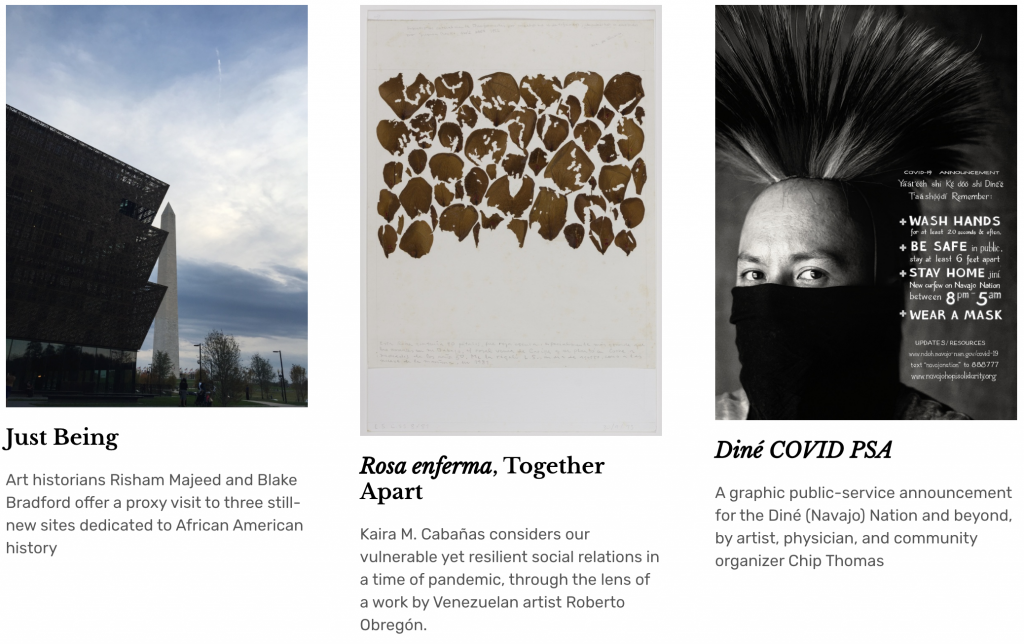
The first three pieces published after Nicole Archer fully took over as Editor-in-Chief of Art Journal Open.
What would you say is your top arts-related recommendation (book, website, resource) at the moment?
I know I am late to this, but I recently found an online radio station called NTS and it is giving me life! I miss trusting my night to a DJ, hearing a new song out of nowhere, and dancing with strangers. I am also tired of soundscapes controlled by algorithms. People should give it a listen in their studios and kitchens, and at their computers and writing desks.
View this post on Instagram
A favorite artwork?
Last year, I had the opportunity to see Sonya Clark’s Monumental Cloth, The Flag We Should Know at the Fabric Workshop and Museum in Philadelphia, and I have not been able to stop thinking about it since. Clark’s work epitomizes the important role art can play in ensuring that political discourse maintains its complexity in the face of a mediascape set on transforming these conversations into flat lines in the sand.
At the center of the exhibit was a monumental replica (15’x30’) of a white dish towel waived by Confederate troops in April 1865, before General E. Lee negotiated the terms of the Confederacy’s surrender. Displayed in a manner akin to the Star Spangled Banner (a centerpiece of the Smithsonian National Museum of American History’s collection), Monumental Cloth presented the Confederate Truce Flag as testament to a decisive moment in US history. It demanded that we ask why we do not know this flag, as a means to discuss anti-Blackness and the persistence of white supremacy in the United States. It provided a poignant, aesthetic counterstrategy to other manners of “memorializing” the Confederacy. The exhibit offered spaces of contemplation alongside opportunities for direct action—by setting-up looms that visitors could use to weave additional Truce Flag replicas, in opposition to the endless flow of commercially produced items made to bear the image of the Confederate Battle Flag.
What are you looking forward to?
Honestly, I am looking forward to the end of the Trump presidency, and to the possibility that the moment we are in could force real political and cultural change; that conversations around universal basic income and healthcare will gain traction, and that widespread recognition of the systemic racism inherent in the criminal justice system will open the door to both abolishing the prison system and defunding and demilitarizing the police that tyrannize communities of color in the US.
NICOLE ARCHER BIOGRAPHY
Nicole Archer researches contemporary art and design, with an emphasis in textile and garment histories. She is an Assistant Professor in the Department of Art and Design at Montclair State University, where she extends this research through a teaching practice that encourages students to explore politics and aesthetics via close examinations of style, embodiment, and desire.
Her work has been published in various journals, edited collections, and arts publications, including: Criticism: A Quarterly Journal for Literature and the Arts; Textile: The Journal of Cloth and Culture; Trap Door: Trans Cultural Production and the Politics of Visibility (published by the New Museum + MIT Press); Where are the Tiny Revolts? (published by the CCA Wattis Institute for Contemporary Arts + Sternberg Press); Women and Performance: A Journal of Feminist Theory.
CAA Solidarity Statement
posted by CAA — June 05, 2020
The College Art Association (CAA) condemns all forms of systemic racism, violence, bias, aggression and the marginalization of Black, Indigenous, and all Peoples of Color (BIPOC) as well as discrimination based on race, intersectionality, ethnicity, and socioeconomic status. As a community of those who study, teach, write about, advocate for and/or create art and design, we have committed our life’s work to learning-from, exploring-with, and creating-towards our shared humanity. As a membership organization we choose to use our voices to speak to one another and speak up for one another.
To ensure lasting change:
- We encourage the creative community to examine biases, micro-aggressions, and who we leave out.
- We encourage learning from sharing narratives of BIPOC.
- We encourage providing services and support for underrepresented and entirely non-represented members of the community.
- We will work to create and promote standards and systems that actively support equity in anti-racist teaching, research, publication and creative practices.
In solidarity, CAA, its board, and its staff continue to amplify equity, diversity, and inclusion and call our community to action with us in this commitment to change.
CAA Values Statement on Diversity and Inclusion
For additional resources see the Committee on Diversity Practices as well as resources shared via CAA News, Twitter, Instagram, and Facebook.